
Southeast Asia remains one of the most affordable and adventurous regions in the world for travelers. With a mix of vibrant cities, pristine beaches, ancient temples, and mouthwatering street food, it’s no wonder budget-conscious travelers keep coming back.
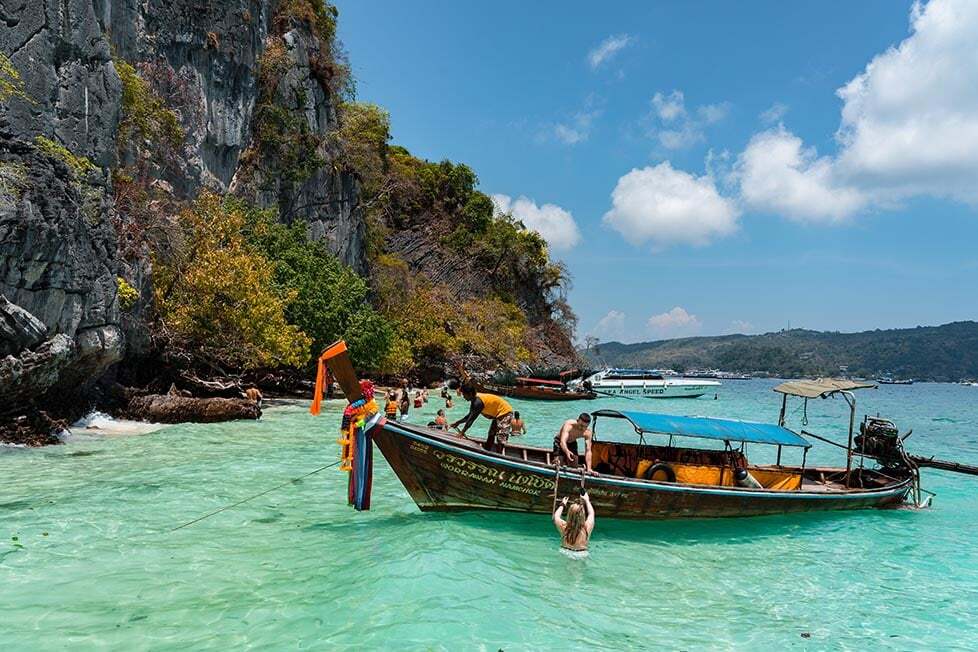
But in 2025, costs are rising in some parts of the region, and travel trends are evolving. Whether you’re backpacking through Vietnam or working remotely from Bali, you’ll want to stretch your money further—without sacrificing experiences.
Here are the smartest budget travel hacks for exploring Southeast Asia this year.
1. Choose Your Destinations Wisely
Not all countries in Southeast Asia are equally priced. Knowing where your money goes furthest is the first step.
Most Budget-Friendly Countries:
Vietnam: Cheap transport, food, and hostels. Great value across the board.
Cambodia: $1 street meals and $5 dorms make it ultra-affordable.
Laos: Beautiful, peaceful, and very budget-friendly for slow travelers.
Indonesia (outside Bali): Java, Sumatra, and Flores are far cheaper than tourist-heavy Bali.
Pricier (but still manageable):
Singapore and Malaysia: More developed, but you can save with local food and public transport.
Thailand: Still affordable, but costs are higher in Chiang Mai and the islands compared to lesser-known provinces.
2. Travel in the Shoulder Season
Avoiding peak season (December–February) can save you a lot of money—and stress.
Travel Instead:
March–May (pre-monsoon): Hot but dry, with lower prices.
September–early November: After monsoon rains but before crowds return.
Benefits:
Discounts on hotels, tours, and transportation.
Easier to bargain and find last-minute deals.
Fewer crowds at popular sights.
Tip: Always check local weather patterns—monsoons vary by region.
3. Use Budget Airlines and Overland Routes
Southeast Asia is a hotspot for low-cost flights and scenic bus or train journeys.
Airfare Hacks:
Use local budget carriers like AirAsia, Scoot, Nok Air, and Batik Air.
Book in advance or during flash sales (often found on airline apps).
Travel with carry-on only to avoid extra luggage fees.
Overland Travel:
Overnight buses and sleeper trains save both time and money on accommodation.
Minivans and tuk-tuks are often cheaper for short distances—always agree on price beforehand.
Bonus Hack: Cross borders by land (e.g., Thailand to Cambodia) to save on international airfare.
4. Eat Like a Local (It’s the Best Food Anyway)
Southeast Asia is famous for its street food, and it’s also the cheapest way to eat well.
What to Try:
Thailand: Pad Thai, som tum (green papaya salad), boat noodles.
Vietnam: Pho, banh mi, fresh spring rolls.
Malaysia: Nasi lemak, roti canai, satay.
Indonesia: Nasi goreng, mie goreng, tempeh.
Street food usually costs between $1–$3 per meal and is freshly made. Just look for busy stalls with high turnover.
Tip: Use Google Maps or GrabFood reviews to find popular stalls frequented by locals.
5. Stay Smart: Hostels, Homestays & Budget Hotels
Accommodation is one of the easiest places to cut costs without sacrificing comfort.
Where to Stay:
Hostels: Modern hostels in cities like Bangkok, Hanoi, and Siem Reap offer Wi-Fi, air-con, and coworking spaces for $5–$15 per night.
Guesthouses & Homestays: In rural areas, family-run stays are both cultural and affordable.
Budget hotels: Apps like Agoda, Booking.com, and Traveloka offer great last-minute deals.
Extra Savings: Many hostels offer free breakfast, bike rentals, or city tours—take advantage!
6. Use Local Apps to Save Big
Your phone is your best travel tool. Use local apps to find deals, book transport, and avoid overpaying.
Must-Have Apps:
Grab (Southeast Asia’s Uber): For cheap and safe transport.
12Go Asia: For booking buses, trains, and ferries.
Klook or GetYourGuide: Discounted tours and attraction tickets.
Agoda / Traveloka: Last-minute hotel deals.
Wise or Revolut: Avoid ATM and exchange fees with multi-currency debit cards.
7. Bargain (Politely) at Markets and Stalls
Haggling is a cultural norm in many markets—but always do it with respect.
Where It’s Expected:
Souvenir shops, night markets, tuk-tuk rides, and local tours.
Where It’s Not:
Street food stalls, chain stores, supermarkets.
Start at about 50–60% of the asking price, smile, and be willing to walk away. It’s part of the fun!
8. Avoid Tourist Traps and Hidden Fees
Some tours and activities target tourists with inflated prices or surprise charges.
How to Avoid:
Book tours through well-reviewed apps or directly from your accommodation.
Skip elephant rides or unethical animal attractions—they're bad for animals and your wallet.
Watch for extra fees at temples (robe rentals, photography charges) and always ask before agreeing to anything.
Rule of Thumb: If it feels pushy or rushed, it’s probably not worth your money.
9. Embrace Slow Travel
Fast travel = higher costs. Slow travel = deeper experience and big savings.
Why It Works:
Longer stays can get you discounts at guesthouses or Airbnbs.
You save on frequent transport and booking fees.
You have more time to cook, shop at markets, and explore off the beaten path.
Popular slow travel bases: Pai (Thailand), Hoi An (Vietnam), Ubud (Indonesia), Luang Prabang (Laos).
10. Budget Doesn’t Mean Boring
You don’t need a big budget for unforgettable experiences.
Amazing & Cheap:
Visit Angkor Wat (Cambodia) for under $40.
Rent a scooter and explore Northern Thailand for less than $10/day.
Take a Mekong River boat tour in Laos for under $25.
Sleep in a jungle treehouse in Malaysia for $15/night.
Learn to cook traditional Vietnamese dishes for $20 or less.
The truth? Some of the best travel memories come from modest budgets and spontaneous plans.
Final Thoughts: Southeast Asia on a Shoestring Is Still Possible
Even as travel prices inch upward in 2025, Southeast Asia remains a paradise for budget travelers—if you know how to navigate it. By embracing local culture, traveling smart, and slowing down, you can explore this dynamic region for a fraction of what you'd spend elsewhere.
So pack light, bring your appetite, and let the street food, sunsets, and slow trains guide you through a journey that’s as rich in experience as it is gentle on your wallet.


