
AI-Powered Patch: The First Non-Invasive Continuous Glucose Monitor for Non-Diabetics Hits Global Markets
The health landscape of 2026 has reached a definitive milestone: the "democratization of metabolic data." For decades, continuous glucose monitors (CGMs) were exclusive, life-saving tools for the diabetic community, requiring invasive sensors inserted under the skin. However, a major technological shift has occurred. The arrival of the first non-invasive, AI-powered glucose patch designed specifically for the general public marks the beginning of a new era in preventative wellness.
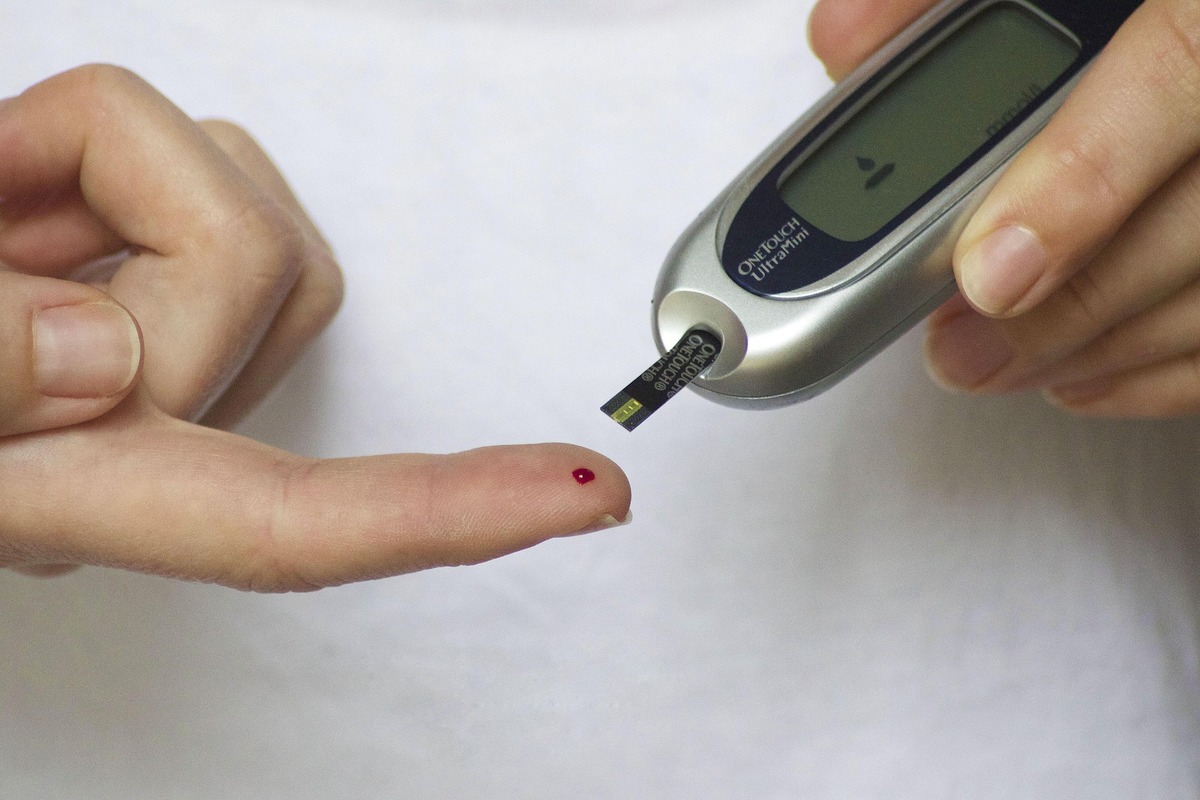
This "Metabolic Patch" is no longer just a medical device; it is the ultimate lifestyle tool for 2026. By utilizing light-based sensors and sophisticated AI algorithms, it provides real-time insights into how every meal, workout, and stressful meeting affects your internal chemistry—without a single needle.
The Breakthrough: From Needles to Photons
The core challenge of non-invasive glucose monitoring has always been accuracy. Glucose molecules are notoriously difficult to detect through the skin without direct access to interstitial fluid. In 2026, the breakthrough came from Multimodal Optical Sensing and Generative AI.
How the AI Patch Works:
Transdermal Spectroscopy: The patch uses specialized micro-emitters to send specific wavelengths of near-infrared (NIR) and Raman light into the skin. These light waves interact with glucose molecules and bounce back to a high-sensitivity sensor.
The AI Interpretation Layer: Every individual’s skin density, hydration level, and blood flow are different. This is where the AI comes in. The patch’s onboard AI processor filters out "noise" and personalizes the readings to the user’s unique biology within the first 24 hours of wear.
Sensor Fusion: The patch doesn't just measure glucose. It simultaneously tracks heart rate variability (HRV), skin temperature, and motion. By correlating these factors, the AI can distinguish between a "stress spike" (cortisol-driven) and a "sugar spike" (carb-driven), providing context that older CGMs could never offer.
Why 2026 is the Year of the "Non-Diabetic" CGM
While diabetics use CGMs for survival, the 2026 "wellness" user is looking for Optimization. The global market for non-invasive glucose monitors is projected to hit nearly $100 million this year, driven by a population that is increasingly "metabolically aware."
1. Cracking the Weight Loss Code
The weight loss industry has been transformed by real-time glucose data. Instead of following generic diets, users can see that a "healthy" oatmeal breakfast might cause a massive glucose spike and subsequent crash for one person, while another person handles it perfectly. The AI patch identifies these "glucose excursions" and suggests immediate walking breaks or food pairings (like adding fiber or protein) to flatten the curve.
2. Peak Cognitive Performance
"Brain fog" is one of the most common complaints of the modern workforce. In 2026, high-performers use the glucose patch to maintain stable blood sugar levels throughout the day. By avoiding the post-lunch "slump"—caused by reactive hypoglycemia—users can maintain high cognitive output for longer periods.
3. Early Detection of Dysglycemia
Research from early 2026 suggests that non-invasive glucose trends can identify pre-diabetic risk factors up to five years earlier than a standard fasting blood test. This allows for proactive lifestyle interventions long before a chronic condition develops.
The Travel Impact: A Game Changer for Global Explorers
For a platform like IntoTravels, the implications of the AI glucose patch for travelers are profound. Traveling often involves erratic eating schedules, unfamiliar cuisines, and disrupted sleep—all of which wreak havoc on metabolic health.
The "Jet Lag" Metabolism Fix
Studies have shown that sleep deprivation makes the body temporarily insulin-resistant. A traveler landing in a new time zone is much more likely to experience exaggerated sugar spikes. The AI patch alerts the traveler to be more cautious with carbohydrates during the first 48 hours of a trip, helping the body acclimatize faster and reducing the severity of jet lag symptoms.
Exploring Local Cuisine with Guardrails
One of the joys of travel is tasting local street food. The AI patch acts as a "Digital Concierge." It can tell a traveler in Thailand: "That Mango Sticky Rice caused a 60mg/dL spike; we recommend a 20-minute walk through the night market now to stabilize your levels." This allows for cultural indulgence without the physical "hangover" of a sugar crash.
Key Features of the 2026 AI Glucose Patch
| Feature | Description |
|---|---|
| Form Factor | Ultra-thin, transparent, and breathable adhesive patch. |
| Battery Life | 14-day continuous use (kinetic charging or wireless sync). |
| Accuracy | Near-medical grade (MARD between 11% and 14%). |
| Connectivity | Bluetooth 6.0 + Thread support for Smart Home integration. |
| Privacy | Local-first AI processing; no cloud-sync required for live data. |
The Role of AI: Beyond Just Numbers
The most significant evolution in 2026 isn't the hardware, but the Predictive AI. Older monitors told you what happened. The 2026 AI Patch tells you what is going to happen.
Meal Forecasting: By analyzing your historical response to certain foods and your current activity level, the patch can send a notification: "Based on your low activity today, that pasta dinner will likely keep your glucose elevated until 3:00 AM, disrupting your sleep. Consider a high-protein side."
Stress Alerts: The system recognizes when your glucose is rising despite you not having eaten. It identifies this as a "Stress Event" and triggers a haptic pulse on your smartwatch, suggesting a 2-minute box-breathing session to lower your cortisol.
Challenges and the Path to Ubiquity
Despite its success, the non-invasive AI patch still faces hurdles in 2026:
The Accuracy Gap: While the patch is excellent for "trends" and "wellness," it is not yet approved as a replacement for invasive monitors in Type 1 Diabetes treatment, where a 2-3% error margin can be critical.
Cost: Although prices have dropped to around $150 per month, it remains a "premium" wellness tool, creating a gap between those who can afford metabolic optimization and those who cannot.
Data Anxiety: Some psychologists warn that "constant monitoring" can lead to orthorexia or health-related anxiety in healthy individuals who become overly obsessed with minor, natural glucose fluctuations.
Conclusion: The Metabolic Renaissance
The launch of the first non-invasive AI glucose patch for the general public represents a turning point in human history. We are finally moving away from "One-Size-Fits-All" health advice and into the era of Biological Personalization.
In 2026, your metabolism is no longer a "black box." It is a transparent, manageable data stream that empowers you to eat, move, and travel with unprecedented precision. For the explorers at IntoTravels, the message is clear: The best way to see the world is with a body that is perfectly fueled for the journey.


