
Digital Wardrobes: Why Travelers are Buying "Virtual Outfits" for Their Augmented Reality Vacation Photos
For decades, the physical suitcase has been the greatest logistical hurdle of the global traveler. We have spent years perfecting the art of the "carry-on," investing in "Liquid-Silk" for wrinkle-resistance and "Self-Cleaning" fabrics to reduce bulk. But in 2026, a new trend is emerging that bypasses the physical suitcase entirely. A growing demographic of high-flyers, influencers, and digital nomads are opting for Digital Wardrobes—virtual, high-fashion outfits that exist only in the realm of Augmented Reality (AR).
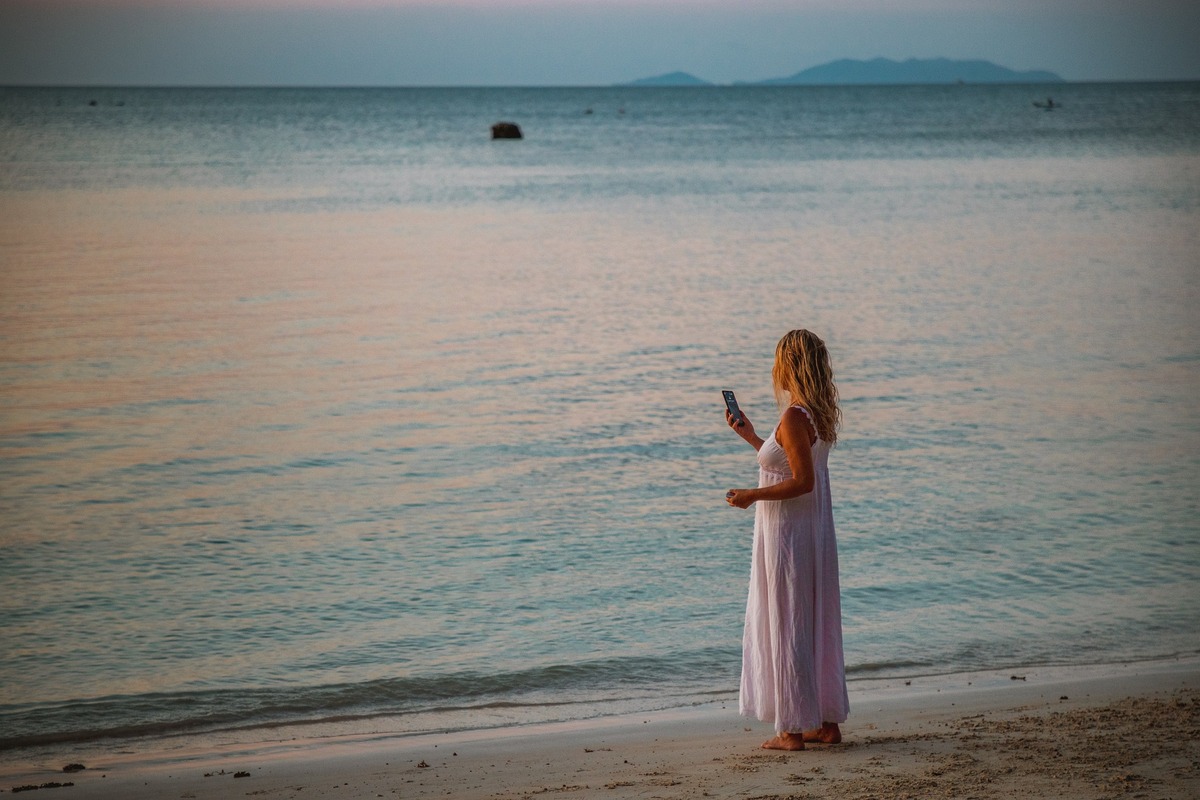
It sounds like a concept from a cyberpunk novel: you arrive at the Colosseum in Rome or a rooftop bar in Dubai wearing a simple, comfortable base layer of "Bio-Engineered Basics." You take your photos and videos, and via an AR overlay on your smartphone or smart glasses, you are instantly "wearing" a shimmering, gravity-defying couture gown or a suit made of digital light.
At Into Travels, we are exploring this fascinating intersection of fashion, technology, and travel. Here is why virtual outfits are becoming the ultimate travel "must-have" and how they are redefining the aesthetics of our vacation memories.
What is a Digital Wardrobe?
A digital wardrobe consists of Direct-to-Avatar (D2A) or AR-Overlay garments. These are high-fidelity 3D assets created by digital fashion houses using sophisticated software like CLO 3D or Unreal Engine 5.
Unlike physical clothing, digital fashion is not bound by the laws of physics. Designers can create jackets made of liquid gold, dresses that emit floating cherry blossoms, or translucent neon capes that pulse in time with the wearer’s heartbeat. Using Real-Time AR Tracking, these digital assets "lock" onto the wearer's body in a photo or video, moving naturally with their gait and reacting to the ambient lighting of the physical destination.
The Drivers of the Virtual Fashion Trend
Why would a traveler spend $50 to $500 on a garment they can never physically touch? The answer lies in the shifting nature of how we document and share our journeys.
1. The "Pack Light, Look Grand" Philosophy
The primary appeal is the elimination of physical bulk. Many travelers want to look "extraordinary" for their photos at iconic landmarks but don't want to carry a 5-pound evening gown or a fragile tuxedo across three continents. With a digital wardrobe, you can "carry" 100 high-fashion looks on a single smartphone. This allows for total minimalism in the physical world while maintaining "Maximalist Glamour" in the digital world.
2. The Rise of AR Smart Glasses
In 2026, the adoption of lightweight AR glasses has reached a tipping point. When you walk through a popular tourist district, you aren't just seeing people in t-shirts; if you are wearing AR glasses, you see a world filled with "Transitional Couture" that exists in the digital layer. Travelers are buying these outfits not just for photos, but for Real-Time Social Presence, where other AR-enabled travelers can see their virtual flair as they pass by.
3. Sustainability and "Zero-Waste" Glamour
Physical fashion is one of the world's most polluting industries. The "wear-it-once-for-the-gram" culture has led to a massive increase in textile waste. Digital fashion offers a guilt-free alternative. A virtual outfit has a carbon footprint that is nearly 95% lower than its physical counterpart. For the eco-conscious traveler at Into Travels, digital wardrobes are a way to enjoy the fantasy of high fashion without contributing to the landfill.
How Travelers Use Digital Outfits on the Move
The process of "wearing" digital fashion has become remarkably seamless in 2026. The journey from "Purchase" to "Post" typically follows three steps:
Step 1: The Base Layer Travelers wear "Neutral Bases"—sleek, form-fitting garments in solid colors (often grey or black) made from "Anti-Microbial" fabrics. These act as a "green screen" for the body, making it easier for AR software to map the virtual clothes onto the torso and limbs.
Step 2: The AR Capture Using an AR camera app (integrated into platforms like Instagram, TikTok, or specialized fashion apps), the traveler poses at their destination. The AI detects the body’s skeletal structure and "drapes" the digital garment over them. Modern lighting-estimation technology ensures the virtual fabric reflects the actual sun or streetlights of the location, making the outfit look hyper-realistic.
Step 3: The "Digital Fitting" Post-capture, the traveler can adjust the fit, color, or "animation level" of the outfit. If the wind was blowing at the beach, they can set the digital cape to flutter in the same direction, creating a perfectly synchronized memory.
The Economic Shift: Digital Luxury Houses
We are seeing the rise of a new type of luxury brand. Traditional houses like Gucci and Balenciaga have established "Digital Ateliers," but they are being challenged by digital-native brands like The Fabricant or RTFKT.
These brands sell outfits as Limited Edition Digital Assets. Some are even sold as NFTs, providing the traveler with proof of ownership and ensuring that their specific "Gala Look" remains exclusive. In 2026, owning a "Rare Digital Cape" from a famous virtual designer carries as much social currency in certain circles as owning a physical Birkin bag.
Beyond Photos: Virtual Outfits in the "Travel Metaverse"
The utility of a digital wardrobe extends beyond a single vacation photo. As travel becomes more integrated with the "Metaverse," these outfits become a traveler's consistent identity across multiple platforms.
Virtual Concierges: When you check into a "Digital Twin" of a hotel to preview your room, your avatar wears your digital wardrobe.
Mixed-Reality Meetups: Digital nomads are hosting "AR Meetups" in cities like Lisbon or Chiang Mai. Attendees wear their virtual outfits, creating a vibrant, neon-soaked social atmosphere that only exists for those with the right tech.
Gaming Integration: Many travelers are "porting" their vacation outfits into their favorite games, allowing their digital self to reflect their real-world adventures.
Challenges: The "Uncanny Valley" and Digital Privacy
While the trend is exploding, it is not without its hurdles.
The "Uncanny Valley" Effect: If the AR tracking isn't perfect, the clothes can look "glitchy" or disconnected from the body, ruining the illusion of the photo. However, 2026’s 6G connectivity and advanced edge computing have largely solved the "latency" issues that plagued earlier versions.
Digital Privacy: To wear an AR outfit, an app needs to scan your body dimensions. This has raised concerns about "Biometric Privacy." The leading digital fashion platforms are now using "Zero-Knowledge Proofs" to ensure that the app can fit the clothes without ever storing the traveler’s actual body data on a permanent server.
Conclusion: The Future of the Suitcase is Empty
The "Invisible Suitcase" was just the beginning. The ultimate conclusion of the "Pack Light" movement is the Empty Suitcase. We are heading toward a future where we travel for the physical experience—the smell of the ocean, the taste of the street food, the feeling of the sun—but we manage our visual identity through a digital lens.
Digital Wardrobes allow us to be whoever we want to be, in any destination, without the weight of physical possessions. It is the final liberation of the traveler. At Into Travels, we believe that by 2030, the "What to Wear" section of a travel guide will refer more to your AR settings than the contents of your luggage.
In 2026, the world is your runway, and thanks to Augmented Reality, you never have to wear the same thing twice—and you never have to iron a single sleeve.


