
Dynamic Pricing 2.0: How to Outsmart AI-Driven Flight Algorithms This Summer
The days of "booking on a Tuesday at midnight" to save a few dollars are officially over. As we move into the summer of 2026, the airline industry has fully transitioned to Dynamic Pricing 2.0. This new era is powered by sophisticated Artificial Intelligence (AI) and Machine Learning (ML) models that don't just look at how many seats are left on a plane—they look at you.
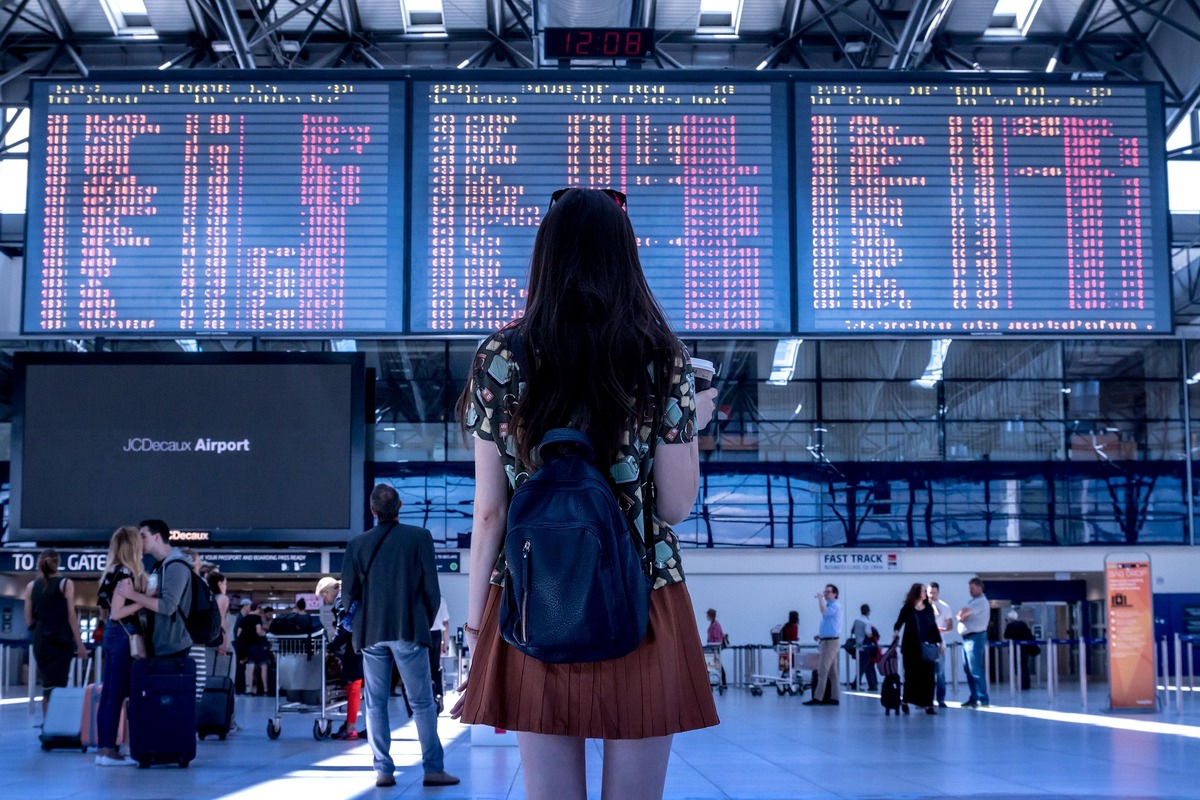
Modern airline algorithms now analyze billions of data points in real-time: global event schedules, weather patterns, fuel price fluctuations, and even your personal browsing habits. This creates a "fluid" price environment where a fare can change in the seconds it takes you to refresh your browser.
If you want to travel this summer without breaking the bank, you need to understand how these algorithms think. Here is your definitive guide to outsmarting AI-driven flight pricing in 2026.
Understanding the "Agentic" Shift in Airline Pricing
In the past, airlines used "buckets" of seats. Once the cheap seats were gone, the price moved up to the next tier. Today, AI-driven pricing is continuous. Instead of fixed tiers, the algorithm calculates the "Maximum Willingness to Pay" for every individual search.
1. Predictive Demand Modeling
Airlines now use predictive AI to anticipate demand before it happens. If an algorithm detects a surge in social media mentions for a specific festival in Croatia or a tech conference in Lisbon, it will raise prices weeks before the first ticket is even sold.
2. Behavioral Profiling
The algorithm isn't just watching the route; it's watching your "digital footprint." Using cross-site tracking and device fingerprinting, AI can estimate your budget. Are you searching from a brand-new iPhone in a high-income zip code? The algorithm may categorize you as a "low-price-sensitivity" traveler, subtly keeping fares higher.
Strategy 1: Defeat the "Digital Fingerprint"
To get the best price in 2026, you must become a "ghost" to the airline's tracking systems. AI relies on historical data to price you; if it has no data, it defaults to the baseline "cold" fare.
Go Beyond "Incognito" Mode: Modern AI can track you via your IP address and browser settings even in private mode. Use a VPN (Virtual Private Network) to mask your location. Sometimes, setting your VPN to a lower-income country or the "home country" of the airline can trigger a lower local currency rate.
The "Clean Device" Protocol: If possible, do your final booking on a different device than the one you used for research. If you searched on your laptop, book on your tablet. This disrupts the "re-targeting" algorithms that raise prices when they see a returning user.
Clear the Cache of your "Travel Apps": Airline apps are highly efficient data collectors. If you use an app to track prices, clear its storage and cache before making the final purchase.
Strategy 2: Leverage "Fare-Lock" and AI Prediction Tools
Ironically, the best way to beat AI is to use AI. Several third-party platforms now offer "Price Protection" and "Fare-Lock" features that act as a hedge against volatility.
Utilize "Price Freeze" Features: Many booking sites now allow you to pay a small fee (often $10–$20) to "freeze" a fare for 48 to 72 hours. In a Dynamic Pricing 2.0 environment, this is an essential tool. It gives you a safety net while you check other options, protecting you from sudden algorithmic "spikes."
AI-Based Price Predictors: Use tools that provide a "Confidence Score." In 2026, these tools are highly accurate, telling you whether to "Buy Now" or "Wait" based on five years of historical algorithmic behavior.
Strategy 3: The "Hidden City" and "Multi-City" Hack
AI algorithms often over-price direct flights because they know business travelers value time over money. You can exploit this by looking for "inefficiencies" in the network.
The Multi-City Discount: Sometimes, booking a flight from New York to London and then a separate flight from London to Paris is cheaper than a direct New York to Paris ticket—even on the same airline. AI often fails to sync these "legs" perfectly.
Alternative Hubs: Instead of flying into a major hub like London Heathrow or Paris CDG, search for "Second-City" airports. Algorithms often keep these prices lower to incentivize traffic to under-utilized runways.
Strategy 4: Timing the "Algorithmic Reset"
While the "Tuesday midnight" rule is dead, there are still patterns in how AI refreshes its data sets.
The 21-Day Threshold: Most AI models are programmed to shift from "Leisure Mode" to "Business Mode" exactly 21 days before departure. This is when the algorithm stops looking for families and starts looking for high-budget corporate travelers. Always try to book your summer travel at least 22 days in advance.
Monitor the "Empty Leg" Window: About 72 hours before a flight, if the AI realizes its predictive model was too optimistic and seats are still empty, it will trigger a "fire sale" to fill the plane. If you are a spontaneous traveler, this 72-hour window is your gold mine.
Summary of Pricing Tactics for Summer 2026
| Tactic | Why it Works | Implementation |
|---|---|---|
| VPN Masking | Prevents location-based price gouging. | Set location to a lower-GDP country. |
| Device Swapping | Disrupts behavioral re-targeting. | Search on Mobile, Book on Desktop. |
| Fare-Locking | Acts as insurance against spikes. | Pay a small fee to hold a price for 48h. |
| 22-Day Rule | Avoids the "Business Fare" algorithm shift. | Finalize all bookings 3 weeks out. |
| Alternative Hubs | Avoids high-demand "Algorithm Hotspots." | Fly to Lyon instead of Paris. |
Strategy 5: The "Human" Variable in an AI World
In 2026, some of the best deals aren't found on screens. Because everyone is relying on the same AI aggregators, "Offline" or "Direct" channels are making a comeback.
Book Direct with the Airline: Aggregators often add a "convenience fee" that their own AI hides in the total. After finding a flight on a comparison site, go directly to the airline’s website. You’ll often find "Web-Only" fares that the airline’s AI is forbidden from sharing with third-party sites.
Leverage Loyalty "Ghost" Fares: Log into your frequent flyer account before you search. Airlines are increasingly using "Private Pricing" for members to build loyalty, offering rates that the general public’s AI-powered search results will never see.
Conclusion: The New Rulebook for Summer Travel
The "Summer of 2026" belongs to the informed traveler. While AI-driven flight algorithms are more powerful than ever, they are also predictable. They rely on your patterns, your data, and your predictability. By masking your digital identity, using predictive tools to your advantage, and understanding the timing of algorithmic shifts, you can reclaim control over your travel budget.
Don't let the algorithm dictate your adventure. At intotravels.com, we believe that travel should be accessible, and the first step to an affordable journey is mastering the technology behind the ticket.
Pack your bags, clear your cookies, and get ready to see the world on your own terms.


