
From Muscle to Longevity: Why Sarcopenia Prevention is Now the #1 Goal in Global Fitness Centers.
As we navigate 2026, the global fitness landscape is undergoing its most profound transformation in decades. For years, the primary motivators for gym attendance were aesthetics and weight loss—chasing "beach bodies" and six-pack abs. However, a new priority has claimed the #1 spot in fitness centers from New York to Tokyo: Sarcopenia Prevention.
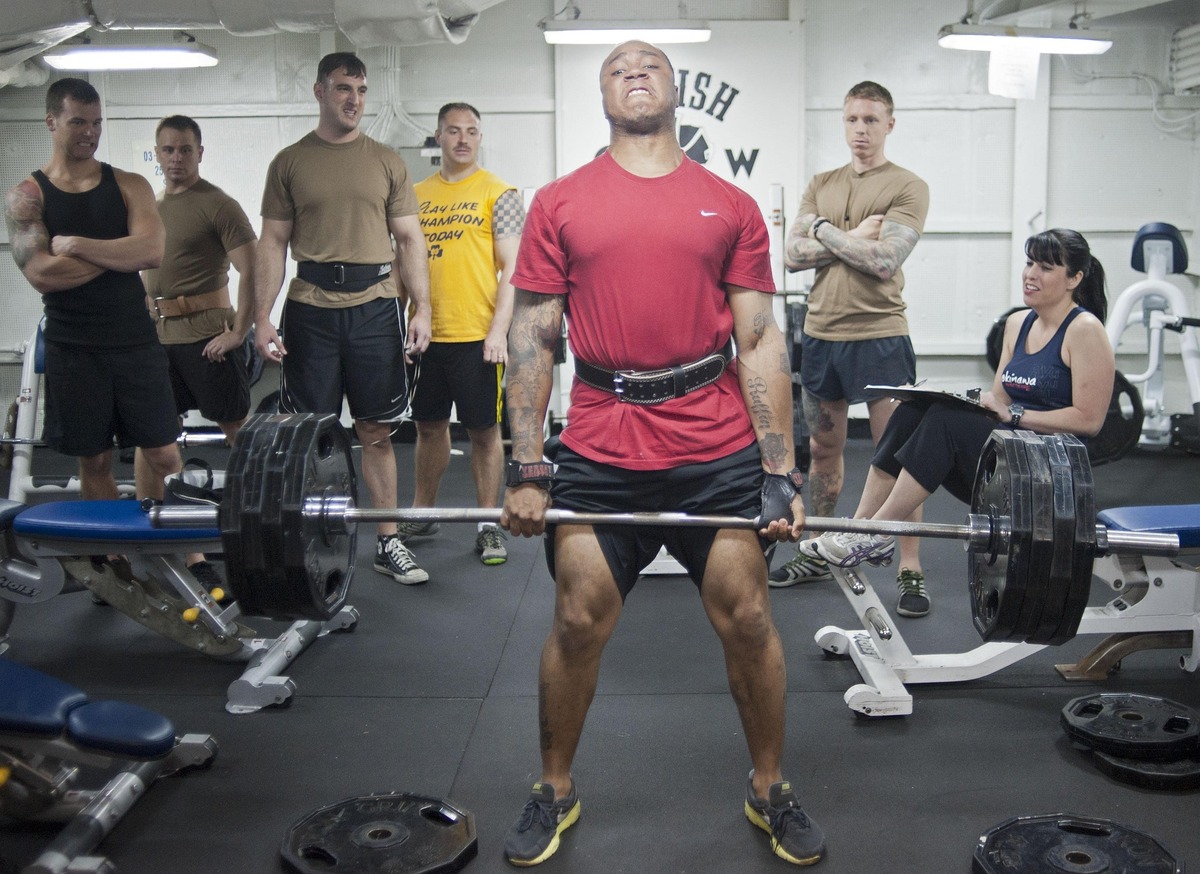
The shift from muscle for show to muscle for longevity is not just a trend; it is a biological necessity. As the global population ages and our understanding of muscle as an endocrine organ deepens, "muscle mass" is being redefined as "life insurance." This article explores why preventing muscle wastage is the defining goal of 2026 and how it is revolutionizing the way we train, eat, and travel.
The Silent Epidemic: Understanding Sarcopenia in 2026
Sarcopenia is the progressive loss of skeletal muscle mass, strength, and function. While once considered an inevitable consequence of aging, the medical community in 2026 now classifies it as a primary driver of frailty and chronic disease.
Recent data suggests that after the age of 30, humans can lose between 3% and 8% of their muscle mass per decade, a rate that accelerates significantly after 60. This loss isn't just about weaker arms; it is about the loss of metabolic health, bone density, and the ability to live an independent life.
The Biological "Tipping Point"
In 2026, we have identified the "Sarcopenic Tipping Point"—the moment when muscle loss leads to a cascade of other health failures, including:
Metabolic Dysfunction: Muscle is the body’s primary site for glucose disposal. Less muscle means a higher risk of Type 2 diabetes.
Chronic Inflammation (Inflammaging): Depleted muscle mass increases systemic inflammation, accelerating the aging of other organs.
Fall and Fracture Risk: Sarcopenia is now the leading predictor of hip fractures, which in 2026 remains a major cause of mortality in the elderly.
Why Fitness Centers Are Rebranding as "Longevity Hubs"
The fitness centers of 2026 look very different from the "iron paradises" of the past. The shift toward sarcopenia prevention has changed the floor plan, the technology, and the coaching philosophy.
1. From "No Pain, No Gain" to "Precision Loading"
The aggressive, high-impact culture of the early 2020s has been replaced by Progressive Resistance Training (PRT). 2026 fitness hubs prioritize safe, mechanical loading that targets Type II muscle fibers—the "fast-twitch" fibers most prone to sarcopenic loss. You will see more selectorized machines that offer "variable resistance" to protect joints while maximizing muscle stimulus.
2. Muscle Quality over Muscle Size
The goal is no longer hypertrophy for the sake of volume, but Muscle Quality. Fitness centers now use AI-driven Myography to measure muscle density and intramuscular fat (marbling). Trainers in 2026 are more likely to celebrate an increase in your "strength-to-mass ratio" than the size of your biceps.
3. Integrated Mobility and Stability
Preventing sarcopenia is useless if you cannot move. Modern programs now pair heavy lifting with "Proprioceptive Training"—exercises that improve the brain-to-muscle connection. This ensures that the muscle you build is functional, allowing for better balance and coordination.
The Technology of Muscle Maintenance
The surge in sarcopenia focus is powered by the "Bio-Feedback" revolution of 2026.
Advanced Biosensors: Wearables now track Mechanical Load and Volume Load in real-time, telling you exactly when you have stimulated the muscle enough to trigger growth without causing overtraining.
Computer Vision Coaching: Cameras equipped with AI monitor your form on the gym floor, ensuring that every squat and press is hitting the target muscle group with surgical precision.
Digital Muscle Twins: Many high-end centers now provide a "Digital Twin" of your muscular system, allowing you to see which specific muscles are at risk of atrophy based on your current movement patterns.
The Traveler’s Muscle Crisis: Sarcopenia on the Move
For the community at intotravels.com, the fight against sarcopenia is particularly challenging. Travel is historically the enemy of muscle mass.
1. The "Transit Atrophy" Effect
Long-haul flights and sedentary travel days are "muscle killers." Low activity levels combined with the catabolic stress of jet lag can trigger rapid muscle breakdown. In 2026, savvy travelers use "Isometric Travel Protocols"—discreet, high-tension exercises performed in their seats to maintain muscle protein synthesis during transit.
2. The Nutrition Gap
Maintaining muscle requires a consistent, high-leucine protein intake. Travelers often struggle to find quality protein in foreign environments. The 2026 solution? Nano-Encapsulated Essential Amino Acids (EAAs) that can be easily carried in a pocket and taken to prevent "fasted muscle loss" while exploring new cities.
3. Hotel Gyms as Recovery Centers
The "Hotel Gym" of 2026 has evolved. They are no longer afterthoughts with a rusty treadmill. Premium hotels featured on intotravels.com now offer Blood Flow Restriction (BFR) Training—a technology that allows travelers to achieve a high-intensity muscle stimulus using very light weights, perfect for a quick, effective workout in a small space.
The Nutrition-Muscle Synergy: Beyond Protein
In 2026, we know that protein alone isn't enough to stop sarcopenia. The "Muscle-Longevity Diet" is a sophisticated balance of:
Protein Pacing: Consuming 30-40 grams of high-quality protein every 3-4 hours to keep the body in an "Anabolic State."
Creatine Monohydrate: Once a niche bodybuilder supplement, creatine is now the #1 recommended longevity supplement for adults over 50 to support muscle energy and brain health.
Omega-3 Fatty Acids: High doses of marine minerals and Omega-3s are used to overcome "Anabolic Resistance"—the condition where aging muscles become less responsive to protein and exercise.
Conclusion: Muscle as the Ultimate Currency of 2026
The shift toward sarcopenia prevention marks a maturing of the fitness industry. We have realized that the most important thing we can do for our future selves is to protect the "engine" that moves us through the world.
Whether you are a digital nomad, a high-performing professional, or an active explorer, your muscle mass is your most valuable asset. It is the foundation of your metabolism, the protector of your bones, and the key to your independence. By making sarcopenia prevention your #1 goal in 2026, you aren't just training for a better look; you are training for a better life.
At intotravels.com, we believe the best way to see the world is with a body that is strong, resilient, and capable of taking you there. Don't just travel the world—have the strength to enjoy every mile of it.
Comparison: Traditional Fitness vs. 2026 Longevity Fitness
| Feature | Traditional Fitness (Pre-2025) | Longevity Fitness (2026) |
|---|---|---|
| Primary Goal | Fat Loss / Aesthetics | Sarcopenia Prevention / Function |
| Training Focus | High Intensity / "Burn" | Progressive Load / Muscle Quality |
| Measurement | Body Weight / Mirror | Muscle Density / Strength-to-Mass |
| Nutrition | Calorie Deficit | Protein Pacing / Anabolic Support |
| Technology | Simple Heart Rate | AI-Form Correction / Biosensors |
| Travel Impact | "Taking a break" from gym | Active Muscle Maintenance |


