
Hyper-Personalized Wellness: AI Companions Now Use Real-Time Bio-Data to Predict User Burnout
For decades, the standard response to professional exhaustion has been "reactive." We worked until we collapsed, then sought a vacation or a medical leave to recover. However, as we move through 2026, the paradigm of mental health has fundamentally shifted from recovery to prevention. The emergence of hyper-personalized wellness platforms—powered by AI Companions—has turned our own biological signals into an early warning system.
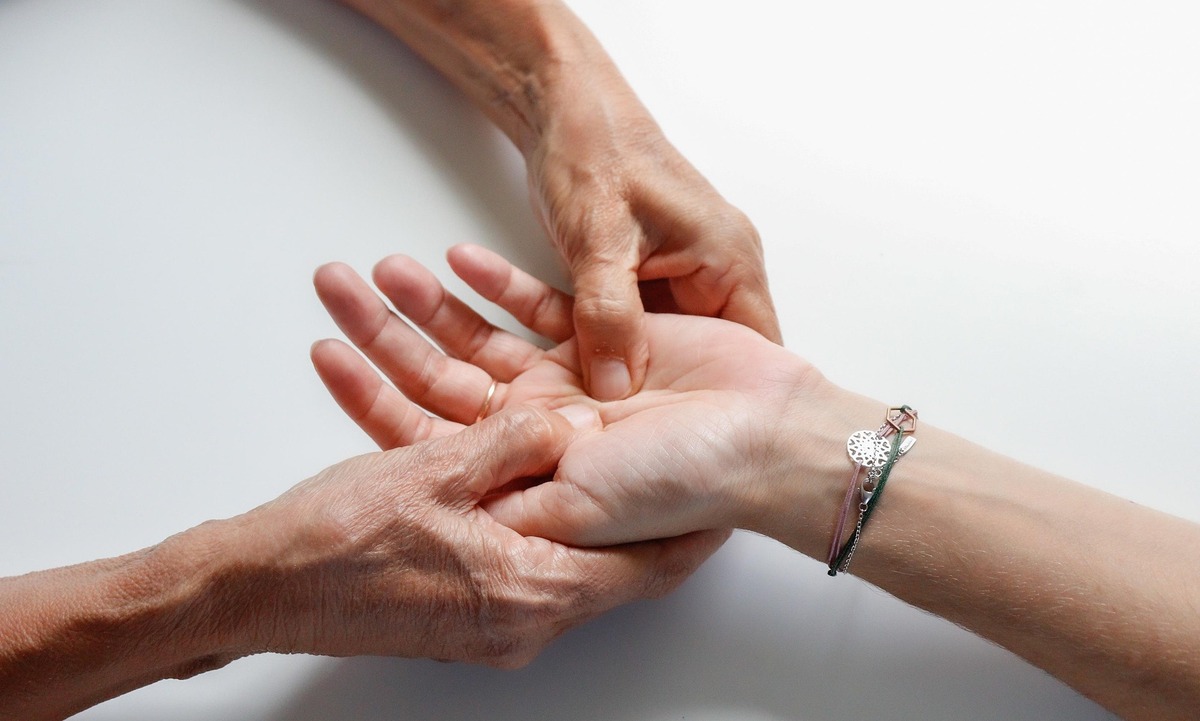
These are no longer simple chatbots that ask "How do you feel?" Instead, they are sophisticated digital partners that analyze real-time bio-data from wearables to predict burnout weeks before the user even feels the first symptoms of fatigue.
The Science of "Digital Psychological Signatures"
The breakthrough of 2026 lies in the concept of the Digital Psychological Signature. In the past, biometric data like heart rate and step counts were viewed in isolation. Today, AI wellness companions use Multimodal Data Fusion to create a holistic map of a user's internal state.
By correlating physiological markers with behavioral patterns, these AI systems can identify the subtle "decay" in resilience that precedes a burnout event.
Key Bio-Data Markers Tracked in Real-Time:
Heart Rate Variability (HRV): The primary indicator of the autonomic nervous system's health. A consistent downward trend in HRV is often the first biological sign that the body is stuck in a "fight or flight" stress loop.
Cortisol Markers in Sweat: Modern smart-skin patches and watch sensors can now detect fluctuations in cortisol (the stress hormone) directly from interstitial fluid or sweat.
Sleep Architecture: AI companions analyze the ratio of REM to Deep Sleep. A significant drop in Deep Sleep—even if the total hours of sleep remain constant—is a major predictor of cognitive burnout.
Skin Conductance (GSR): Real-time monitoring of galvanic skin response allows the AI to detect spikes in emotional arousal or anxiety during specific calendar events, such as high-pressure meetings.
From Passive Tracking to Proactive Companionship
The difference between a "wellness app" and a "Wellness Companion" is the level of agency and empathy integrated into the system. In 2026, these companions operate as "Invisible Guardians" that live in the background of our digital lives.
Emotional Intelligence and Tone Analysis
Beyond bio-data, these companions monitor "Passive Language Patterns." Using Natural Language Processing (NLP), the AI can detect shifts in your typing speed, the sentiment of your emails, or the pitch of your voice during calls. If your bio-data shows high stress and your language patterns show "emotional flattening" or irritability, the AI flags a high risk of burnout.
The "Micro-Intervention" Strategy
Unlike older systems that provided generic advice, 2026 AI companions deliver Hyper-Personalized Interventions.
Example: Your AI companion notices that after three consecutive back-to-back meetings, your HRV has dropped into a "danger zone." Instead of a generic "take a break" notification, it intervenes by proactively blocking 15 minutes on your calendar for a specific breathing exercise that it knows—based on your historical data—is most effective for lowering your specific heart rate.
Impact on the Modern Workplace and Travel
As the line between work and life continues to blur, the integration of these tools into platforms like IntoTravels is becoming essential for the modern professional.
"Wellness-First" Itinerary Planning
In 2026, travel planning isn't just about dates and destinations; it's about Resilience Management. AI companions now sync with travel booking engines. If the AI detects that your stress levels have been elevated for 14 days, it might suggest a "Recovery Weekend" in a location with high "nature-density," specifically choosing a hotel that offers a low-stimulation environment to help reset your nervous system.
The Corporate "Burnout Buffer"
Many forward-thinking corporations have replaced "Wellness Wednesdays" with AI Bio-Monitoring Benefits. Employees opt into a private, zero-knowledge system where the AI manages their workload based on their real-time recovery score. This has led to a 40% reduction in long-term disability claims related to mental health in late 2025.
Technical Pillars: How It Works Under the Hood
The capability to predict burnout with 90% accuracy is built on several maturing technologies that reached a tipping point this year:
Edge-Processed AI: To maintain radical privacy, the "heavy lifting" of the data analysis happens on the user's local device (smartphone or watch) rather than in the cloud. Your biological "fingerprint" never leaves your possession.
Bayesian Predictive Models: These models are "uncertainty-aware." They don't just give a "Yes/No" on burnout; they calculate a probability score that evolves as new data points come in, allowing for a more nuanced understanding of human variability.
Generative Empathy: Modern LLMs are now tuned with Clinical Psychology Frameworks (like Cognitive Behavioral Therapy). This allows the companion to speak to the user with a level of empathy and nuance that feels supportive rather than clinical or robotic.
The Ethical Frontier: Privacy and Sovereignty
The rise of bio-data-driven AI companions brings significant ethical questions into 2026. The most pressing concern is Data Sovereignty.
The "Zero-Knowledge" Standard
To ensure these tools aren't weaponized by employers or insurance companies, the 2026 industry standard is Local-First, Zero-Knowledge Encryption. This means the AI companion can provide "Proof of Wellness" to a third party without revealing the raw biological data behind that score.
Avoiding "Optimized Exhaustion"
There is a risk that users will use these tools to "game" their own bodies—pushing themselves to the absolute limit just before the AI flags a warning. Psychologists are now warning against "Optimized Exhaustion," where humans treat their mental health like a fuel gauge to be depleted, rather than a garden to be tended.
Future Outlook: The "Pre-Symptomatic" Era
By the end of 2026, we expect AI companions to move beyond burnout into broader Predictive Healthcare. These systems are already beginning to detect early signs of depression, anxiety disorders, and even neurological changes by analyzing the minute "tremors" in digital interaction patterns.
| Feature | 2021 Wellness App | 2026 AI Companion |
|---|---|---|
| Data Source | User-entered mood logs. | Continuous, multimodal bio-sensors. |
| Logic | Static "If-Then" rules. | Generative, adaptive reasoning. |
| Response | Generic "Drink water" tips. | Real-time calendar & environment adjustments. |
| Privacy | Data stored on central servers. | Local-only, decentralized encryption. |
Conclusion: Reclaiming the Human Pace
The Zero-UI and AI-native movements are ultimately about returning us to a more natural, human pace of life. By using our own biological signals to navigate the demands of the digital world, we are finally moving away from the "always-on" culture that defined the early 21st century.
Hyper-personalized wellness is the ultimate travel companion for the 2026 professional. It ensures that when we explore the world—whether for work or leisure—we do so with a full battery, a calm mind, and the biological resilience to truly enjoy the journey.


