
"Set-Jetting" Croatia: Following the Latest Cinematic Trail Through the Adriatic’s Most Iconic Filming Locations
In the world of modern travel, a new phenomenon has taken center stage: Set-Jetting. No longer content with traditional sightseeing, the 2026 traveler is looking to walk in the footsteps of their favorite cinematic characters. While many countries offer beautiful landscapes, few have captured the global imagination quite like Croatia.
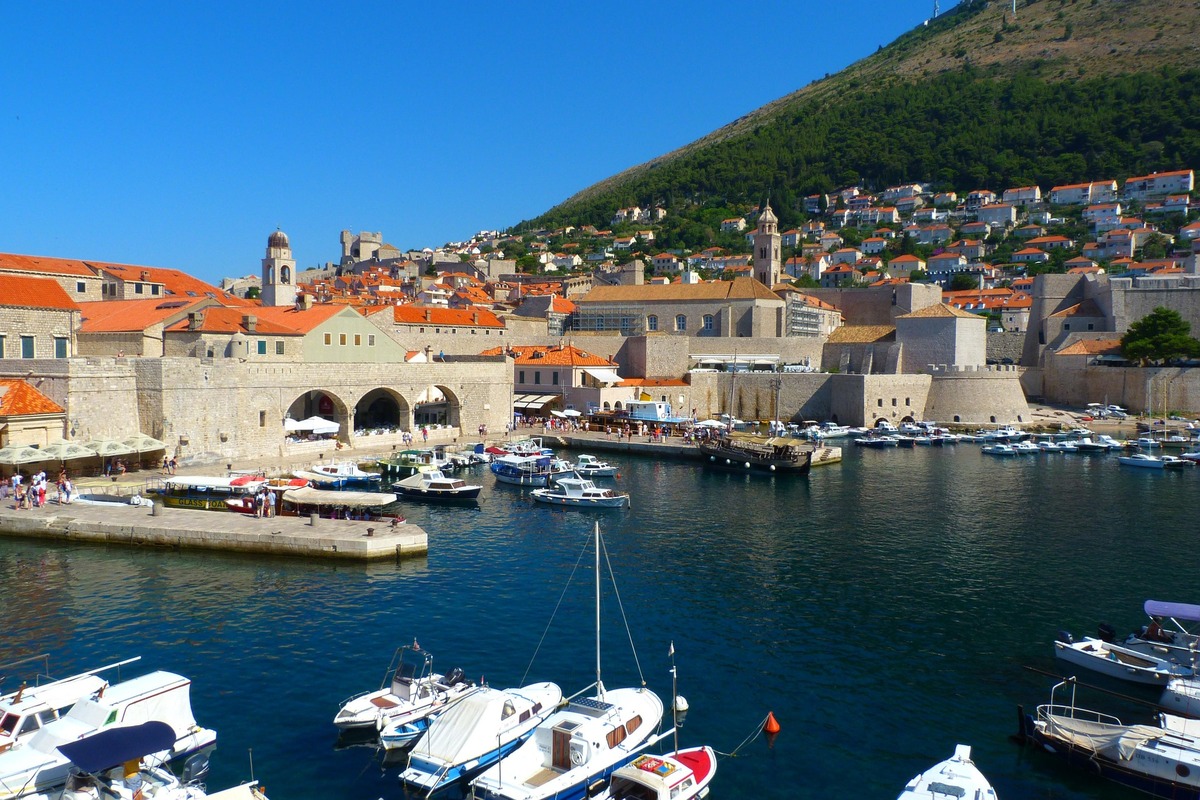
With its jagged limestone cliffs, terracotta-roofed medieval towns, and the shimmering turquoise of the Adriatic Sea, Croatia has become Europe’s premier "open-air studio." From the sprawling epic of Game of Thrones to the sun-drenched musical joy of Mamma Mia! Here We Go Again, and more recent high-stakes thrillers, the Croatian coast is a living map of silver-screen history.
This guide takes you through the ultimate cinematic trail, offering an insider’s look at the locations that have defined Croatia’s rise as a global set-jetting destination.
Why Croatia is the Global Capital of Set-Jetting
The rise of set-jetting in 2026 is driven by the desire for "fictional immersion." Travelers want to stand on the exact pier where a pivotal scene took place or dine in the same stone courtyard as an A-list star.
Croatia’s appeal lies in its versatility. It can effortlessly double as a fantasy kingdom, a 1970s Greek island, or a futuristic alien planet. The combination of well-preserved Roman architecture and untouched natural parks provides a production value that CGI simply cannot replicate. For the visitor, this means that the "movie magic" is very much real—there are no green screens here, just authentic, breathtaking history.
1. Dubrovnik: The Perpetual King’s Landing
No discussion of Croatian filming locations is complete without Dubrovnik. While Game of Thrones concluded years ago, its legacy has permanently transformed "The Pearl of the Adriatic." In 2026, the city has mastered the art of managing its cinematic fame, offering sophisticated tours that blend historical fact with fantasy fiction.
Iconic Landmarks to Visit
Stradun (The Main Street): This limestone-paved pedestrian street served as the backdrop for many processions. Walking it early in the morning, before the crowds arrive, allows you to feel the true scale of the city’s medieval power.
The Jesuit Staircase: Known worldwide for the "Walk of Penance," these Baroque stairs are perhaps the most photographed set-jetting spot in Europe.
Fort Lovrijenac (The Red Keep): Perched on a 37-meter high cliff outside the western walls, this fort offers the best views of the city and was the setting for many of the show’s most dramatic tournaments and dialogues.
The 2026 Twist
Beyond fantasy, Dubrovnik recently served as a backdrop for Star Wars: The Last Jedi, where its streets were transformed into the high-stakes casino city of Canto Bight. The city’s ability to pivot from "Medieval Fantasy" to "Intergalactic Luxury" is a testament to its unique aesthetic.
2. Vis Island: The Musical Escape of "Mamma Mia!"
When producers needed a pristine, sun-soaked Greek island for the sequel Mamma Mia! Here We Go Again, they didn't go to Greece. They went to Vis. As the furthest inhabited island from the Croatian mainland, Vis spent decades as a restricted military base, preserving its rugged beauty and preventing overdevelopment.
Following the Musical Trail
Komiza Village: This charming fishing village served as the heart of the film. The harbor is instantly recognizable, and the local taverns still talk about the weeks the Hollywood cast spent dining on their fresh catch.
Stiniva Cove: Voted one of the best beaches in Europe, this hidden inlet framed by high cliffs was a primary filming location. Its narrow entrance makes it feel like a private sanctuary.
Barjoska Bay: This is where the famous "Dancing Queen" sequence was filmed. In 2026, the bay remains largely untouched, offering a "slow travel" experience for those looking to escape the busier hubs like Hvar.
3. Split and Klis: Of Emperors and Dragons
Split, Croatia’s second-largest city, offers a unique set-jetting experience because the "set" is actually a functioning city center. Diocletian’s Palace, a 1,700-year-old Roman ruin, houses shops, cafes, and homes within its walls.
Highlights for Cinema Lovers
The Substructures (Cellars): These vaulted stone halls were used as the dragons' dungeon. Today, they host artisan markets and exhibitions, but the atmosphere remains hauntingly cinematic.
Klis Fortress: Located just a 20-minute drive from Split, this mountain fortress sits atop a vertical ridge. It served as the city of Meereen. In 2026, the fortress has seen improved accessibility, allowing travelers to walk the narrow ramparts for a 360-degree view of the Split peninsula and the Adriatic islands.
4. Šibenik: The Renaissance Double
Often overlooked in favor of its southern neighbors, Šibenik is the rising star of Croatian set-jetting. With its stone-labyrinth streets and the magnificent St. James Cathedral (a UNESCO site), it has been used to depict the powerful "Iron Bank" city of Braavos.
Why Šibenik is Winning in 2026
Šibenik offers a more "boutique" experience. It is less crowded than Dubrovnik but offers the same white-stone aesthetic. The city’s four fortresses have recently undergone extensive restoration, often featuring open-air cinema nights where you can watch the very films shot in the streets below.
5. Opatija and Rijeka: The Sophisticated Thriller Set
The northern Adriatic coast, known as the Kvarner Gulf, offers a different cinematic vibe. Opatija, with its Austro-Hungarian villas and grand hotels, is frequently used as a stand-in for the French Riviera or classic European spy locations.
The Lungomare: This 12-kilometer coastal promenade has been featured in numerous European dramas and high-fashion commercials.
Rijeka’s Industrial Gritty: For modern thrillers and neo-noir films, Rijeka’s port and industrial heritage provide a stark, cool contrast to the sun-bleached stones of the south.
Practical Tips for the Croatian Set-Jetter
To make the most of your cinematic journey in 2026, consider these strategic tips:
1. The "Off-Season" Advantage
Filming locations are most recognizable when they aren't obscured by thousands of other tourists. Visit in May or October. The light is better for photography, the temperatures are mild, and you’ll have a much easier time finding the exact "hero shot" from the movie.
2. Respect the Living City
Remember that many of these locations are homes to locals. Especially in places like Split and Dubrovnik, the "set" is a residential neighborhood. Be mindful of noise levels and privacy when hunting for that perfect Instagram angle.
3. Use Local Guides
Many local guides in Croatia actually worked as "extras" or production assistants during filming. Hiring a local guide doesn't just give you the location; it gives you the "behind-the-scenes" stories that you won't find on Wikipedia.
Summary of Top Cinematic Spots
| Location | Famous For | Cinematic Identity | Top Landmark |
|---|---|---|---|
| Dubrovnik | GoT, Star Wars | King's Landing / Canto Bight | St. Ignatius Stairs |
| Vis Island | Mamma Mia! 2 | Kalokairi (Greece) | Stiniva Cove |
| Split | GoT | Meereen / Daenerys' Throne Room | Diocletian's Cellars |
| Šibenik | GoT | Braavos | St. James Cathedral |
| Zadar | The White Lotus (Rumored) | Luxury Mediterranean | Sea Organ |
Conclusion: Be the Protagonist of Your Own Story
The magic of "Set-Jetting" in Croatia is that the reality often surpasses the fiction. While a camera lens can capture the beauty of the Adriatic, it cannot capture the scent of wild rosemary in the air, the taste of fresh Malvazija wine, or the warmth of the sun on ancient stone.
By following the cinematic trail through Croatia, you aren't just visiting a film set; you are discovering a country that has been a crossroads of civilizations for millennia. In 2026, let the movies be your map, but let the Croatian spirit be your guide.
Are you ready to step into the frame? Explore our curated Adriatic itineraries on intotravels.com and start planning your blockbuster escape today.


