
Sleep Divorce 2.0: How "Luxury Separate-Room Living" Became the Ultimate Status Symbol for Healthy Long-Term Marriages
For decades, the image of a successful marriage was personified by the shared master bedroom. It was the sanctuary of the union, the place where intimacy was cultivated and where the day’s burdens were laid to rest. Conversely, the idea of "sleeping in separate rooms" was often whispered about as a precursor to legal separation—a sign of a cooling bed and a dying romance.
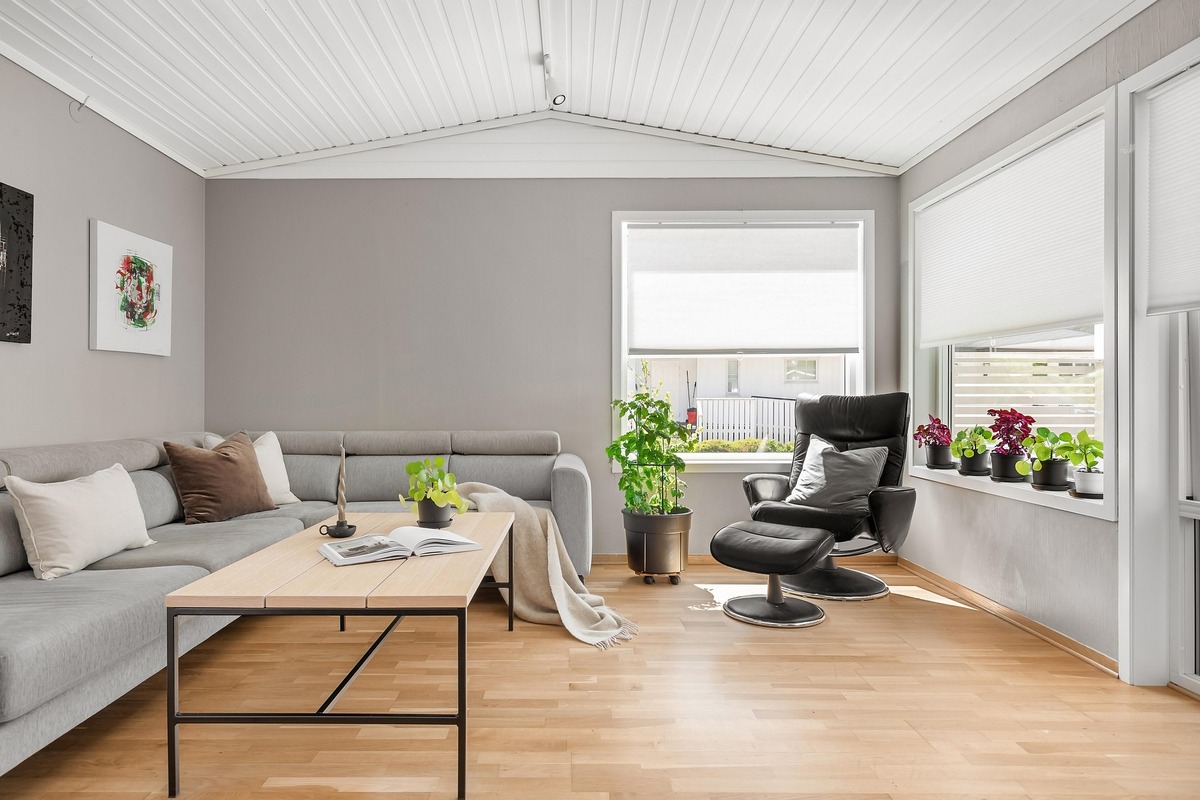
However, as we move through 2026, a radical cultural pivot has occurred. What was once a "taboo" secret is now being rebranded as a high-end lifestyle choice. Welcome to Sleep Divorce 2.0. No longer a sign of marital strife, "luxury separate-room living" has emerged as the ultimate status symbol for modern, health-conscious, and affluent couples. It is a movement that prioritizes biological optimization, personal autonomy, and the long-term sustainability of the relationship over outdated Victorian social norms.
For the high-achieving travelers and digital nomads of the Into Travels community, Sleep Divorce 2.0 isn't about moving away from a partner; it’s about moving toward a better version of oneself.
The Evolution from "Taboo" to "Trendy"
The first iteration of "sleep divorce" was largely reactionary—a desperate move by couples struggling with snoring, restless leg syndrome, or conflicting work schedules. It was often viewed through a lens of lack: a lack of space, a lack of compatibility, or a lack of intimacy.
Sleep Divorce 2.0 is different. It is proactive and aspirational. In 2026, the global elite have identified sleep as the most valuable "biometric currency" they possess. When you optimize sleep, you optimize productivity, mood, and physical appearance. Modern couples have realized that the biological cost of sharing a bed—temperature fluctuations, movement-induced micro-awakenings, and differing circadian rhythms—is a tax they are no longer willing to pay.
Today, custom-built homes are being designed with "Dual Primary Suites" instead of a single master bedroom. These suites are often connected by a shared lounge or "intimacy portal," but they remain distinct, personalized sanctuaries.
The Biological Case for Individual Sanctuaries
The science of sleep has been the primary driver behind this trend. We now know that even the most compatible couples often have vastly different sleep needs.
1. The Battle of the Thermostat
Thermal comfort is one of the most common points of domestic friction. One partner may be a "hot sleeper" who requires a room at 16°C (60°F) to reach deep REM sleep, while the other may require 22°C (72°F) and a weighted blanket. Sleep Divorce 2.0 allows for personalized climate control, ensuring both partners reach peak recovery cycles.
2. Chronotype Harmony
As we explored in previous discussions about "Limbic Dating," humans are naturally divided into "Larks" (morning types) and "Owls" (night types). Forcing a Lark and an Owl to share a sleep schedule leads to chronic "social jetlag." Luxury separate-room living allows the Owl to work late or read under bright lights without disturbing the Lark’s 5:00 AM rise.
3. The "Micro-Awakening" Epidemic
Even if you don't remember it, every time a partner rolls over, pulls the duvet, or coughs, your brain registers a micro-awakening. These interruptions prevent the body from entering the deeper, restorative stages of sleep. By having separate rooms, couples are reporting a 30-40% increase in sleep efficiency, leading to better skin, sharper cognitive function, and lower cortisol levels.
Why It’s the New Status Symbol
In the 19th century, separate bedrooms were common among the aristocracy. In 2026, this trend has returned as a marker of wealth and emotional intelligence.
Spatial Luxury
Having the square footage to support two fully realized primary suites is a clear indicator of financial success. It signifies that the couple doesn't just have a "spare room," but rather two dedicated environments curated to individual tastes.
Emotional Security
Only a couple with profound trust and security can navigate separate sleeping arrangements without fear of drift. In a world where people are increasingly insecure, the ability to say, "I love you enough to give you your own space," is the ultimate flex of relationship stability.
The "Guest in Your Own Home" Thrill
Couples practicing Sleep Divorce 2.0 often report that it restores the "dating" phase of the relationship. Instead of the mundane, obligatory nature of sharing a bed every night, "sleeping over" in a partner’s room becomes a conscious, romantic choice. It reintroduces mystery and intentionality into the bedroom.
Sleep Divorce 2.0 for the Digital Nomad
For those living the "Into Travels" lifestyle, this trend is particularly transformative. Traveling as a couple often means living in cramped hotel rooms or shared Airbnbs, which can accelerate relationship burnout.
The Rise of "Split-Stay" Bookings
We are seeing a surge in "Dual-Suite" luxury hotel bookings. High-end resorts in Bali, Tulum, and the Swiss Alps are now offering "Nomad Couple Suites" that feature two separate sleeping pods or interconnected rooms with separate soundproofing. This allows partners to maintain their individual routines while exploring the world together.
Maintaining Focus on the Road
When you are working remotely in a new time zone, sleep is your greatest asset. Separate rooms allow one partner to take a late-night call with a client in New York while the other sleeps soundly for a 9:00 AM hike in the Andes. It removes the guilt associated with "disturbing the peace."
Navigating the "Intimacy Portals"
One of the biggest concerns about Sleep Divorce 2.0 is the potential loss of intimacy. However, 2026’s couples have solved this through the concept of the "Intimacy Portal" or the "Transition Zone."
These are shared spaces—perhaps a spa-like bathroom, a library, or a cozy lounge—that connect the two private suites. The "rule" of Sleep Divorce 2.0 is that intimacy is scheduled and intentional. Couples spend the evening together in a shared space, engage in physical and emotional connection, and then "retreat" to their private sanctuaries for the actual act of sleep.
| Feature | Sleep Divorce 1.0 (The Old Way) | Sleep Divorce 2.0 (The Luxury Way) |
|---|---|---|
| Motivation | Avoiding a snoring partner. | Optimizing biological performance. |
| Location | The guest room or the couch. | A dedicated, personalized primary suite. |
| Perception | "Something is wrong with us." | "We are prioritizing our health." |
| Intimacy | Accidental/Spontaneous. | Intentional and highly valued. |
| Design | Hidden/Secret. | Celebrated and architectural. |
The Interior Design Revolution
The "Luxury Separate-Room" trend has given birth to a new niche in interior design. Designers are now tasked with creating "Mirror-Image" suites that reflect individual personalities.
His/Hers/Theirs Aesthetic: One room might be a minimalist, dark-toned "sleep cave" designed for total sensory deprivation, while the other is a bright, airy sanctuary filled with plants and morning light.
Soundproofing Tech: Advanced acoustic panels and "white noise" integration are standard in these luxury builds to ensure total silence between suites.
The "Morning Coffee" Ritual: Many of these layouts include a small, shared kitchenette between the rooms where the couple "meets" for their first interaction of the day.
Is Sleep Divorce 2.0 Right for Your Marriage?
If you are considering this lifestyle shift, experts suggest asking three key questions:
Is our current sleep setup affecting our daytime interactions? (Are you "hangry" or "sleep-deprived-angry" at your partner?)
Do we have the emotional security to spend nights apart?
Are we committed to making intimacy intentional rather than incidental?
If the answer is yes, separate rooms might be the key to a longer, happier, and healthier marriage. It is the ultimate acknowledgment that while you are a couple, you are also two distinct biological organisms with unique needs.
Conclusion: The Future of Shared Living
The "Sleep Divorce 2.0" movement is a testament to the pragmatism of the modern age. We are no longer willing to sacrifice our health at the altar of tradition. By reclaiming our sleep, we are reclaiming our patience, our energy, and our passion.
For the readers of Into Travels, the world is vast and full of adventure. But the greatest adventure is the one you take within your own home—finding the balance between "we" and "me." In 2026, the secret to a happy marriage isn't just a shared life; it’s a great night’s sleep, taken separately, in style.


