
The Ethics of "Ghost-Bots": Is using AI to automate your dating app replies considered the ultimate romantic betrayal?
The digital dating landscape has always been a bit of a wild frontier. From the early days of curated personal ads to the era of the "swipe," technology has consistently reshaped how we find love. But in 2026, we’ve hit a controversial milestone: the rise of the "Ghost-Bot." These are sophisticated AI-driven tools designed to manage, automate, and optimize dating app conversations on behalf of the user.
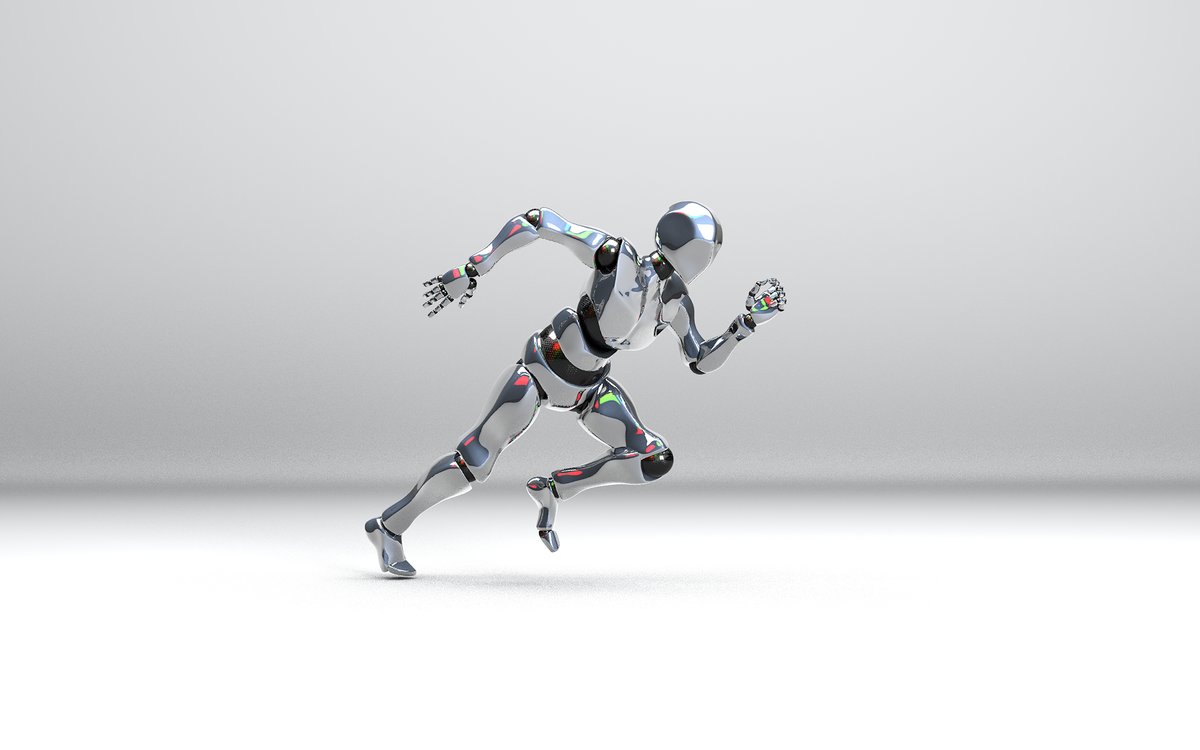
As these tools become mainstream, a heated ethical debate is igniting. Is using an AI to charm a potential partner a clever life hack for the busy professional, or is it the ultimate romantic betrayal—a fundamental breach of human authenticity? For the "Into Travels" community, where long-distance connections and digital-first interactions are the norm, this question is more than academic; it’s personal.
The Rise of the Automated Suitor
Digital fatigue is real. For many, the process of "matching" on apps has become a grueling second job. The endless "Hey, how are you?" and the repetitive small talk can lead to dating burnout. Ghost-Bots promise to solve this by handling the "low-value" initial stages of courtship.
These bots don't just send canned responses. Powered by advanced LLMs (Large Language Models), they analyze a match’s profile, interests, and photos to craft witty, personalized opening lines. They can maintain a conversation for days, escalating to a date request only when they’ve determined a high probability of success. To the person on the other end, they are chatting with a funny, attentive, and charming individual. In reality, they are talking to a set of algorithms.
The Case for Efficiency: The "Filter" Argument
Proponents of AI dating automation argue that the technology is simply an evolution of old habits. People have been asking friends for advice on what to text back for decades. Some even hire professional "dating ghostwriters." Why is an AI any different?
1. Overcoming Social Anxiety
For individuals with social anxiety or those who struggle with neurodivergence, the "blank page" syndrome of a dating app can be paralyzing. A Ghost-Bot can act as a bridge, helping users express their intentions without the crippling fear of immediate rejection.
2. Time Management for the Nomad Lifestyle
For digital nomads or frequent travelers, time is a precious commodity. If you are only in a city like Tokyo or Buenos Aires for two weeks, spending forty hours swiping and chatting is inefficient. AI allows travelers to skip the digital noise and move straight to the face-to-face "into travels" experience.
3. Data-Driven Compatibility
Unlike humans, AI can remain objective. It can cross-reference interests and communication styles across thousands of data points, theoretically finding a more "logical" match than a human driven by a fleeting physical attraction.
The Ethics of Deception: Why It Feels Like Betrayal
While the efficiency is undeniable, the "Ghost-Bot" surge raises profound ethical questions about consent and authenticity. When we engage in a conversation, there is an implicit "social contract" that the person we are speaking to is, in fact, the person behind the screen.
The Erosion of Vulnerability
Romance is built on vulnerability—the awkward pauses, the typos, and the genuine effort of trying to understand another person. When you automate that process, you aren't just saving time; you are removing the "human-ness" from the interaction. If the foundation of a relationship is built on a lie (even a small, algorithmic one), does that relationship have a chance at true depth?
The "Bait and Switch" Problem
The biggest ethical hurdle is the inevitable moment of meeting. If a user utilizes a Ghost-Bot to project a persona that is funnier, smarter, or more poetic than they are in real life, the physical date becomes a "bait and switch." The partner isn't falling for the user; they are falling for the AI. This leads to a sense of profound disappointment and a feeling of being "catfished" by an algorithm.
Is AI Automation "Romantic Fraud"?
To categorize Ghost-Bots, we must look at the spectrum of digital assistance.
| Level of Automation | Tool Description | Ethical Standing |
|---|---|---|
| Level 1: Assistance | AI suggests a better way to phrase a sentence. | Generally accepted. |
| Level 2: Outsourcing | AI generates a unique opening line based on a profile. | Controversial. |
| Level 3: Full Automation | AI handles the entire conversation until a date is set. | Seen by many as "Romantic Fraud." |
For a significant portion of the dating population, Level 3 crosses a line. It treats human connection as a "conversion funnel" rather than a mutual discovery. In the world of travel, where trust is paramount (especially when meeting strangers in foreign lands), the use of Ghost-Bots can feel like a dangerous manipulation of trust.
The Impact on the Traveling Dater
For those using sites like Into Travels to find companionship while exploring the globe, the Ghost-Bot phenomenon adds a layer of complexity to safety and sincerity.
Travelers often rely on "vibe checks" during the chatting phase to ensure a person is safe and genuine before meeting in a remote location or a new city. If that "vibe check" is actually a check of an AI's safety filters, the traveler loses their intuitive ability to vet a partner. This has led to a growing demand for "Verified Human" badges on dating platforms—a digital watermark ensuring that the words you are reading were actually typed by human fingers.
The Psychology of the Bot-User
Why would someone choose to use a Ghost-Bot? Psychologically, it often stems from a fear of intimacy or a commodified view of relationships. In a world where everything is "on-demand," some have come to view dating as a game to be "hacked."
However, there is a hidden cost to the user. By delegating the "work" of dating to an AI, the user misses out on the growth that comes from social friction. Learning how to talk to people, how to handle rejection, and how to charm a stranger are vital life skills. Relying on a Ghost-Bot is a form of emotional atrophy.
The Future: Transperant AI Dating?
Perhaps the solution isn't to ban AI, but to make it transparent. Imagine a dating app where a profile says: "I use AI to help me find matches because I'm shy, but once we match, it’s 100% me." This "disclosure model" preserves the efficiency of the tech while maintaining the ethical requirement of honesty. It allows the other person to decide if they are comfortable engaging with an augmented suitor.
Conclusion: The Ultimate Betrayal?
So, is using a Ghost-Bot the ultimate romantic betrayal? The answer depends on your definition of love.
If love is a destination—a goal to be reached by any means necessary—then a Ghost-Bot is just a faster car. But if love is the journey—the slow, messy, often frustrating process of two souls trying to find common ground—then the Ghost-Bot is a shortcut that skips the very essence of the experience.
For the modern traveler, the beauty of the world lies in its authenticity: the real smells of a market, the genuine grit of a mountain trail, and the honest connection with a new person. By automating our romantic lives, we risk turning our most intimate experiences into a sterile, synthetic imitation of the real thing.
The verdict? While AI can help us navigate the logistics of our lives, the "spark" must remain manual. True intimacy cannot be outsourced.


