
The "Hospital-at-Home" Revolution: Next-Gen Remote Monitoring Kits Reducing Hospital Readmissions by 40%
For over a century, the hospital was the only place where high-stakes medical recovery could happen. The clinical setting offered the only access to continuous monitoring, specialized equipment, and immediate intervention. However, in 2026, the walls of the hospital are effectively dissolving. We have entered the era of the "Hospital-at-Home" (HaH), a revolutionary care model where acute-level medical treatment is delivered in the comfort of a patient’s bedroom.
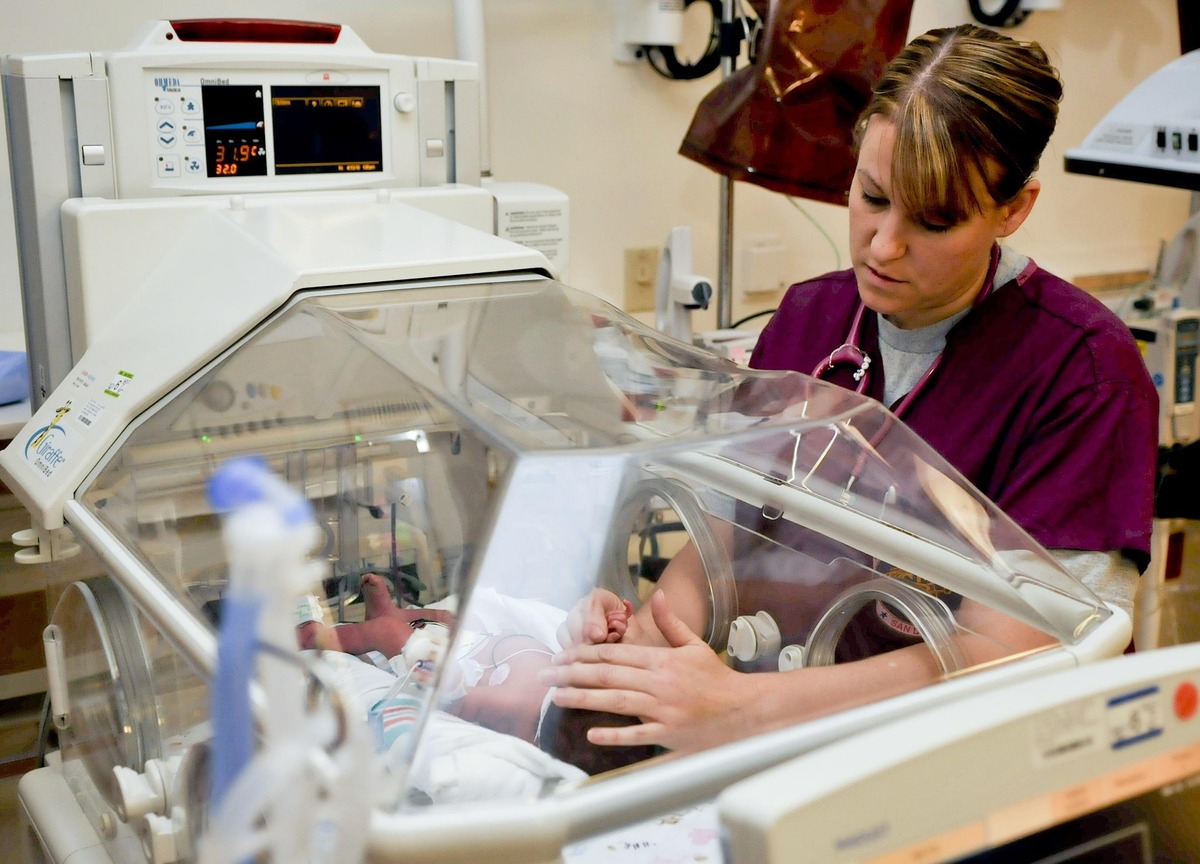
The engine driving this transformation is the Next-Gen Remote Patient Monitoring (RPM) Kit. These are not just gadgets; they are comprehensive, clinical-grade diagnostic suites that have successfully reduced hospital readmissions by a staggering 40% globally. For a travel and lifestyle platform like IntoTravels, where we celebrate freedom and mobility, this revolution represents the ultimate liberation: the ability to heal where you feel most at home.
What is the Hospital-at-Home (HaH) Model?
Hospital-at-Home is a clinical model that allows patients who would otherwise require inpatient hospitalization to receive acute-level care in their own homes. It is designed for "moderate-acuity" patients—those with conditions like congestive heart failure (CHF), pneumonia, or chronic obstructive pulmonary disease (COPD)—who are stable enough to be at home but require frequent monitoring.
In 2026, HaH is no longer a pilot program; it is a standard of care. By leveraging high-speed 6G connectivity and AI-native analytics, hospitals can now provide twice-daily nurse visits (physical or virtual) and 24/7 continuous oversight, all while saving roughly 30% in operational costs compared to traditional brick-and-mortar wards.
Anatomy of a 2026 Next-Gen Monitoring Kit
The 2026 RPM kit has evolved from a box of disconnected tools into a seamless, "Plug-and-Play" ecosystem. When a patient is discharged into the HaH program, they receive a kit that typically includes:
1. The Hub: The AI Edge Gateway
The heart of the kit is a dedicated tablet or smart hub. This device doesn't just collect data; it processes it locally using Edge AI. It acts as the primary communication portal for daily telehealth check-ins and provides the patient with "Grounded" medical education specific to their recovery phase.
2. Clinical-Grade Wearable Patches
Forget bulky straps. Modern RPM kits use Multi-Parameter Bio-Patches. These discrete, waterproof adhesives are worn on the chest and provide continuous tracking of:
ECG (Heart Rhythm)
Respiratory Rate
Skin Temperature
Body Posture (Fall Detection)
3. Smart Peripheral Diagnostics
Connected Blood Pressure Cuffs: These use "Oscillometric Waveform Analysis" to detect arterial stiffness in addition to standard pressure.
AI-Enhanced Pulse Oximeters: These monitor blood oxygen saturation ($SpO_2$) and can predict respiratory distress minutes before the patient feels short of breath.
Digital Scales with Bio-Impedance: For heart failure patients, these scales detect fluid retention (edema) by measuring the electrical resistance of body tissue—a critical "Early Warning" for potential readmission.
How It Reduces Readmissions by 40%
The "Magic" of the 40% reduction lies in the transition from Reactive to Proactive care. Traditional post-discharge care relies on the patient noticing a symptom and calling the doctor. In 2026, the AI Command Center notices the biological shift before the symptom even manifests.
1. Early Detection of "Silent" Deterioration
In conditions like heart failure, a patient might feel fine, but their smart scale detects a 2lb weight gain (fluid) and their bio-patch shows a slightly elevated resting heart rate. The AI flags this as a "Red Tier" alert. A nurse initiates a video call, adjusts the patient’s diuretic medication, and prevents a full-blown emergency room visit.
2. Eliminating "Hospital-Acquired" Complications
Hospitals are paradoxically dangerous places for the elderly. Risks of Hospital-Acquired Infections (HAIs), delirium from sleep deprivation, and "Deconditioning" (muscle loss from bedrest) are high. By healing at home, patients are 70% less likely to develop delirium and significantly more likely to remain mobile, which speeds up the recovery of the circulatory system.
3. Enhanced Medication Adherence
Next-gen kits include "Smart Pill Dispensers" that sync with the monitoring hub. If a patient misses a critical dose of a blood thinner, the hub alerts the care team. In 2026, non-adherence is the leading cause of readmission; RPM kits solve this through real-time accountability and support.
The "Human" Side: Satisfaction and Mental Well-being
Data shows that patients in HaH programs report 92% satisfaction rates. Healing in one's own bed, eating home-cooked food, and being surrounded by family reduces the physiological stress of recovery. This "Cortisol-Lowering" effect is not just about comfort—it is a biological catalyst for faster wound healing and immune response.
| Metric | Traditional Hospital | Hospital-at-Home (2026) |
|---|---|---|
| 30-Day Readmission Rate | ~15-20% | 7-9% (40%+ reduction) |
| Average Length of Stay | 4.9 Days | 3.2 Days |
| Risk of Infection | Higher (Clinical setting) | Near Zero (Home setting) |
| Patient Satisfaction | Moderate | High (90%+) |
| Total Cost of Care | Base Price | ~32% Savings |
Impact on Travel: Healing Without Borders
At IntoTravels, we see the "Hospital-at-Home" revolution as the foundation for "Medical Nomadism." In 2026, the "Home" in Hospital-at-Home is becoming a fluid concept.
With 5G/6G global coverage and standardized RPM kits, a patient recovering from a minor cardiac procedure can spend their "At-Home" recovery phase in a quiet seaside villa instead of a cramped apartment. As long as the kit is connected to the hospital's command center via satellite or cellular data, the "clinical walls" extend to wherever the patient chooses to be. This is the ultimate convergence of healthcare and travel—where recovery becomes an opportunity for a change of scenery.
The Challenges: Security and the "Digital Divide"
Despite the 40% reduction in readmissions, the HaH revolution faces two primary hurdles in 2026:
Cybersecurity: With medical data streaming wirelessly, "Zero-Trust Architecture" is mandatory. Hospitals now use blockchain-based encryption to ensure that a patient's vital signs cannot be intercepted or spoofed.
Equity: There is a risk that HaH will only benefit those with high-speed internet and stable housing. Governments are now mandating "Connectivity Grants" to ensure that RPM kits come with built-in satellite links for rural or underserved populations.
Conclusion: The Future is "Invisible"
The Hospital-at-Home revolution is the final step in making healthcare a service rather than a location. By 2026, the "Next-Gen" monitoring kit has proven that the best place to get well is exactly where you belong.
The 40% reduction in readmissions is just the beginning. As AI algorithms become more predictive and sensors become even less invasive (moving toward "Contactless Monitoring" via radar), the hospital of the future will be a specialized hub for surgery and trauma, while the "Ward" will be the world itself.
For the explorers at IntoTravels, this means a future where health is no longer a tether that keeps you anchored to a zip code, but a portable safety net that allows you to live, travel, and heal with confidence.


