
The Microplastics Reckoning: Health Clinics Launch First-Ever 'Plastic Load' Detox Protocols for Patients
For years, the conversation around microplastics was focused on the environment—the Great Pacific Garbage Patch, the impact on sea turtles, and the plastic-choked shorelines of remote islands. But as we move into 2026, the focus has shifted inward. The "Microplastics Reckoning" has arrived, and it is personal.
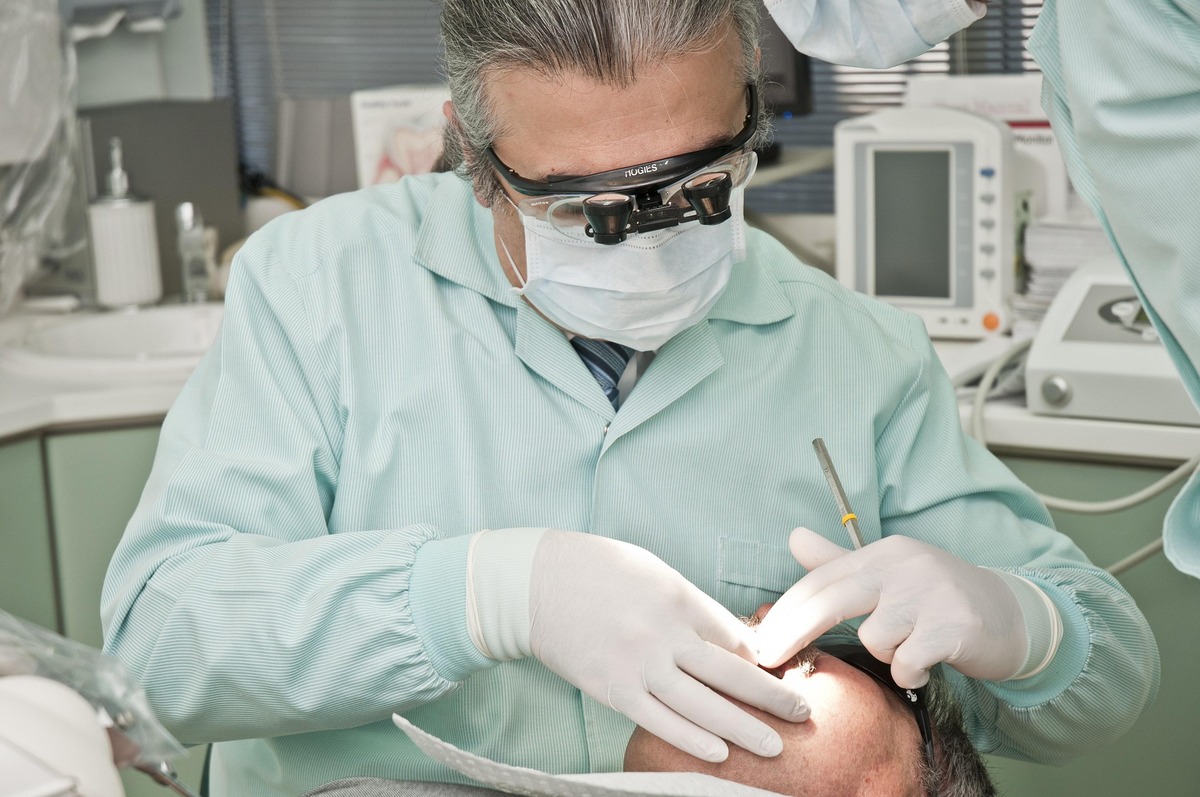
New clinical research has confirmed what many feared: these microscopic polymers are no longer just in the ocean; they are in our blood, our organs, and even our brains. In response, 2026 has seen a surge in specialized wellness clinics launching the first-ever "Plastic Load" Detox Protocols. This is the next frontier of bio-hacking and medical wellness, designed to measure and mitigate the invisible synthetic burden we carry.
The Invisible Burden: Measuring the 'Plastic Load'
Before you can detox, you must measure. In 2026, forward-thinking health clinics have introduced the Human Plastic Load (HPL) Assessment. This diagnostic suite uses advanced mass spectrometry and Raman spectroscopy to identify the concentration of specific polymers—such as polyethylene, polystyrene, and PVC—within a patient's biological samples.
Until recently, measuring microplastics in humans was a logistical nightmare. However, new forensic-inspired frameworks published early this year in journals like Environment & Health have provided clinics with a standardized language to communicate "plastic confidence" levels. For the traveler at intotravels.com, this means that "feeling sluggish" or "brain fogged" after a long trip can now be quantified: you aren't just tired; you might be carrying the metabolic weight of a plastic spoon.
Clinical Protocols: How 2026 Is Flushing the System
The detox protocols of 2026 are not "juice cleanses." They are sophisticated, medically supervised interventions designed to address the unique way plastic interacts with human tissue.
1. Therapeutic Apheresis and Plasmapheresis
The "gold standard" of the 2026 plastic detox is Therapeutic Apheresis. Similar to dialysis, this process involves circulating a patient's blood through a specialized filtration system that captures micro- and nanoplastics before returning the "cleaned" blood to the body. Clinics in Europe and North America are reporting significant reductions in vascular inflammation following these treatments, as the mechanical "grit" of the plastic is removed from the bloodstream.
2. Probiotic Adsorption Strategies
Researchers have discovered that certain strains of bacteria—specifically engineered "MP-Adsorbing Probiotics"—can bind to microplastics in the gastrointestinal tract. By taking these specialized supplements, patients can increase the excretion rate of ingested plastics by up to 34%, preventing them from crossing the gut barrier and entering the lymphatic system.
3. Binding Agents: Chlorella and Activated Charcoal
Borrowing from traditional heavy-metal detox methods, 2026 protocols often include high-dose binders like micronized chlorella and medical-grade activated charcoal. These agents act as "magnets" in the digestive tract, trapping microplastic particles and preventing their absorption.
Why Travelers are the Highest Risk Demographic
For the global community at intotravels.com, the microplastics reckoning is particularly urgent. The lifestyle of the modern traveler is, by necessity, plastic-heavy.
The Airport Bottleneck: Long-haul travelers are disproportionately exposed to bottled water, plastic-wrapped airline meals, and synthetic cabin air filters, all of which are primary sources of microplastic inhalation and ingestion.
Synthetic Textiles: High-performance travel gear—from moisture-wicking shirts to durable backpacks—is almost entirely made of synthetic fibers. Friction from movement sheds microplastics that can be absorbed through the skin or inhaled.
Global Variation: Plastic pollution levels vary by destination. Travelers visiting "plastic hotspots" may return with a significantly higher "Plastic Load" than when they departed.
The Health Implications: What Are We Cleaning Out?
The push for detox protocols isn't just about "feeling clean." In 2026, we have a much clearer understanding of the "Plastic Pathology."
Vascular Integrity: Microplastics have been found in carotid artery plaques, with studies showing that patients with "plastic-loaded" arteries have a 4.5-fold higher risk of cardiac events.
Neuro-Inflammation: Emerging research has linked nanoplastics in the brain to a surge in neurodegenerative symptoms, including memory loss and cognitive decline.
Reproductive Health: Microplastics have been detected in human testes, semen, and placentas, leading to a new category of "pre-conception plastic detox" for couples.
The 'At-Home' Defense: Beyond the Clinic
While clinical protocols are the most effective, clinics in 2026 are also teaching patients how to maintain a "Low-Plastic Lifestyle" to prevent re-accumulation.
1. The High-Fiber Anchor
Clinics now recommend a "Hyper-Fiber" diet (approaching 150 grams per day) for those in detox. High fiber intake increases "bowel transit time," giving microplastics less time to settle and embed themselves in the intestinal lining.
2. Anthocyanin Loading
Antioxidants like anthocyanins (found in purple and blue fruits like grapes and berries) are being used to combat the specific oxidative stress caused by microplastics. These compounds help "shield" cells from the inflammatory signals sent by embedded plastic shards.
3. The Stainless Steel Transition
The most basic advice from 2026 clinics? Stop the source. Swapping plastic bottles for glass or stainless steel and avoiding hot beverages in plastic-lined disposable cups can reduce daily microplastic intake by thousands of particles.
The Future: Toward 'Global Plastic Monitoring'
As we look toward the end of 2026, the "Lancet Countdown on Health and Plastics" is becoming the primary metric for global wellness. We are moving toward a world where your "Plastic Score" will be as common a health marker as your cholesterol or blood pressure.
Clinics are already experimenting with "Biological Bio-Remediation," using enzymes that can break down polyethylene inside the human body—a technology that was once purely the domain of waste-management facilities.
Conclusion: Reclaiming Our Biological Purity
The Microplastics Reckoning of 2026 is a wake-up call. We have realized that we cannot separate our health from the health of our planet. Every piece of plastic we threw "away" has eventually found its way back to us.
For the explorers at intotravels.com, the message is clear: the most important destination of 2026 is a state of biological purity. By engaging with these new detox protocols and adopting a low-plastic lifestyle, you are doing more than just "cleaning your system." You are reclaiming your body from the synthetic world.
The journey to wellness now requires a "clean out" of the invisible. It’s time to shed the plastic load and travel light—in every sense of the word.
Comparison: Traditional Detox vs. 2026 Plastic Detox
| Feature | Traditional Detox (Juice/Herbs) | 2026 Plastic Load Detox |
|---|---|---|
| Primary Target | Metabolic Waste / Alcohol | Micro- and Nanoplastics |
| Measurement | Subjective (How you feel) | HPL (Human Plastic Load) Testing |
| Key Intervention | Diet / Fasting | Apheresis / Probiotic Adsorption |
| Mechanism | Liver Support | Mechanical Filtration & Binding |
| Travel Benefit | General Energy | Mitigating "Cabin Air" & Bottled Water Load |
| Evidence Base | Often Anecdotal | Forensic Mass Spectrometry |


