
The Over-Optimization Backlash: Why 2026 is the Year Consumers Swap Wearables for 'Digital Detox' Retreats
For the better part of this decade, the wellness industry has been obsessed with data. We have tracked our steps, our sleep stages, our blood glucose, and even our microscopic nutrient intake in real-time. We have optimized our diets through DNA sequencing and synced our supplements with smart dispensers. By the start of 2026, the human body had become the most monitored piece of equipment on the planet.
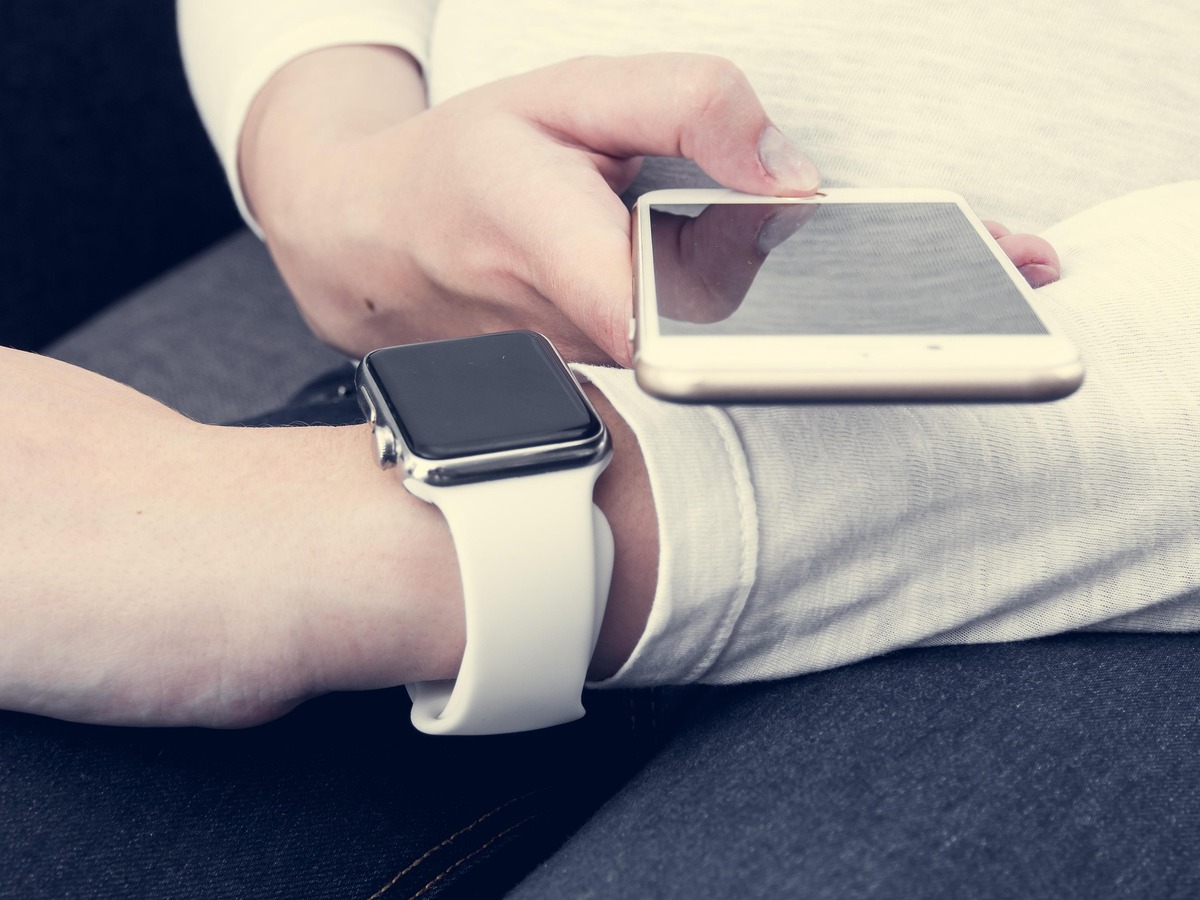
However, a significant shift is occurring. As we move deeper into the year, a growing "Over-Optimization Backlash" has taken hold. Consumers are beginning to realize that while data is powerful, the constant pressure to "perform" according to an algorithm has led to a new form of modern burnout. The very tools meant to free us—wearables, smart apps, and bio-tracking sensors—have, for many, become digital leashes.
In 2026, the ultimate luxury is no longer a high-tech bio-hack; it is the freedom to be untracked. This article explores the rise of Digital Detox retreats and why "Intuitive Living" is replacing "Data-Driven Living" as the pinnacle of wellness on intotravels.com.
The Rise of 'Bio-Anxiety' and the Data Fatigue
The backlash is rooted in a phenomenon psychologists in 2026 are calling "Bio-Anxiety." This is the stress caused by the constant feedback loop of wearable devices. When a smartwatch tells a user they had a "poor recovery" night, even if the user feels refreshed, the psychological impact of the data often ruins their day. We have outsourced our intuition to our devices, losing the ability to simply "feel" how our bodies are doing.
The year 2026 has become the tipping point for Data Fatigue. Consumers are tired of:
The "Quantified Self" Pressure: The feeling that a workout doesn't "count" if the sensor didn't track it.
Algorithmic Guilt: Receiving notifications that you haven't met your stand goal or that your glucose levels are slightly elevated after a celebratory meal.
Digital Noise: The constant vibration and buzzing of health alerts that interrupt the very "flow state" they are supposed to help us achieve.
The Retreat Revolution: From High-Tech to No-Tech
As a result of this fatigue, the travel industry is seeing a surge in demand for Digital Detox Retreats. These are not just standard vacations; they are designed as "rehabilitation" for the over-optimized mind.
1. The 'Analogue' Immersion
In 2026, the most sought-after retreats on intotravels.com are those that require guests to surrender all electronic devices upon check-in. This includes smartphones, smartwatches, and even bio-trackers. These retreats replace digital screens with analogue experiences—journaling with pens, navigating with paper maps, and telling time by the sun.
2. Silent and Dark Retreats
The backlash has led to a fascination with sensory deprivation. "Dark Retreats," where guests spend several days in total darkness to reset their internal rhythms without the interference of blue light or digital data, have moved from niche spiritual practices to mainstream wellness trends.
3. Nature-First Bio-Harmony
Instead of using a smart-dispenser to adjust nutrients, these retreats focus on "Wild Foraging" and "Earthing." The goal is to synchronize the body with the earth's natural frequency rather than a digital clock. Travelers are finding that three days of walking barefoot on a beach or in a forest provides a more profound "reset" than months of calculated supplementation.
Why 2026 is the Year of 'Intuitive Living'
The backlash has birthed a new philosophy: Intuitive Living. This is the belief that the human body has millions of years of evolutionary intelligence that no AI can fully replicate.
In 2026, wellness is being redefined by:
Internal Awareness: Learning to listen to hunger cues, fatigue signals, and emotional states without checking an app first.
Unmeasured Movement: Engaging in play, dance, or hiking for the sheer joy of it, rather than to hit a specific heart-rate zone.
Spontaneous Nutrition: Eating seasonally and locally based on what looks and smells fresh, rather than what a DNA-synced subscription dictates.
The Role of intotravels.com in the Detox Era
For the community at intotravels.com, this shift is a return to the true spirit of travel. Exploration was always meant to be an escape from the "known" and the "measured."
Seeking 'Off-Grid' Destinations
The most popular destinations in 2026 are those where "connectivity" is naturally limited. High-altitude mountain huts, remote island eco-lodges, and desert camps are seeing a record influx of travelers. These locations offer a "forced detox," allowing the nervous system to downregulate in a way that is impossible in a 5G-saturated city.
The New 'Wellness Concierge'
Modern travel concierges are no longer boasting about high-speed Wi-Fi. Instead, they are highlighting their "Signal-Shielded Suites" and "Faraday Spas"—areas designed specifically to block all electromagnetic frequencies, allowing for deep, uninterrupted cellular rest.
Is Bio-Tracking Dead? The Hybrid Future
It is important to note that the backlash doesn't mean the end of wellness technology. Instead, 2026 is seeing the rise of a Hybrid Model.
People are moving away from continuous tracking and toward episodic tracking. A consumer might use a high-tech wearable for one week a month to check their baseline markers, and then spend the remaining three weeks entirely "offline." We are moving from "Obsessive Monitoring" to "Mindful Checking."
Technology is also becoming more "invisible." The smartwatches of 2026 are being replaced by smart rings or even smart fabrics that track data without the intrusive screens and notifications. The goal is to have the data available if needed, but not to let the data lead the life.
The Psychological Freedom of Being Unseen
There is a profound psychological release that comes with being "untracked." In a world where every move is recorded, the act of disappearing—digitally—is the ultimate form of rebellion.
Digital detox retreats in 2026 focus on "Present-Moment Awareness." When you aren't thinking about how your heart rate variability looks on a graph, you are free to actually look at the sunset. When you aren't worried about your sleep score, you actually sleep better. The irony of the over-optimization era is that we became so focused on the metrics of health that we forgot to actually be healthy.
Conclusion: Reclaiming the Human Experience
The Over-Optimization Backlash of 2026 is a healthy correction in our relationship with technology. We have spent years trying to turn our bodies into perfectly efficient machines, only to realize that the beauty of being human lies in our imperfections, our spontaneity, and our mystery.
For the explorers at intotravels.com, 2026 is the year to leave the wearables on the nightstand and take the journey into the unknown. It is the year to trade the "smart-dispenser" for a local meal shared with strangers, and the "sleep-tracker" for the sound of the wind in the trees.
The most important data point you will ever have is the one that tells you you are happy, present, and free. And for that, you don't need an app. You just need to go.
The Shift: From Optimized to Intuitive (2026 Trends)
| Feature | The Optimization Peak (2023-2025) | The Detox Backlash (2026) |
|---|---|---|
| Primary Tool | Wearable Sensors / Smart Apps | Digital Detox Retreats / Nature |
| Success Metric | Data Scores / Percentiles | Presence / Mental Peace |
| Nutrition | DNA-Synced / Precision Dosing | Foraged / Seasonal / Intuitive |
| Exercise | Zone-Tracking / Measured | Play / Movement for Joy |
| Travel Goal | Bio-Hacking Destinations | Off-Grid / Signal-Shielded Escapes |
| Mindset | Body as a Machine | Body as an Ecosystem |


