
The "Pleasure-as-Medicine" Movement: Clinical Trials Validate the Use of Intimate Devices for Chronic Pain Relief
For decades, the worlds of clinical medicine and intimate wellness existed in separate spheres. One was focused on the sterile environment of hospitals and pharmaceutical intervention, while the other was relegated to the lifestyle and consumer goods sector. However, the year 2026 has witnessed a historic convergence. We are now seeing the official birth of the "Pleasure-as-Medicine" movement, a paradigm shift where intimate devices are being prescribed as legitimate therapeutic tools for the management of chronic pain.
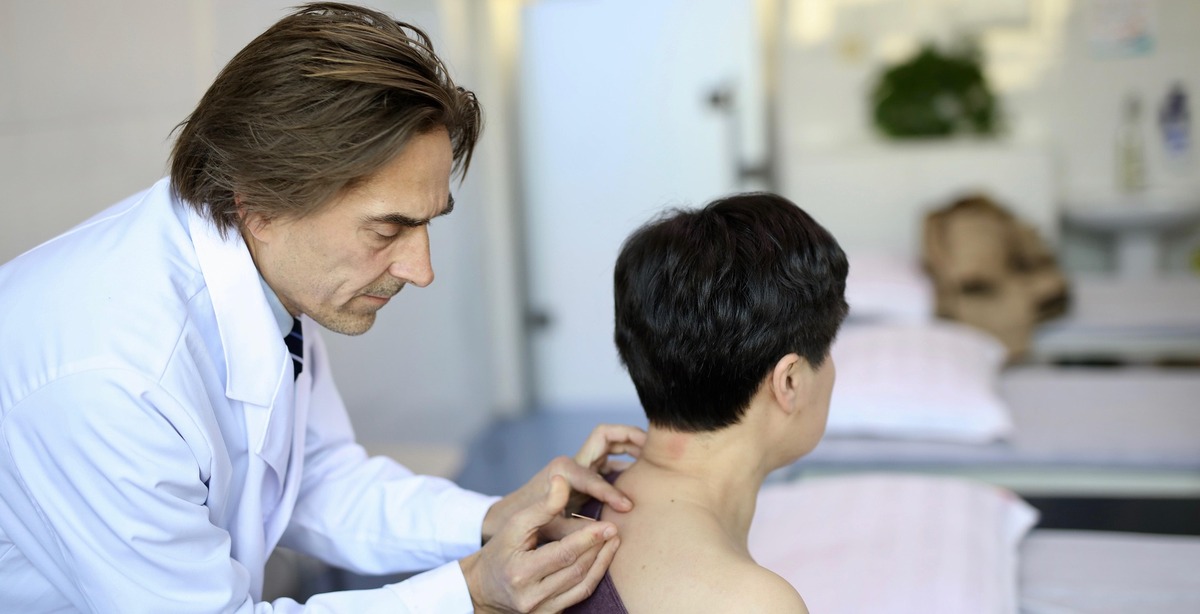
Supported by a wave of groundbreaking clinical trials, the medical community is finally acknowledging a physiological truth that has been overlooked for over a century: the human nervous system’s capacity for pleasure is one of its most potent mechanisms for neutralizing pain. On the platform IntoTravels, where we explore the intersection of wellness, technology, and the freedom of movement, this movement represents a new frontier in holistic health.
The Science of Pain Gate Control
To understand why the medical community is now prescribing intimate devices, we must look at the Gate Control Theory of Pain. This neurological principle suggests that the spinal cord contains a neurological "gate" that either blocks pain signals or allows them to continue to the brain.
Non-painful input—specifically high-frequency vibration and tactile pleasure—competes with pain signals for access to this gate. When an intimate device is used, the rhythmic, high-frequency stimulation travels through large-diameter nerve fibers, effectively "closing the gate" to the slower, smaller nerve fibers carrying chronic pain signals. In 2026, this isn't just theory; high-resolution neuroimaging has shown that focused intimate stimulation can reduce activity in the brain’s "pain matrix" by up to 60% in some patients.
Key Clinical Trials: The Data Behind the Movement
The 2026 surge in "Pleasure-as-Medicine" is anchored by three major clinical trials that concluded late last year. These studies have provided the "Gold Standard" evidence required for physicians to move beyond anecdotal recommendations.
1. The Pelvic Chronic Pain Study (PCP-2025)
This double-blind study focused on patients with chronic pelvic pain syndromes, including endometriosis and interstitial cystitis. The results showed that patients who utilized specialized biofeedback-enabled intimate devices for 15 minutes a day reported a significant reduction in localized inflammation and a 45% decrease in daily pain scores. The vibration was found to increase blood flow to pelvic tissues, accelerating cellular repair and relaxing hypertonic (over-tight) muscles.
2. The Endorphin-Release Trial for Fibromyalgia
Fibromyalgia is characterized by widespread musculoskeletal pain. This trial investigated the role of oxytocin and endorphins—the body’s natural painkillers—triggered by intimate wellness tools. The data revealed that regular "pleasure sessions" triggered a systemic release of neurochemicals that provided pain relief comparable to low-dose opioids, but without the risk of addiction or side effects.
3. The Migraine and Tension Headache Protocol
Perhaps the most surprising trial involved the use of haptic-vibration tools to treat chronic tension headaches. By stimulating the vagus nerve and triggering a parasympathetic "rest and digest" response through intimate wellness, patients were able to abort migraine attacks in their early stages, proving that the benefits of intimate health extend far beyond the pelvic region.
The "Pleasure Prescription": A New Category of Medical Device
In 2026, we are seeing the emergence of "Prescription-Grade" Intimate Tools. These are not your average consumer products; they are engineered with specific medical parameters in mind.
Variable Frequency Oscillations: Unlike standard tools, medical-grade devices use specific frequencies (measured in Hertz) known to desensitize nerve endings and reduce muscle spasms.
Thermal Modulation: New 2026 devices include precise "Heat and Cold" therapy. Controlled warmth is used to increase tissue elasticity, while localized cooling is used to numb acute inflammatory pain.
AI-Haptic Feedback: These tools sync with the "Digital Twins" of the patient, adjusting the intensity based on the patient's real-time pain levels and heart rate variability (HRV).
Impact on Travel: The Portable Pain Relief Kit
For the community at IntoTravels, the "Pleasure-as-Medicine" movement is a massive win for mobility. Chronic pain is one of the leading reasons people stop traveling. Long-haul flights, uncomfortable hotel beds, and the physical exertion of exploring new cities can trigger debilitating flare-ups.
The Discrete Travel Companion: In 2026, travel-sized therapeutic devices are as common in a carry-on bag as ibuprofen. They are quiet, USB-C rechargeable, and look like high-end wellness gadgets rather than medical equipment.
Managing "Travel Stress": Travel-induced stress often tightens the pelvic and lower back muscles. Using these tools as a "preventative" measure before bed ensures that a traveler wakes up with a relaxed musculoskeletal system, ready for another day of exploration.
Non-Pharmaceutical Relief: For international travelers, navigating foreign pharmacies for pain medication can be a nightmare. A "Pleasure-as-Medicine" tool provides a self-contained, drug-free alternative that works anywhere in the world.
Comparison: Pharmaceutical vs. Pleasure-Based Pain Management
| Feature | Opioid/NSAID Medication | Intimate Device Therapy (2026) |
|---|---|---|
| Side Effects | Nausea, addiction, liver strain. | None (Positive hormonal boost). |
| Mechanism | Chemical blockage of receptors. | Neurological gate control & Hormonal release. |
| Accessibility | Requires recurring refills. | One-time hardware purchase. |
| Mental Health | Can cause "brain fog" or depression. | Improves mood and sleep quality. |
| Precision | Systemic (affects whole body). | Localized and targeted. |
The Role of the "Wellness Coach" and AI
In 2026, the prescription of these tools is often accompanied by an AI Wellness Coach. These apps guide the patient through "Therapeutic Protocols."
Biofeedback Integration: The app monitors the patient's pelvic floor tension or heart rate and instructs them on how to use the device to reach the "Therapeutic Threshold"—the point where pain relief is most effective.
Progress Tracking: Patients can log their "Pain-Free Hours" following a session, allowing their doctor to see the direct correlation between pleasure and pain reduction over weeks and months.
Ethical Frontiers: Breaking the Final Taboo
The "Pleasure-as-Medicine" movement is also a cultural revolution. It requires breaking the final taboos surrounding self-pleasure and the human body.
Medical Training: Medical schools in 2026 have officially added "Intimate Wellness and Pain Management" to their curricula, ensuring that the next generation of doctors is comfortable discussing these options with patients.
Insurance Coverage: In a landmark decision in early 2026, several major insurance providers began covering the cost of "FDA-Cleared Therapeutic Intimate Devices" for patients with documented chronic pain, recognizing that a one-time device purchase is significantly cheaper than a lifetime of pain medication.
Conclusion: The Healing Power of the Self
The "Pleasure-as-Medicine" movement is a testament to the sophistication of the human body. It proves that we carry our own medicine cabinet within our nervous system—we just needed the right tools to unlock it.
By 2026, we have moved past the shame and into a world of biological pragmatism. Whether you are at home or wandering the globe with IntoTravels, your intimate wellness is now recognized as a cornerstone of your physical health. Pleasure is no longer just a luxury; it is a vital, scientifically-validated tool for a life free from the constraints of chronic pain.
The future of medicine is here, and it is more compassionate, more personal, and more pleasurable than we ever imagined.


