
The Rise of Smart Hearables: Over-the-Counter Hearing Aids Now Feature Real-Time Language Translation and Vital Tracking
The year 2026 marks a historic turning point in the evolution of personal technology. For decades, the hearing aid was viewed strictly as a medical necessity—a discrete, often stigmatized device used to manage age-related or noise-induced hearing loss. However, a radical shift in regulation and technological convergence has birthed a new category of consumer electronics: The Smart Hearable.
With the global expansion of Over-the-Counter (OTC) hearing aid legislation, these devices have shed their medical clinicality. Today, the modern hearable is a sophisticated, multifunctional wearable that rivals the most advanced smartphones. By integrating real-time language translation and clinical-grade vital tracking, the hearable has become the "ultimate digital portal" for the 2026 traveler and health-conscious professional.
The OTC Revolution: How Accessibility Sparked Innovation
The journey to the 2026 hearable boom began in late 2022, when the FDA and subsequent international bodies allowed hearing aids to be sold directly to consumers without a prescription. This move broke the "Audiology Monopoly," allowing tech giants like Apple, Sony, and specialized startups to enter the space with a "consumer-first" mindset.
From Correction to Augmentation
In 2026, we no longer talk about "fixing" hearing; we talk about "Audio Augmentation." High-end OTC hearables now feature "Focus Modes" that allow users with perfect hearing to isolate a single voice in a crowded restaurant—a concept known as the "Cocktail Party Effect" solved by AI. This mainstream appeal has stripped away the stigma, making it as common to see a 25-year-old wearing a smart hearable as it is to see them wearing a smartwatch.
Real-Time Language Translation: The End of the Language Barrier
For the travel community at IntoTravels, the most transformative feature of 2026 hearables is Binaural Real-Time Translation. We have finally moved past the era of holding up a phone between two people to communicate.
How it Works in 2026:
Whisper Integration: Utilizing low-latency "Whisper" AI models, hearables can now process foreign speech and provide a "Voice-Over" translation directly into the user’s ear in under 200 milliseconds.
Contextual Nuance: Unlike early translators, 2026 AI understands local dialects and slang. If you are in a market in Mexico City or a cafe in Tokyo, the hearable adjusts its vocabulary to match the regional context.
Natural Dialogue Flow: With "Transparency Mode," the hearable allows the user to hear the original speaker’s tone and emotion in the background while the translated text is spoken softly in the foreground. This creates a "subtitled reality" that feels like a natural conversation.
Vital Tracking: The "Hospital in Your Ear"
While the wrist has long been the primary location for health tracking, 2026 has proven that the ear is a far superior site for clinical-grade data. The skin inside the ear canal is thin, and the proximity to the brain and major arteries allows for unparalleled biometric accuracy.
1. Core Temperature Monitoring
Hearables now provide continuous Core Body Temperature tracking. This is a significantly more accurate metric than skin temperature measured on the wrist. In 2026, this is used to detect the earliest signs of infection, track ovulation cycles with precision, and monitor for heatstroke during strenuous travel treks.
2. Clinical-Grade PPG (Heart Rate & $SpO_2$)
The ear canal is a "stable" environment. Unlike the wrist, which moves constantly, the ear allows the Photo-Plethysmography (PPG) sensors to maintain a constant lock on blood flow. This enables 2026 hearables to detect Atrial Fibrillation (AFib) and blood oxygen fluctuations with a 99% accuracy rate, comparable to hospital bedside monitors.
3. Neural Stress Analysis
Some high-end 2026 hearables have integrated EEG (Electroencephalogram) sensors that monitor brainwave activity. By analyzing alpha and beta waves, the device can detect "Cognitive Load" and stress levels. If the device senses you are becoming overwhelmed in a chaotic travel terminal, it can automatically initiate "Active Noise Cancellation" and suggest a 2-minute guided breathing session.
The "Silent" Design: Form Factor and Battery Breakthroughs
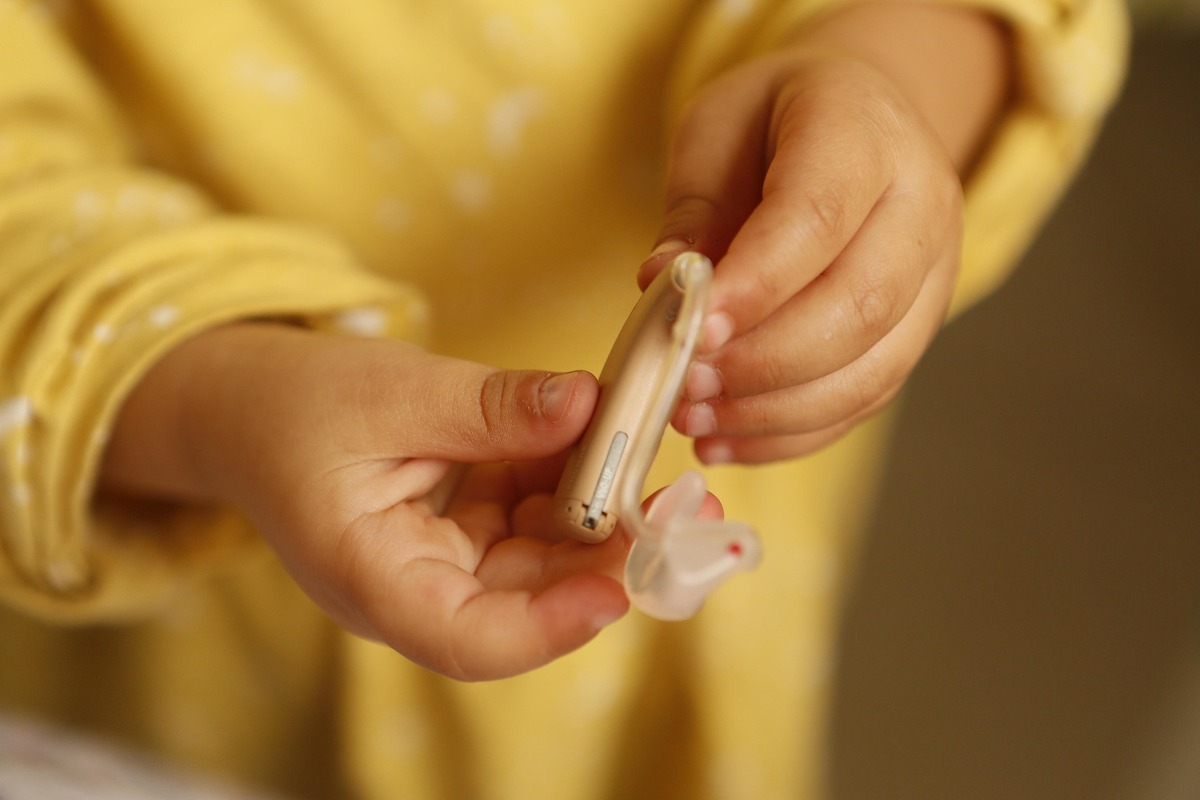
The hearables of 2026 are nearly invisible. The "Beige Banana" designs of the past have been replaced by two distinct styles:
The "In-Canal" Pearl: A tiny, jewel-like device that sits entirely inside the ear.
The "Fashion Cuff": A device that clips onto the cartilage of the ear, using bone conduction to deliver sound, popular among those who don't like the feeling of plugged ears.
Solid-State Batteries
The RAM and battery crisis mentioned in earlier years led to the adoption of Solid-State Batteries for hearables in 2026. these batteries are smaller, safer, and offer 24 hours of continuous translation and tracking on a single 15-minute charge.
Impact on the Travel Experience: A 2026 Case Study
Imagine a solo traveler navigating the Silk Road in 2026. Their smart hearables are their most essential piece of gear:
Morning: The hearable wakes the traveler with a gentle audio "Sunlight" simulation and provides a summary of their sleep quality and recovery score.
Afternoon: While navigating a remote village, the traveler uses the hearable to ask for directions. The device translates the local elder’s response instantly. Simultaneously, the hearable detects the traveler’s hydration levels are low due to the rising core temperature and suggests a water break.
Evening: During a group dinner with fellow travelers from five different countries, the "Multi-Channel Translation" mode allows the traveler to follow three different languages at the table simultaneously, seamlessly switching focus based on who is speaking.
Comparison: Traditional Hearing Aids vs. 2026 Smart Hearables
| Feature | Traditional Hearing Aid (2020) | Smart Hearable (2026) |
|---|---|---|
| Purchase Path | Medical Prescription Required. | Over-the-Counter (Direct-to-Consumer). |
| Primary Function | Sound Amplification. | Translation, Vitals, AI Assistant. |
| Health Tracking | None. | ECG, $SpO_2$, Core Temp, EEG. |
| Connectivity | Proprietary/Limited Bluetooth. | Bluetooth 6.0, LE Audio, 6G Sync. |
| Social Perception | Medical Stigma. | High-Tech Fashion/Productivity Tool. |
Challenges: Data Privacy and "Acoustic Overload"
The rise of the "Always-On" ear hasn't been without controversy.
The Privacy of the "Other": When a hearable translates a conversation, is it recording it? In 2026, new "Digital Consent" protocols require hearables to emit a specific ultrasonic signal that tells other devices they are in "Translation Mode," ensuring data is processed locally and deleted instantly.
Acoustic Isolation: Psychologists worry about "Digital Cocooning," where people never turn off their noise cancellation, leading to a loss of connection with the natural environment.
Conclusion: The Ultimate Interface for the Human Experience
The smart hearables of 2026 have moved the "Interface" from our hands to our heads. By combining the power of an AI translator, a medical-grade health monitor, and a high-fidelity audio system, these devices have become the most intimate technology we own.
For the explorers at IntoTravels, the smart hearable represents the end of the "stranger" and the "unfamiliar." We can now walk into any corner of the globe with the confidence that we can understand the language, monitor our health, and stay connected to our digital lives—all through a device that is as discrete as a whisper.


