
The "Solo-Moon" Phenomenon: Why more newlyweds are choosing to take separate post-wedding vacations to preserve individuality
For generations, the honeymoon has been the ultimate symbol of marital union. The script was predictable: a shared suitcase, a tropical destination, and two people spending every waking moment together to celebrate their "oneness." But as we move through 2026, the traditional honeymoon is undergoing a radical transformation. A new trend is taking over the travel industry, particularly among Gen Z and Millennial couples: The "Solo-Moon."
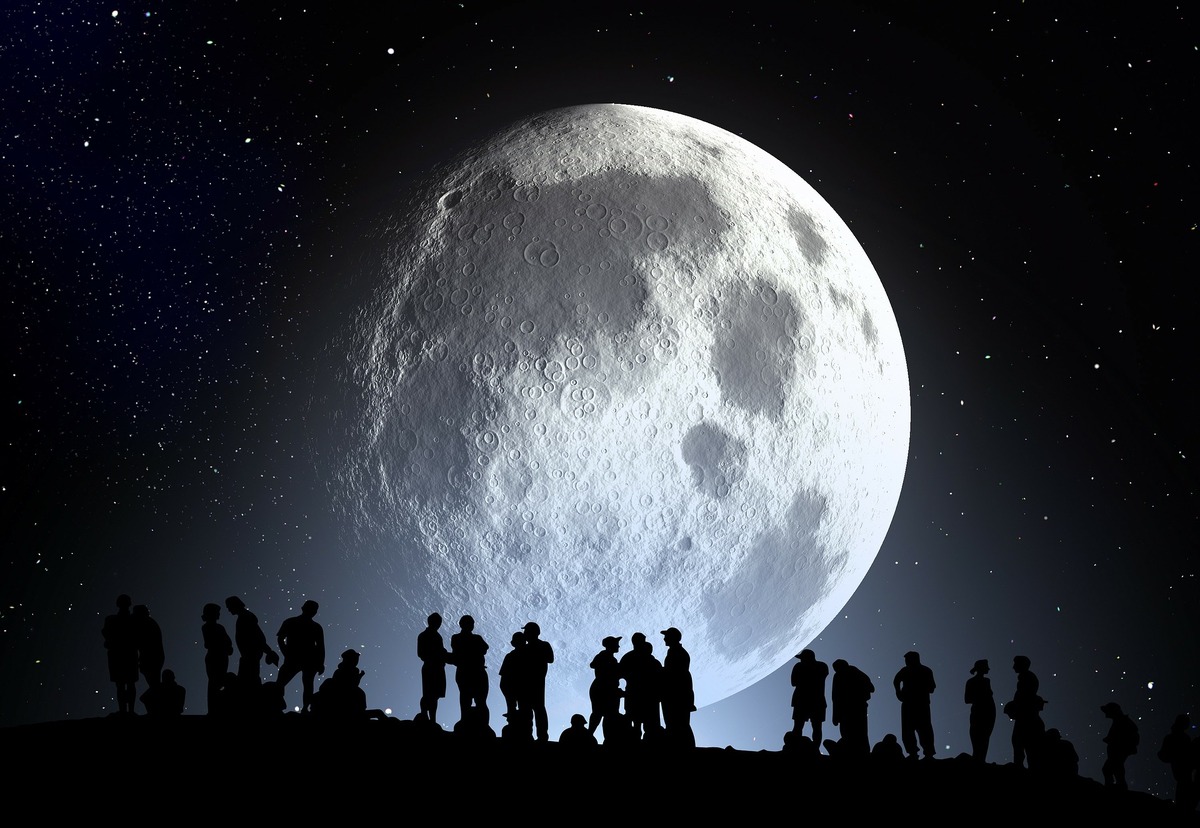
The Solo-Moon is exactly what it sounds like—a post-wedding vacation where the newlyweds head in opposite directions. Instead of a shared trip to the Maldives, one partner might head to a silent meditation retreat in Bhutan while the other embarks on a high-octane surfing trip in Portugal.
For the modern traveler and the audience at Into Travels, this isn't seen as a sign of a troubled marriage. On the contrary, it is being hailed as the ultimate act of relationship maturity. It is a conscious choice to preserve individuality, honor personal interests, and start a marriage on a foundation of independence rather than codependency.
The Evolution of Autonomy in Marriage
To understand the Solo-Moon, we have to look at the shifting philosophy of modern relationships. The "Better Half" narrative—the idea that you are an incomplete person until you find your partner—is rapidly being replaced by the "Whole Person" model.
Today’s couples often marry later in life. By the time they say "I do," they have established careers, distinct hobbies, and deeply ingrained travel styles. They have spent a decade or more traveling solo or with friends. The idea of "merging" their entire identity into a single travel itinerary feels less like a celebration and more like a compromise.
The Solo-Moon is a rejection of the "compromise trip." It is a recognition that just because you love someone doesn't mean you want to spend eight days at a museum they love but you find incredibly dull.
Why 2026 is the Year of the Solo-Moon
Several cultural and logistical factors have converged to make separate honeymoons the hottest travel trend of the year.
1. The "Revenge of the Bucket List"
Post-pandemic travel created a massive backlog of "must-see" destinations. Many individuals have a specific place they’ve dreamed of visiting for years. If a partner doesn't share that specific dream, the Solo-Moon allows both individuals to check off their highest-priority bucket list items without feeling like they are "dragging" their partner along.
2. Specialized Travel Interests
We are living in an era of hyper-niche travel. Whether it’s "Bio-Hacking Retreats," "Extreme Volcanology Tours," or "Gastronomy Research Trips," travel has become highly specialized. When one partner is a professional athlete and the other is a history scholar, finding a "middle ground" destination often leaves both feeling slightly unsatisfied. The Solo-Moon ensures 100% satisfaction.
3. Emotional Decompression
Planning a wedding in 2026 is an Olympic-level feat of logistics and social performance. For many, the wedding itself is "the social event." By the time it's over, many newlyweds are socially exhausted. A Solo-Moon offers a period of Introverted Recovery—a chance to process the massive life change in solitude before beginning the shared work of building a household.
The Psychological Benefits: Starting Marriage on "Whole" Ground
Psychologists specializing in modern relationships are increasingly supportive of the Solo-Moon. They point to several key benefits that can actually strengthen a marriage in the long run.
Preventing Early Resentment
Resentment often starts in the small stuff. If one partner spends the entire honeymoon feeling guilty for wanting to go hiking while the other wants to nap by the pool, that guilt can turn into a subtle "debt" that is carried into the marriage. By traveling separately, couples remove the opportunity for early-marriage resentment.
The "Missing You" Factor
Absence truly can make the heart grow fonder. After the intense togetherness of wedding planning and the big day itself, a brief period of separation allows couples to miss each other. It creates a "re-entry" period where they have new stories, photos, and experiences to share with one another when they reunite.
Preserving the "Self"
In the first year of marriage, it is easy to lose one's sense of self in the "we." The Solo-Moon serves as a powerful psychological anchor. it says, "I am still the person who can navigate a foreign city alone. I am still the person with my own passions." This internal strength makes for a more resilient partnership.
How to Navigate the "Solo-Moon" (A Guide for Couples)
If you are considering a Solo-Moon, communication is key. It isn't about escaping your partner; it’s about pursuing your best self. Here is how modern couples are structuring these trips:
| Traditional Honeymoon | The Solo-Moon |
|---|---|
| Duration: 10-14 days together. | Duration: 5-7 days apart, followed by 3 days together. |
| Focus: Shared memories and romance. | Focus: Personal growth and adventure. |
| Logistics: Single itinerary, shared budget. | Logistics: Independent itineraries, separate "passion" budgets. |
| Communication: Constant. | Communication: "Check-in" windows to share highlights. |
The "Hybrid-Moon" Strategy
Most couples on Into Travels aren't spending the entire honeymoon apart. The most popular version of this trend is the "Hybrid-Moon." The couple flies together to a central hub (like Bangkok or Paris). They spend two days together, then split up for five days to pursue their separate interests, and finally reunite in a third location for a final "shared" weekend before flying home.
The Industry Response: Solo-Moon Packages
The travel industry is pivoting quickly to accommodate this trend. Luxury resorts are now offering "Solo-Moon Wings" that cater to married individuals traveling alone. These wings offer communal dining tables for solo travelers to meet other like-minded people, ensuring that "solo" doesn't mean "lonely."
Airlines are also getting in on the action with "Multi-City Duo" tickets, allowing a couple to book two separate destinations under a single booking reference, often with a discounted "reunion" flight at the end of the trip.
Addressing the Critics: Is it a Red Flag?
Critics of the Solo-Moon often argue that if you want to be alone immediately after getting married, you shouldn't have gotten married at all. However, this view is increasingly seen as outdated and rooted in a possessive model of love.
In 2026, the hallmark of a healthy relationship is interdependence, not codependence. A couple that is secure enough to allow each other space to breathe and explore is a couple that is built to last. The Solo-Moon isn't a sign of "drifting apart"; it’s a sign of a relationship that is strong enough to handle independence.
Conclusion: A New Era of Togetherness
The Solo-Moon phenomenon is a testament to how much we have evolved as travelers and as partners. We are no longer willing to sacrifice our personal growth for the sake of tradition.
For the digital nomads, the adventurers, and the dreamers who make up the Into Travels community, the Solo-Moon is a beautiful evolution. It allows us to keep our wanderlust alive while simultaneously building a life with someone we love. It proves that you can be "ours" while still remaining firmly "yours."
As we look toward the future of travel, one thing is clear: the most romantic thing you can give your partner is the freedom to be themselves.


