
Underwater Parks: The 2026 Expansion of Global Marine Sanctuaries You Can Visit
For centuries, the concept of a "National Park" was tethered firmly to the earth—towering redwoods, sweeping canyons, and vast savannas. But as we navigate through 2026, the frontier of conservation has submerged. This year marks a historic expansion of Global Marine Sanctuaries, transforming the world's oceans into "Underwater Parks" that are as protected, managed, and accessible as any terrestrial wilderness.
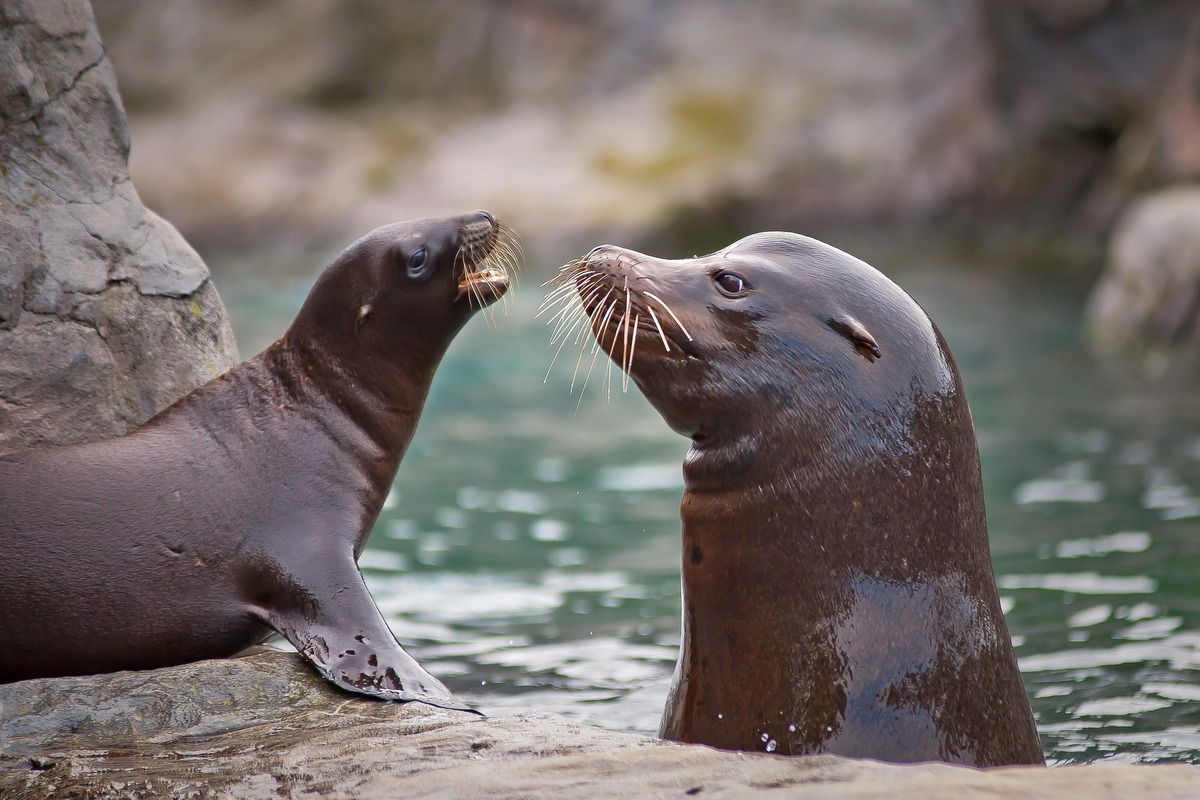
Driven by the global "30x30" initiative—the goal to protect 30% of the world's oceans by 2030—2026 has seen the opening of massive new blue corridors. For the travelers of intotravels.com, this means a new era of "Subsurface Tourism." These aren't just coral reefs; they are managed sanctuaries where you can witness the regeneration of the planet in real-time.
1. The 2026 Shift: Why Underwater Parks Are Trending
The rise of the Underwater Park in 2026 is the result of a shift in how we view marine conservation. Historically, Marine Protected Areas (MPAs) were "no-go" zones meant for scientists only. Today, the world has embraced "Regenerative Access." ### The Blue Economy of Travel
Governments have realized that a living whale or a thriving kelp forest is worth significantly more in tourism revenue than an extracted one. In 2026, the expansion of these parks is funded by "Blue Bonds"—investments that rely on sustainable tourism to repay conservation costs. As a result, 2026 sanctuaries feature:
Digital Permitting: Real-time tracking of visitor numbers to prevent "Overtourism" on sensitive reefs.
Eco-Infrastructure: Underwater trails, educational buoy systems, and designated "Silent Zones" for non-motorized exploration.
2. The Great Blue Wall: The Western Indian Ocean Expansion
One of the most significant 2026 expansions is the Great Blue Wall, a network of marine parks stretching from the coast of Kenya down to South Africa.
The Seychelles "Deep Blue" Addition
In 2026, the Seychelles has added another 100,000 square kilometers to its protected waters, specifically focusing on its deep-sea plateaus.
What to See: This is the premier spot for "Blue Safaris." Travelers can join guided expeditions to see the migration of manta rays and the recovery of the Aldabra giant tortoises in their coastal habitats.
The Tech: Many lodges now provide "Remote-Operated Vehicles" (ROVs) that guests can pilot from the surface to explore the park’s deep-water gorgonian forests.
3. The Mediterranean’s "Posidonia" Sanctuaries
The Mediterranean, long considered over-fished, is seeing a 2026 rebirth. The focus here has shifted to the Posidonia Oceanica seagrass meadows—the "Lungs of the Med."
Spain and the Balearic Marine Trail
The waters around Ibiza and Formentera have been unified into a massive, eco-certified underwater park.
The Experience: This is the world capital of "Silent Snorkeling." In 2026, these parks are strictly electric-boat-only. The water clarity has reached record levels, allowing snorkelers to see up to 40 meters deep into the ancient seagrass meadows that carbon-sequester more effectively than the Amazon rainforest.
The Highlight: Discovering "Eco-Museums"—underwater sculptures designed to act as artificial reefs, blending art with coral restoration.
4. The Galapagos 2.0: The Eastern Tropical Pacific Corridor
2026 has seen the finalization of the "Blue Corridor"—a massive, multi-national underwater park connecting the waters of Ecuador (Galapagos), Colombia (Malpelo), Panama (Coiba), and Costa Rica (Cocos Island).
A Highway for Giants
This is the ultimate destination for the 2026 "Megafauna Traveler." By protecting the migratory "highways" between these islands, the park has seen a 20% increase in hammerhead shark and whale shark populations this year.
Visiting in 2026: Travelers can book "Liveaboard" expeditions that follow the migration routes. These tours are now highly regulated, with every vessel acting as a research platform where guests help document shark fin patterns using AI-recognition apps.
5. High-Tech Exploration: Navigating the Parks of 2026
Exploring an underwater park in 2026 is a vastly different experience than it was five years ago. Technology has made the ocean accessible to everyone, not just master divers.
| Technology | Purpose in 2026 | Impact on the Traveler |
|---|---|---|
| Smart Masks (AR) | Augmented Reality Snorkeling | Identifies fish species and coral health in real-time. |
| Electric Jet-Sleds | Non-Invasive Propulsion | Allows divers to cover more ground without disturbing the sand or wildlife. |
| Underwater Haptics | Accessibility for the Blind | Vibrating wristbands that signal the presence of nearby large marine life. |
| Hydrophone Headsets | Listening to the Reef | Allows snorkelers to hear the "clicks" of dolphins and the "crunches" of parrotfish. |
6. The "Kelp Forests" of the Pacific North
While tropical reefs get much of the attention, 2026 is the year of the Temperate Park. Along the coasts of California, British Columbia, and Chile, massive kelp forest restoration projects have opened to the public.
The Emerald Abyss
The Experience: Diving or kayaking through "Golden Kelp" forests that can grow up to 60 centimeters a day. These parks are eerie, beautiful, and teeming with sea otters, harbor seals, and brilliant orange Garibaldi fish.
2026 Trend: "Kelp Foraging Workshops." Some parks allow limited, sustainable harvesting of invasive urchins and specific seaweeds, teaching travelers about the culinary and cosmetic uses of the ocean's "green gold."
7. The Ethics of the Underwater Visitor
With the expansion of these parks comes a new code of conduct: The Blue Standard. In 2026, visiting an underwater park requires a "Digital Orientation."
Chemical-Free Skin: Use of "Reef-Safe" sunscreen is no longer a suggestion; it is a requirement. Most parks in 2026 provide biodegradable, mineral-based alternatives at the entrance.
Buoyancy Certification: To enter "High-Sensitivity" zones (like the Coral Triangle), divers must pass a digital buoyancy test to ensure they won't touch or damage the coral.
The "No-Take" Rule: 2026 parks are strictly "Look but don't touch." The removal of even a single seashell is tracked by acoustic sensors and AI-surveillance.
8. Summary: The Future is Fluid
The underwater parks of 2026 represent a new chapter in our relationship with the sea. We are no longer just looking at the ocean as a resource to be used, but as a sanctuary to be shared. By expanding these protected zones and making them accessible to "Regenerative Travelers," we are ensuring that the "Blue Heart" of our planet continues to beat.
As you plan your 2026 travels with intotravels.com, consider trading the hiking boots for flippers. Whether it's the seagrass meadows of the Mediterranean or the shark highways of the Pacific, the world's underwater parks are open, protected, and waiting for you to discover their secrets.


