
VR Therapy: How Virtual Reality is Revolutionizing Treatment for Sexual Dysfunction and Trauma
For decades, the treatment of sexual dysfunction and psychological trauma has relied heavily on "talk therapy" and pharmaceutical intervention. While these methods have helped millions, they often hit a wall when dealing with the deeply visceral, physical nature of intimacy. In 2026, a technological breakthrough has provided a new bridge between the mind and the body: Virtual Reality (VR) Therapy.
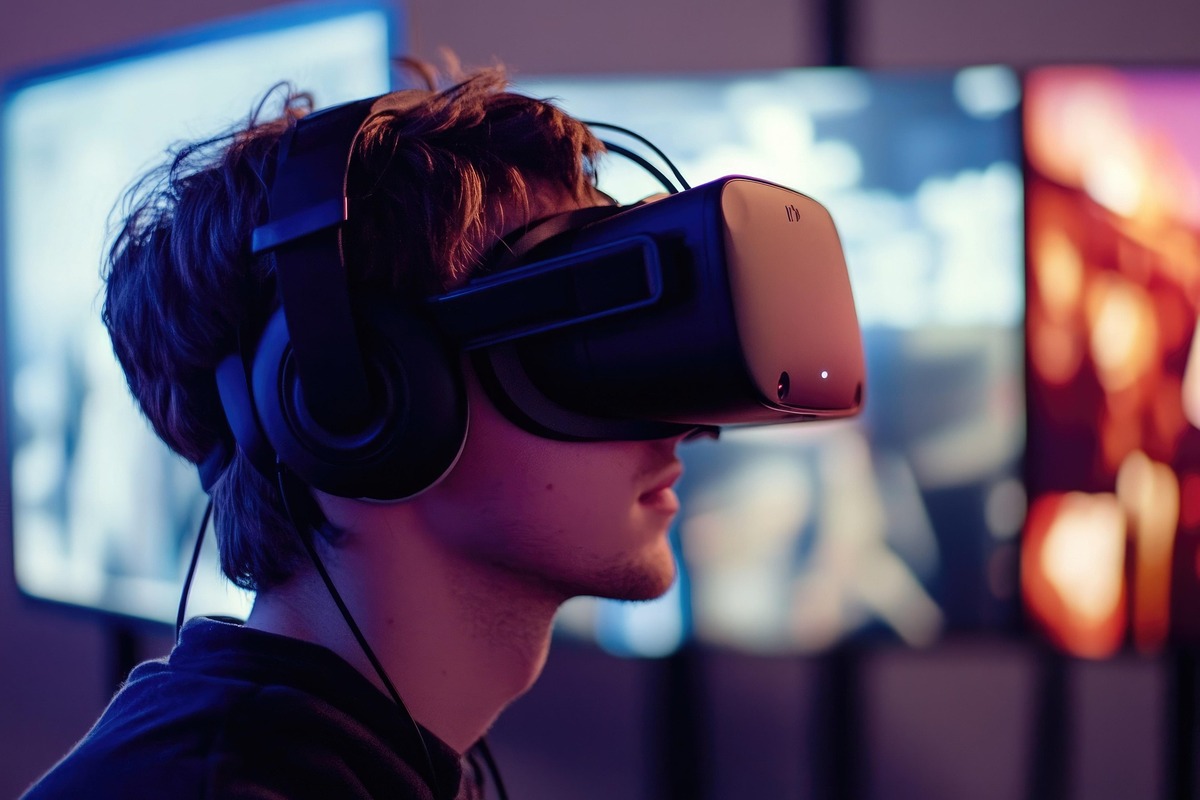
By creating immersive, controlled, and safe environments, VR is allowing clinicians to address sexual health issues in ways that were previously impossible. Whether it is helping a survivor of trauma reclaim their sense of safety or assisting an individual in overcoming performance anxiety, VR is proving to be a powerhouse tool in the modern therapeutic arsenal.
The Science of Presence: Why VR Works for Intimacy
The effectiveness of VR therapy lies in a psychological concept known as "presence." This is the phenomenon where the brain perceives the virtual environment as a reality, triggering the same physiological and emotional responses as a real-life situation.
Exposure Therapy in a Controlled Setting
For individuals dealing with Sexual Trauma or Post-Traumatic Stress Disorder (PTSD), the real world can feel unpredictable and threatening. VR allows for Graded Exposure Therapy. A patient can be placed in a virtual scenario—perhaps a crowded room or a romantic setting—that triggers a mild stress response. Under the guidance of a therapist, they learn to regulate their nervous system in that virtual space.
Rewiring the Brain’s Arousal Patterns
Sexual dysfunction is often a "software" issue rather than a "hardware" one. Conditions like erectile dysfunction (ED) or vaginismus are frequently exacerbated by the sympathetic nervous system (the "fight or flight" response) taking over when it should be the parasympathetic nervous system (the "rest and digest" response) in control. VR environments designed for mindfulness and "sensate focus" help patients retrain their brains to stay present and relaxed during moments of intimacy.
Revolutionary Applications in Sexual Health
As the technology has matured, specialized VR programs have emerged to target specific conditions within the realm of sexual wellness.
1. Treatment for Sexual Trauma and PTSD
Trauma often lives in the body, leading to a "disconnection" from physical sensations. VR "Body Ownership" programs use avatars to help survivors reconnect with their physical selves. By performing gentle, guided movements in a virtual space, patients can slowly rebuild a sense of agency and safety within their own skin.
2. Overcoming Performance Anxiety
Performance anxiety is a leading cause of psychological sexual dysfunction. VR simulations allow individuals to "practice" social and romantic interactions in a low-stakes environment. By successfully navigating these virtual dates or intimate conversations, users build "self-efficacy"—the belief in their own ability to succeed—which carries over into their real-world relationships.
3. Addressing Vaginismus and Chronic Pelvic Pain
For conditions involving involuntary muscle contraction, VR is used in conjunction with biofeedback. Patients can see a visual representation of their muscle tension in the VR headset (e.g., a stormy sky that clears as they relax their pelvic floor). This visual-physical loop accelerates the learning process of muscle control.
4. Pelvic Floor Rehabilitation
Beyond the psychological, VR is being used for physical therapy. Gamified pelvic floor exercises, viewed through a headset, make the often-tedious process of rehabilitation engaging. This is particularly beneficial for postpartum recovery or for those recovering from prostate surgery.
The Benefits of VR Over Traditional Methods
Why are millions of patients and therapists moving toward virtual solutions?
| Feature | Traditional Talk Therapy | VR-Integrated Therapy |
|---|---|---|
| Engagement | Relies on imagination and memory. | Provides high-fidelity immersive stimuli. |
| Safety | Discussions can sometimes re-traumatize. | Controlled "doses" of exposure in a safe space. |
| Data Tracking | Based on subjective patient reporting. | Real-time tracking of heart rate, eye movement, and skin conductance. |
| Accessibility | Limited by the availability of specialists. | Software can be used at home with remote supervision. |
The Role of "Digital Therapeutics" (DTx)
In 2026, VR therapy has moved out of specialized research labs and into the home. Digital Therapeutics (DTx) are FDA-cleared software programs that a doctor can prescribe.
A patient might receive a "VR prescription" for a 12-week course to treat low sexual desire or arousal disorders. These programs often include:
Guided Meditations: 360-degree environments like a tranquil beach or a soft-lit room designed to lower cortisol.
Education Modules: Interactive 3D models of the human anatomy to help patients understand their own biological responses.
Skill-Building Exercises: Interactive role-playing to improve communication with partners about sexual needs.
Ethical Considerations and the "Uncanny Valley"
Despite its successes, VR therapy faces unique challenges.
Privacy and Emotional Vulnerability
The data collected during a VR session—including eye-tracking and biometric responses to certain stimuli—is incredibly sensitive. There is a critical need for HIPAA-compliant VR platforms that guarantee this data is never used for commercial profiling.
The Risk of Escapism
There is a fine line between using VR as a tool to improve real-life intimacy and using it as a replacement. Therapists must ensure that the goal of VR therapy remains the "generalization" of skills—ensuring that the confidence gained in the headset translates to the actual bedroom.
The "Uncanny Valley" Effect
If virtual avatars look "almost human" but not quite right, they can trigger a sense of revulsion or unease. This can be counterproductive in a sexual health context. High-end VR developers are currently focused on creating stylized, beautiful, or abstract environments that bypass this effect and focus on emotional resonance.
VR and the Global Traveler: A New Era of Support
For the audience of intotravels.com, VR therapy offers a unique advantage: Portability.
The stress of frequent travel, time zone changes, and being away from a partner can take a toll on sexual health. Lightweight, standalone VR headsets (like the latest iterations of the Meta Quest or Apple Vision series) allow travelers to maintain their therapeutic routine from a hotel room in Tokyo or a rental in Paris.
Furthermore, "Tele-VR" allows a patient to meet their therapist in a shared virtual space, regardless of where they are in the world. This ensures continuity of care, which is vital for trauma recovery and long-term dysfunction treatment.
The Future: Haptics and Multi-Sensory Therapy
The next frontier for VR in sexual health is the integration of haptic feedback. Wearable suits or devices that provide subtle tactile sensations can help in "resensitization" therapy for those with nerve damage or those recovering from surgery. When sight, sound, and touch are all synchronized in a therapeutic virtual environment, the potential for healing becomes nearly limitless.
Conclusion: Bridging the Gap Between Tech and Touch
VR Therapy is proving that the most advanced technology can be used to solve our most ancient and human problems. By providing a safe harbor for exploration and a precise tool for physiological retraining, Virtual Reality is removing the shame and mystery often associated with sexual dysfunction.
As we look toward the future of wellness, it is clear that the "digital" and the "biological" are no longer separate. For those struggling with trauma or dysfunction, the virtual world isn't just an escape—it’s a pathway back to themselves and to the people they love.


