
Wearable Integration: New Apps That Tell Your Smart-Dispenser Exactly Which Vitamins You Need Today
For years, the "morning routine" for health-conscious individuals involved a cabinet full of plastic bottles and a fair amount of guesswork. We took a multivitamin because it was part of the ritual, regardless of whether we had slept eight hours or four, or whether we were lounging on a beach or hiking a mountain.
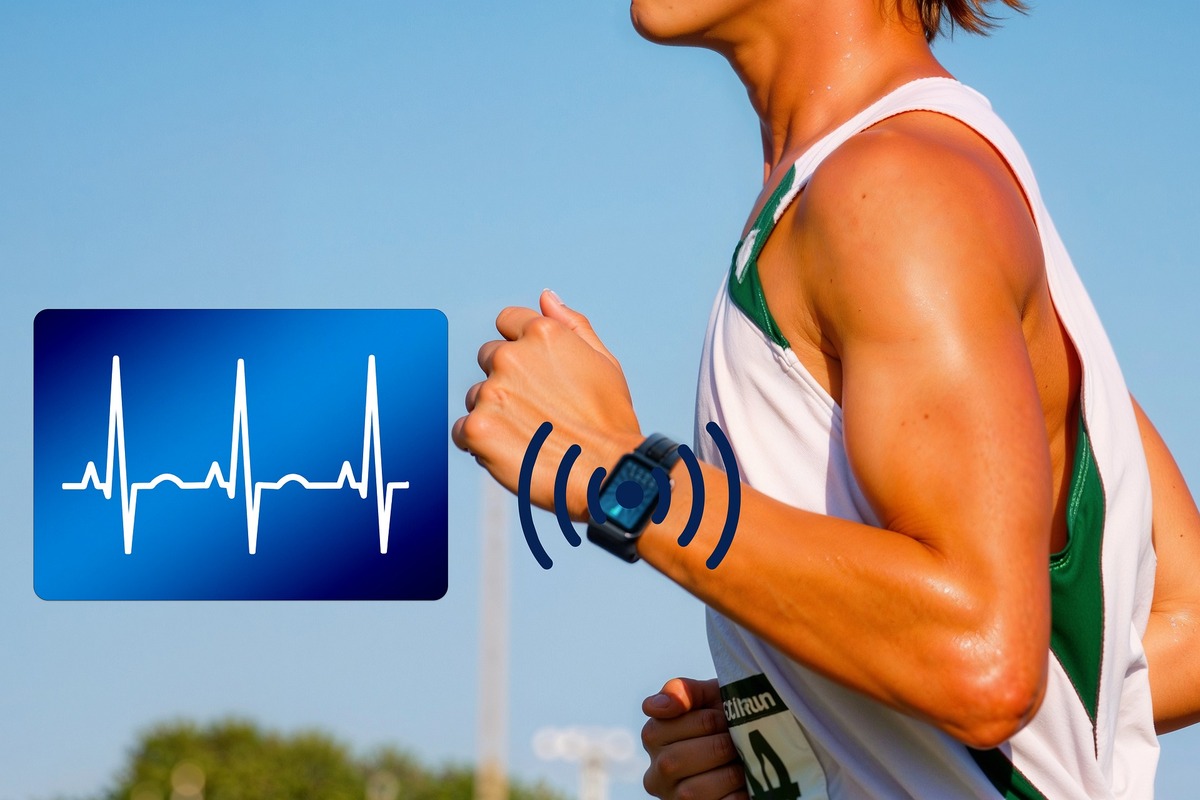
As we move through 2026, that era of static nutrition has ended. We have entered the age of Bio-Responsive Supplementation. The latest breakthrough in wellness technology is the seamless integration between wearable devices and AI-powered smart-dispensers. Through advanced APIs and real-time biometric analysis, your smartwatch now talks directly to your kitchen or travel dispenser, ensuring that the "supplement stack" you consume today is mathematically tailored to the physiological stress your body experienced yesterday.
The Death of the Static Multivitamin
The "one-size-fits-all" multivitamin was a 20th-century solution to a 21st-century problem. Our bodies are dynamic ecosystems; our nutritional needs change based on sleep quality, physical exertion, stress levels, and even local environmental factors like altitude and humidity.
In 2026, the market has shifted toward Dynamic Dosing. We no longer take a fixed 500mg of Vitamin C every day. Instead, an app analyzes your wearable data—detecting a slight rise in body temperature or a drop in Heart Rate Variability (HRV)—and instructs your dispenser to increase your dose of antioxidants and adaptogens to preemptively support your immune system.
How the Integration Works: From Wrist to Countertop
The magic of this 2026 wellness trend lies in the "Closed-Loop System" created by three distinct technologies working in harmony.
1. The Data Harvester (The Wearable)
Modern wearables in 2026 track more than just steps. They monitor blood glucose levels via non-invasive sensors, interstitial fluid biomarkers, and even sweat composition. This data provides a real-time "biometric signature" of your current state of health.
2. The Translator (The AI App)
This is where the raw data becomes actionable intelligence. New wellness apps use machine learning to correlate your wearable data with your goals. If the app detects high levels of cortisol (the stress hormone) following a series of back-to-back work meetings, it identifies the need for Magnesium and Ashwagandha to calm the nervous system.
3. The Executor (The Smart-Dispenser)
The smart-dispenser is the "hardware" of the kitchen. These sleek, countertop devices contain cartridges of high-bioavailability liquid or powdered nutrients. Once it receives the command from the app via Bluetooth or Wi-Fi, it precision-mixes a customized "shot" or prints a nutrient-dense gummy containing the exact milligram count required for that specific day.
Why Wearable Integration is the Ultimate Travel Essential
For the community at intotravels.com, this technology is revolutionary for maintaining peak performance while exploring the globe. Traveling is inherently disruptive to our biology, and wearable-integrated dispensing is the "biological anchor" that keeps us grounded.
Jet Lag Mitigation in Real-Time
When you land in a new time zone, your wearable detects the shift in your circadian rhythm. The integrated app immediately adjusts your evening "dispenser pod" to include specific ratios of Vitamin B6 and targeted amino acids to help your brain produce melatonin at the correct local time, effectively "hacking" your jet lag.
Altitude and Environment Adaptation
If you are trekking in the Andes or the Himalayas, your wearable monitors the drop in oxygen saturation and the increase in physical strain. The app then signals your portable travel dispenser to increase your intake of iron, adaptogens, and deep-sea minerals to support red blood cell efficiency and cardiovascular resilience.
Stress Management for the Digital Nomad
For those working from co-working spaces in Lisbon or Tokyo, the "Work-Travel" balance can be taxing. The system detects the cognitive load and mental fatigue through sleep-stage analysis. Your morning dose might then be enriched with Nootropics 2.0 (as discussed in our previous articles) like Lion’s Mane or L-Theanine to ensure you stay productive without the burnout.
The Tech Behind the Cartridges: Nano-Potency
One might wonder how a small countertop device can hold enough vitamins for a month. The secret lies in Nano-Encapsulated Concentrates.
Because nano-technology allows for nearly 100% bioavailability, the actual volume of the nutrient needed is tiny. Smart-dispensers in 2026 use "Nutrient Cartridges" that are highly concentrated. A single cartridge the size of a smartphone can hold enough "Vitamin D" for three months because the dispenser is only releasing the exact micro-dose your wearable says you need, rather than the massive "megadoses" found in traditional pills.
Data Privacy and the "Bio-Vault"
With such intimate data being shared between your wrist and your kitchen, privacy is a major concern in 2026. The leading apps in this space utilize Edge AI. Instead of sending your heart rate and glucose levels to a corporate cloud, the data is processed locally on your phone or within the dispenser itself.
Users utilize a "Bio-Vault"—a decentralized identity protocol that ensures only the app has the "key" to see the biometrics. Your vitamin company knows what to dispense, but they don't necessarily know why (i.e., they don't have access to your medical history or specific sleep logs), maintaining a layer of "Anonymized Optimization."
The Economic Shift: Pay-Per-Nutrient
The business model for supplements has also changed. In 2026, many consumers have moved away from buying bottles and toward "Nutrient Subscriptions." You pay a monthly fee for the hardware and the cartridges. Because the system only dispenses what you need, there is zero waste.
If you have a particularly sedentary week where your body doesn't deplete its stores of certain minerals, the dispenser holds back, making your cartridges last longer. This "Efficient Consumption" model is both better for the wallet and significantly better for the environment, as it eliminates the millions of plastic vitamin bottles that previously ended up in landfills.
The Future: 3D-Printed Nutrition
As we look toward 2027, the next iteration of this technology is already in beta-testing: 3D-Printed Meal Integration. Imagine your wearable telling your smart-oven exactly which micro-nutrients to "infuse" into your dinner as it cooks. The transition from "Smart Supplements" to "Smart Food" is the logical conclusion of the wearable revolution.
Conclusion: The Era of the Intuitive Body
The integration of wearables and smart-dispensers represents a fundamental shift in the human experience. We are moving away from being "blind" to our internal needs and toward a state of total transparency.
For the explorers at intotravels.com, this means the world is no longer a place that wears you down, but a place that you are perfectly equipped to navigate. By syncing your tech with your toxins and your wearables with your wellness, you ensure that every day is a "Peak Performance Day."
The "Morning Routine" isn't a chore anymore; it’s a high-tech calibration. Your body speaks, your wearable listens, and your dispenser provides. Welcome to the future of life on the move.
Comparison: Traditional Supplementation vs. Wearable-Integrated Dispensing
| Feature | Traditional Bottles | Wearable-Integrated Apps |
|---|---|---|
| Dosing Accuracy | Estimated / Static | Biometric / Dynamic |
| Bioavailability | Low (Pills/Capsules) | High (Nano-liquids/Powders) |
| Waste Factor | High (Unused/Expired pills) | Zero (Precision dispensing) |
| Travel Utility | Bulky / Inconvenient | Portable pods / Real-time adaptation |
| Health Insight | None (Blind consumption) | High (Continuous feedback loop) |
| Environmental Impact | Plastic Waste | Circular Cartridge System |


