
Hluhluwe-iMfolozi Park: South Africa’s Oldest Game Reserve & Big Five Safari Adventure
Introduction to Hluhluwe-iMfolozi Park
Welcome to Hluhluwe-iMfolozi Park, a place where Africa’s wild heart beats strongest, where rhinos roam free, lions roar through ancient valleys, and Zulu history whispers from the hills. As South Africa’s oldest proclaimed game reserve, this sprawling park in KwaZulu-Natal is more than just a safari destination—it’s a conservation icon.
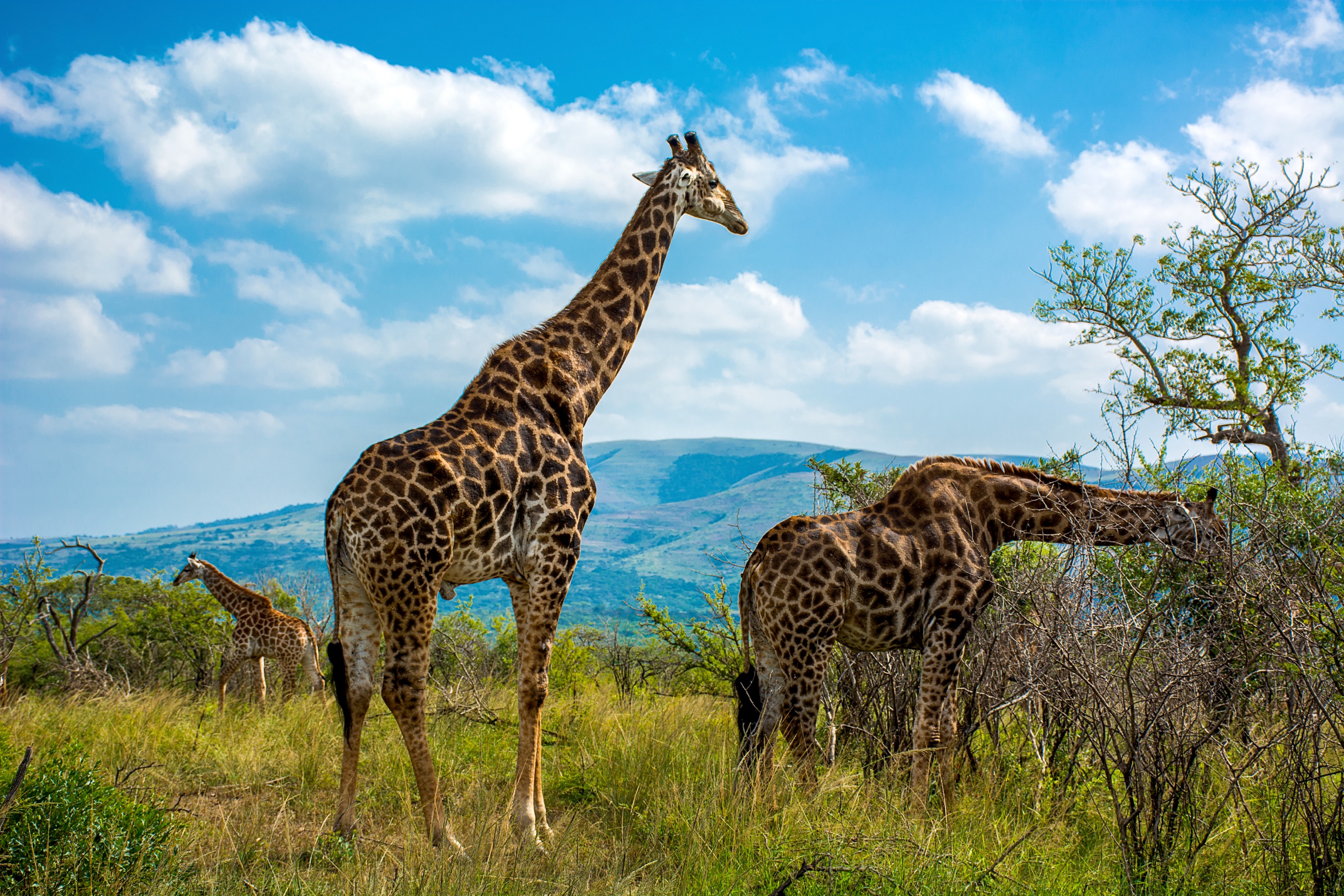
Whether you’re dreaming of a Big Five encounter, planning a photographic safari, or seeking an off-the-beaten-track African wilderness experience, Hluhluwe-iMfolozi Park is a bucket list adventure like no other.
Table of Contents
Introduction to Hluhluwe-iMfolozi Park
Where History Meets Wildlife
Why Visit Hluhluwe-iMfolozi Park?
The Park’s Unique Geography
Wildlife Safari: The Big Five and Beyond
Rhino Conservation: A Global Legacy
Game Drives: Self-Drive vs. Guided
Top Safari Routes and Viewpoints
Birdwatching in the Park
Walking Safaris: Up Close With Nature
Accommodation in and Around the Park
Best Time to Visit
Entry Fees and Gate Info
Cultural and Historical Significance
Tips for First-Time Visitors
How to Get There
Nearby Attractions
Safety and Park Etiquette
FAQs
Final Thoughts
1. Introduction to Hluhluwe-iMfolozi Park
Located in the rolling hills of northern KwaZulu-Natal, Hluhluwe-iMfolozi Park covers over 96,000 hectares of diverse landscapes. Formed by the merging of Hluhluwe Game Reserve and iMfolozi Game Reserve, this park is a pioneer in African conservation—and a paradise for wildlife lovers.
2. Where History Meets Wildlife
Established in 1895, Hluhluwe-iMfolozi is the oldest game reserve in Africa. Once the exclusive hunting ground of Zulu kings like Shaka Zulu, it later became the cradle of rhino conservation efforts in the 20th century.
Today, it’s one of the few parks where you can experience both incredible biodiversity and deep historical roots.
3. Why Visit Hluhluwe-iMfolozi Park?
Here are a few reasons this park should be on your itinerary:
Home to the Big Five: Lion, leopard, elephant, rhino, buffalo
Largest white rhino population in the world
Lush landscapes of forests, rivers, and savannah
Less crowded than Kruger, but equally rewarding
Affordable and accessible safari option
Excellent self-drive and guided safari options
4. The Park’s Unique Geography
The park is divided into two distinct regions:
Hluhluwe (north): Hilly, forested terrain with river valleys and excellent viewpoints
iMfolozi (south): Wide-open savannahs, thornveld, and riverine habitats
The Black iMfolozi and White iMfolozi Rivers flow through the park, creating lush oases that attract wildlife.
5. Wildlife Safari: The Big Five and Beyond
Hluhluwe-iMfolozi is teeming with animals. Here’s what you can expect:
🐘 Big Five Encounters
Lions often spotted in iMfolozi
Elephants roam in family herds
Leopards are elusive but present
Buffalo graze in large groups
Rhinos (both black and white) are a common sight
🦓 Other Species
Giraffes
Wildebeest
Warthogs
Zebras
Hyenas
Cheetahs (less frequent but possible)
6. Rhino Conservation: A Global Legacy
Hluhluwe-iMfolozi Park is ground zero for rhino conservation. In the 1950s, only a few hundred southern white rhinos remained. Through Operation Rhino, park rangers, scientists, and conservationists revived the population—and many rhinos across the globe today trace their lineage to this very park.
You may spot:
White rhinos grazing in open fields
Black rhinos hiding in dense thickets
It’s a once-in-a-lifetime chance to see these magnificent creatures in the wild.
7. Game Drives: Self-Drive vs. Guided
🚗 Self-Drive Safari
Perfect for flexibility
Well-maintained roads
Park maps available at entrances
Early mornings and late afternoons are best for sightings
🚙 Guided Game Drives
Offered by the park or private lodges
Morning, afternoon, and night drives
Expert guides track animals and share insights
Great for first-time visitors
8. Top Safari Routes and Viewpoints
Don’t miss these iconic safari loops and lookouts:
Nzimane Loop (elephant herds and scenic views)
Sontuli Loop (wild dogs and waterholes)
Mpila Loop (rhino hotspot)
Hilltop Lookout (views over the entire Hluhluwe area)
Bhejane Hide (great for photography)
9. Birdwatching in the Park
With over 340 species, Hluhluwe-iMfolozi is a birdwatcher’s paradise:
African fish eagle
Narina trogon
Martial eagle
Southern ground hornbill
Purple-crested turaco
Don’t forget your binoculars!
10. Walking Safaris: Up Close With Nature
For the bold and adventurous, guided walking safaris are available in iMfolozi. These are thrilling opportunities to:
Track wildlife on foot
Learn animal spoor
Experience the bush in silence
Understand ecology from expert rangers
Walks are typically early morning or late afternoon and require prior booking.
11. Accommodation in and Around the Park
🛏️ Inside the Park:
Hilltop Camp – Lodges, chalets, and a restaurant with panoramic views
Mpila Camp – Self-catering units, tents, and a more rustic feel
Bush lodges – For intimate, exclusive safari experiences
🏡 Outside the Park:
St. Lucia (for iSimangaliso Wetland Park access)
Hluhluwe town (budget guesthouses and lodges)
Private game reserves nearby
12. Best Time to Visit
Dry season (May–September): Best for game viewing as animals congregate around water
Green season (October–April): Lush scenery, birdwatching, and fewer crowds
Avoid midday heat; early mornings and dusk are prime times for safaris.
13. Entry Fees and Gate Info
Entry fees (2025, approximate):
South Africans: R60–R85 per adult
International Visitors: R240+ per adult
Children: Reduced rates
Main entrance gates:
Memorial Gate (north – Hluhluwe side)
Nyalazi Gate (south – iMfolozi side)
Gates open at sunrise and close at sunset—always check specific times before entering.
14. Cultural and Historical Significance
The park sits on land historically used by Zulu royalty and warriors. iMfolozi was once a hunting ground of King Shaka Zulu. Today, local communities continue to play a role in the park’s eco-tourism and storytelling.
You can find Zulu craft markets, village tours, and cultural experiences in surrounding areas.
15. Tips for First-Time Visitors
Bring a telephoto lens for wildlife photography
Pack water, snacks, and sunscreen—distances are long
Always stay in your vehicle unless at designated areas
Be patient—wildlife sightings are about timing and luck
Book accommodation and guided drives in advance
16. How to Get There
From Durban: ~3 hours by car via N2
From Johannesburg: ~6.5 hours via N2/N3
Closest airport: Richards Bay or King Shaka International Airport
Car rental is recommended for full flexibility.
17. Nearby Attractions
Make it a wildlife-rich road trip with these nearby destinations:
iSimangaliso Wetland Park (UNESCO World Heritage Site)
St. Lucia Estuary (hippos, crocodiles, boat safaris)
Tembe Elephant Park (home to Africa’s largest tuskers)
Sodwana Bay (snorkeling and diving)
18. Safety and Park Etiquette
Do not exit your vehicle except at designated spots
No feeding or approaching wildlife
Keep noise levels low—especially near animals
Obey speed limits to protect animals and yourself
Respect other visitors and guides
19. Frequently Asked Questions
Q: Can I see the Big Five in one day?
A: It’s possible but not guaranteed. Spend at least 2–3 days for a well-rounded safari.
Q: Are malaria precautions needed?
A: The park is generally low-risk, but check with a travel clinic before visiting.
Q: Are there shops or restaurants inside?
A: Yes. Hilltop Camp has a restaurant and curio shop. Mpila has basic supplies.
20. Final Thoughts
Hluhluwe-iMfolozi Park is more than a safari—it’s a journey into the wild soul of South Africa, a place where conservation history was made, and where you can still feel the rhythm of ancient Africa. From its golden grasslands to its legendary rhinos, this park delivers unforgettable encounters and genuine connection with nature.
🦏 Come for the Big Five, stay for the heart and heritage of Africa’s wild legacy.

IntoTravels.com – Your companion on the journey to explore the world, offering valuable information and inspiration for memorable trips. While we strive to provide accurate and helpful content, please note that all information on the website is for reference only and may be subject to change. Decisions based on the content should always be verified with reliable sources. IntoTravels.com is not responsible for any loss or damage resulting from the use of information on this website.
© 2024 IntoTravels. All rights reserved.
Designed by Mulplat