
Tsitsikamma National Park Guide: Adventure, Nature & Wildlife on South Africa’s Garden Route
Introduction to Tsitsikamma National Park
Located on the spectacular Garden Route of South Africa, Tsitsikamma National Park is a breathtaking wilderness area that blends rugged coastline, ancient forests, and thrilling outdoor activities. This park is a jewel for adventurers, nature lovers, and eco-tourists who want to experience the best of South Africa’s diverse landscapes in one place.
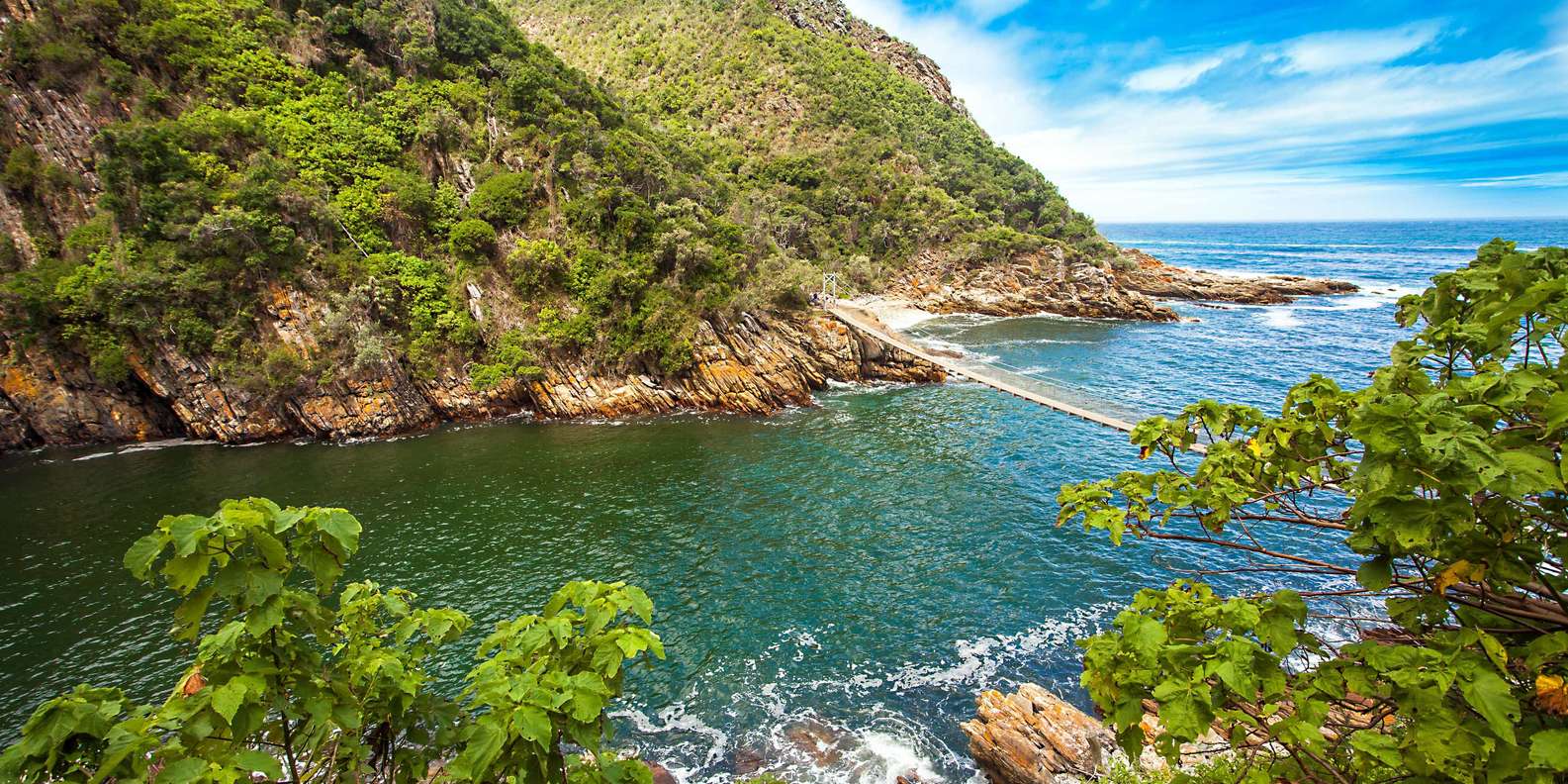
Whether you are hiking over towering suspension bridges, kayaking along turquoise waters, or simply soaking in the serenity of indigenous forests, Tsitsikamma offers an unforgettable journey into the heart of nature.
Table of Contents
Introduction to Tsitsikamma National Park
Where is Tsitsikamma National Park?
Why Visit Tsitsikamma?
Key Attractions and Highlights
The Famous Suspension Bridge at Storms River Mouth
Hiking Trails: From Easy Walks to Challenging Treks
Marine Adventures: Kayaking, Snorkeling & Scuba Diving
Indigenous Forests and Wildlife
Adventure Activities: Canopy Tours and Bungee Jumping
Camping and Accommodation Options
Best Time to Visit Tsitsikamma
How to Get to Tsitsikamma National Park
Nearby Attractions on the Garden Route
Tips for Sustainable and Responsible Travel
Frequently Asked Questions (FAQs)
Final Thoughts
1. Introduction to Tsitsikamma National Park
The name “Tsitsikamma” means “place of abundant water” in the Khoekhoe language — a perfect description for this coastal region characterized by lush forests, rivers, and crashing waves.
Tsitsikamma is part of the Garden Route National Park, managed by South African National Parks (SANParks), and stretches along 80 km of pristine coastline. The park is renowned for its diverse ecosystems — from dense afro-temperate forests to rugged cliffs and clear marine reserves.
2. Where is Tsitsikamma National Park?
Tsitsikamma National Park lies in the Eastern Cape and Western Cape provinces, on South Africa’s famed Garden Route corridor.
📍 About 300 km east of Cape Town
📍 Near towns: Plettenberg Bay (70 km west) and Storms River (inside the park)
📍 Along the N2 highway, which makes it accessible for road trippers
3. Why Visit Tsitsikamma?
Tsitsikamma is a paradise for anyone who loves:
Pristine nature and unspoiled coastline
Thrilling outdoor adventures — ziplining, bungee jumping, hiking
Exploring ancient forests with rare flora and fauna
Marine life including dolphins, seals, and seasonal whales
Cultural heritage and conservation efforts
4. Key Attractions and Highlights
Storms River Suspension Bridge — iconic and scenic
Hiking trails: Otter Trail, Waterfall Trail, Blue Duiker Trail
Storms River Mouth — kayak, swim, and picnic spots
Marine Protected Area — snorkeling and diving with rich biodiversity
Canopy tours and zipline adventures
Birdwatching and wildlife spotting
Camping sites and eco-lodges inside the park
5. The Famous Suspension Bridge at Storms River Mouth
The suspension bridge is the symbol of Tsitsikamma and one of the most photographed spots in the Garden Route. It spans the deep Storms River gorge and offers breathtaking views of the river meeting the ocean.
Highlights:
Walk across the swaying bridge surrounded by indigenous forest
Watch the waves crash dramatically below
Take memorable photos from lookout points nearby
Best visited early morning or late afternoon for soft lighting and fewer crowds
6. Hiking Trails: From Easy Walks to Challenging Treks
Tsitsikamma boasts some of South Africa’s best hiking experiences.
Notable hikes:
Otter Trail: South Africa’s most famous multi-day coastal hike (42 km)
Waterfall Trail: 3.2 km walk to a beautiful waterfall and natural pool
Blue Duiker Trail: Short, family-friendly walk through forests
Fynbos Trail: Explore unique flora of the region
Each trail offers a chance to discover varied landscapes, spot birds, and experience nature up close.
7. Marine Adventures: Kayaking, Snorkeling & Scuba Diving
The Tsitsikamma Marine Protected Area preserves an underwater world bursting with life.
Kayak along the calm Storms River mouth to sea caves and rock formations
Snorkel or scuba dive to see colorful fish, anemones, and rare species
Seasonal whale watching from the shore (June to November)
Boat trips for dolphin and seal watching
8. Indigenous Forests and Wildlife
Explore one of the last remaining ancient afro-temperate forests in South Africa. Towering yellowwoods, stinkwoods, and white pear trees shelter wildlife like:
Samango monkeys
Blue duikers (small antelope)
Diverse bird species including Knysna turacos and fish eagles
Reptiles and amphibians unique to the region
9. Adventure Activities: Canopy Tours and Bungee Jumping
For adrenaline junkies, Tsitsikamma offers:
Canopy tours — ziplining through forest canopies with spectacular views
Bloukrans Bridge bungee jump — the highest commercial bungee jump in the world, just a short drive from the park
Mountain biking and trail running on designated routes
10. Camping and Accommodation Options
Tsitsikamma caters to all travelers:
Camping sites inside the park with full facilities
Eco-lodges and cabins surrounded by forest
Guesthouses and B&Bs in nearby towns
Luxury options for a more comfortable stay
11. Best Time to Visit Tsitsikamma
Summer (Nov-Mar): Warm, great for swimming and water sports
Autumn (Apr-May): Mild weather, less crowded
Winter (Jun-Aug): Cooler, perfect for hiking, whale watching
Spring (Sep-Oct): Wildflowers bloom, excellent for photography
12. How to Get to Tsitsikamma National Park
By car: Drive from Cape Town or Port Elizabeth via N2
By bus: Several tour companies run Garden Route trips
By air: Nearest airports in George and Port Elizabeth
Self-drive tours: Highly recommended for flexibility
13. Nearby Attractions on the Garden Route
Make the most of your trip by visiting:
Plettenberg Bay: Beaches, whale watching
Knysna: Waterfront dining, lagoon cruises
Nature’s Valley: Remote beaches and hiking
Bloukrans Bridge: Bungee jumping
Storms River Village: Quaint shops and cafés
14. Tips for Sustainable and Responsible Travel
Respect wildlife and stay on designated trails
Avoid littering and use reusable water bottles
Support local communities and conservation projects
Follow park rules and guidelines strictly
15. Frequently Asked Questions (FAQs)
Q: How long does it take to hike the Otter Trail?
A: Typically 5 days; permits must be booked months in advance.
Q: Can I camp inside Tsitsikamma National Park?
A: Yes, several campsites with amenities are available.
Q: Is the suspension bridge suitable for children?
A: Yes, but supervision is recommended.
Q: Are pets allowed in the park?
A: No, pets are not permitted to protect wildlife.
16. Final Thoughts
Tsitsikamma National Park is a must-visit destination on South Africa’s Garden Route for anyone craving adventure, natural beauty, and wildlife. From the thrill of crossing the iconic suspension bridge to the peaceful moments watching dolphins leap through the waves, Tsitsikamma offers a rich, multi-sensory experience.
Whether you’re an avid hiker, a nature photographer, or simply looking to unwind in one of the country’s most stunning natural parks, Tsitsikamma delivers.

IntoTravels.com – Your companion on the journey to explore the world, offering valuable information and inspiration for memorable trips. While we strive to provide accurate and helpful content, please note that all information on the website is for reference only and may be subject to change. Decisions based on the content should always be verified with reliable sources. IntoTravels.com is not responsible for any loss or damage resulting from the use of information on this website.
© 2024 IntoTravels. All rights reserved.
Designed by Mulplat