
Beyond the Crowds: The Ultimate 2026 Guide to Europe’s Best-Kept "Second-City" Secrets
Beyond the Crowds: The Ultimate 2026 Guide to Europe’s Best-Kept "Second-City" Secrets
For decades, the European travel bucket list has been dominated by the "Big Three": Paris, Rome, and London. While these icons will always hold a certain magic, 2026 marks a definitive shift in the global travel landscape. Travelers are increasingly seeking authenticity over Instagram-famous queues, and the "Second-City" movement has moved from a niche trend to the gold standard of sophisticated exploration.
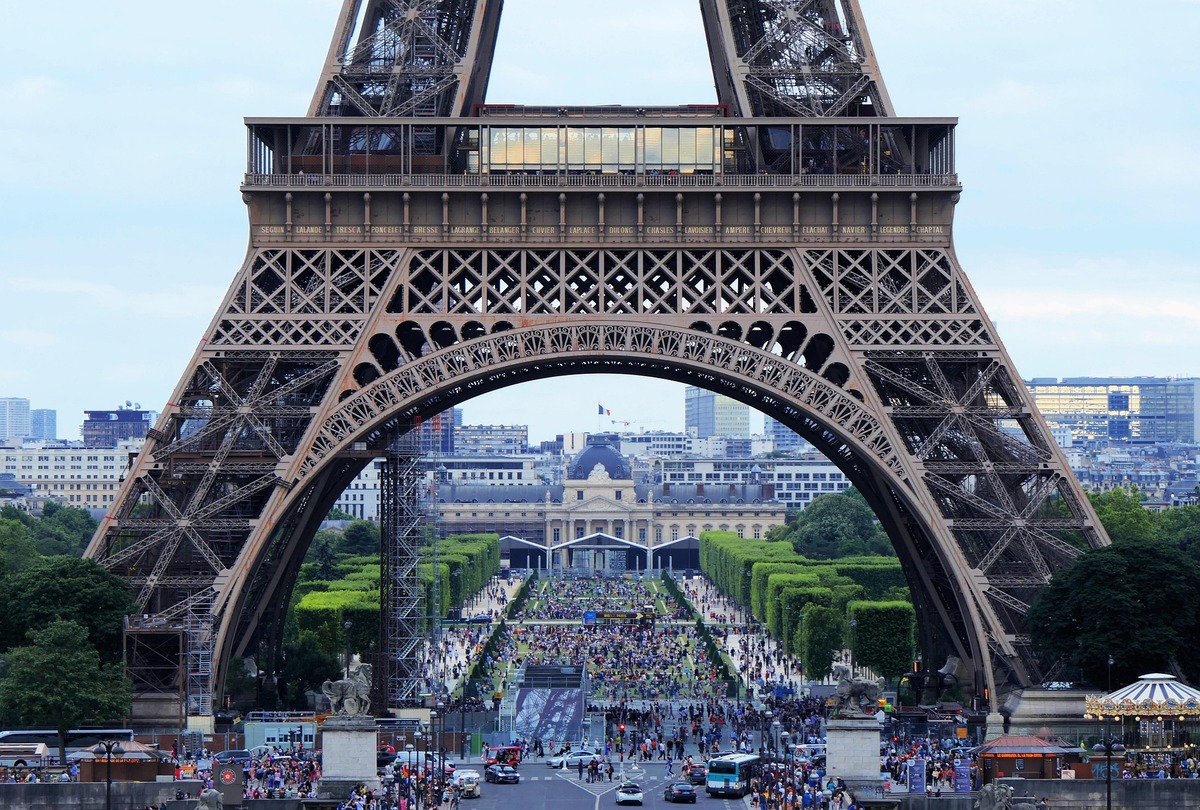
A "Second-City" strategy involves skipping the primary capital in favor of a country’s secondary or tertiary hubs. These cities often preserve the soul of a nation more effectively than their tourist-saturated counterparts. They offer lower prices, shorter lines, and a more intimate look at local life.
If you are looking to rediscover Europe in 2026, here are the ultimate second-city secrets that offer world-class culture, gastronomy, and architecture without the suffocating crowds.
Why Second-City Travel is the Future of Europe
The rise of "overtourism" has changed the way we perceive famous landmarks. In 2026, the savvy traveler prioritizes "meaningful miles." By choosing a second city, you are not only saving yourself from the frustration of overcrowded streets, but you are also contributing to a more sustainable tourism model. You spread economic benefits to local businesses that aren't part of the global tourist trap circuit.
Furthermore, second cities often possess a "chip on their shoulder" in the best way possible. Because they aren't the capital, they work harder to innovate. You will find more experimental art scenes in Leipzig than in Berlin, and perhaps a more authentic culinary traditionalism in Lyon than in Paris.
1. Porto, Portugal: The Soulful Alternative to Lisbon
While Lisbon has become one of the most visited cities in the world, Porto remains the rugged, charismatic heart of Portugal. Built along the hills overlooking the Douro River, Porto is a labyrinth of cobblestone streets, azulejo-tiled churches, and world-class wine cellars.
What Makes it Special in 2026
Porto has managed to modernize its infrastructure without losing its gritty, medieval charm. The Ribeira District is a UNESCO World Heritage site where you can sit by the water and watch traditional Rabelo boats pass by.
The Gastronomy: Beyond the famous Port wine, try the Francesinha, a legendary local sandwich.
The Architecture: Visit the Livraria Lello, often cited as the most beautiful bookstore in the world, but go early to beat the morning rush.
The Vibe: It is salt-of-the-earth, artistic, and significantly more affordable than the southern coast.
2. Utrecht, Netherlands: The "Real" Amsterdam Experience
Amsterdam is beautiful, but in 2026, it is also incredibly crowded. Just a 25-minute train ride away lies Utrecht, a city that many locals consider the "true" heart of the Netherlands.
Why You Should Skip the Capital
Utrecht features the same iconic canals and 17th-century wharf houses as Amsterdam, but with one unique twist: the canals have "wharf cellars." These are street-level terraces right on the water’s edge that house cafes, boutiques, and bars.
The Dom Tower: Climb the tallest church tower in the Netherlands for a panoramic view of the Dutch countryside.
Cycling Culture: Utrecht is arguably the most bike-friendly city in the world. Renting a cycle here feels like a natural part of the rhythm rather than a tourist activity.
Hidden Gardens: Explore the "Pandhof" gardens, tucked away behind the cathedral, offering a silent sanctuary in the middle of the city.
3. Lyon, France: The Culinary Capital of the World
Paris may have the Eiffel Tower, but Lyon has the food. Often overlooked by international travelers rushing to the French Riviera or the Alps, Lyon is a city of immense historical depth and gastronomic excellence.
A Paradise for Foodies
If you want to understand French culture, you must eat in a Bouchon—a traditional Lyonnais restaurant. Here, the focus is on hearty, local fare and incredible Côtes du Rhône wines.
Vieux Lyon: One of Europe's most extensive Renaissance neighborhoods. Discover the Traboules—hidden passageways that run through buildings, once used by silk merchants.
The Fête des Lumières: If you visit in December, the Festival of Lights transforms the city into an outdoor art gallery, far more intimate than any Parisian light show.
The Confluences: See where the Rhône and Saône rivers meet, featuring futuristic architecture that rivals the Louvre.
4. Valencia, Spain: The Sunny Secret of the Mediterranean
Barcelona has faced significant challenges with overtourism, leading many to seek a more relaxed Spanish experience. Valencia offers the perfect balance: a historic old town, a futuristic "City of Arts and Sciences," and miles of pristine urban beaches.
The Home of Paella
You haven't truly tasted Paella until you’ve had it in its birthplace. Head to the Albufera lagoon just south of the city to see the rice paddies where the tradition began.
The Turia Gardens: A riverbed turned into a massive 9-kilometer park that snakes through the city. It is the green lungs of Valencia and a masterpiece of urban planning.
Las Fallas: While the crowds do gather for this festival in March, the city’s atmosphere is electric and uniquely Valencian.
Affordability: You can enjoy a high-end Mediterranean lifestyle for a fraction of the cost of Madrid or Barcelona.
5. Wroclaw, Poland: The City of 100 Bridges
Move over Krakow and Warsaw. Wroclaw (pronounced Vrot-swav) is the rising star of Central Europe. Known as the "Venice of the North" due to its numerous islands and bridges, it is a city of fairy-tale aesthetics and a quirky personality.
The Gnome Hunt
Wroclaw is famous for its "dwarfs"—hundreds of tiny bronze gnome statues hidden throughout the city. What started as a political protest in the 1980s has become a charming city-wide treasure hunt.
Market Square (Rynek): One of the largest and most colorful market squares in Europe.
Ostrów Tumski: The oldest part of the city, illuminated by gas lamps that are still lit by hand every evening by a traditional lamplighter.
The Student Energy: As a major university hub, the nightlife is vibrant, intellectual, and very cheap.
Planning Your Second-City Itinerary for 2026
To make the most of your European journey, keep these SEO-friendly travel tips in mind:
1. Use Regional Rail
Europe’s rail network is expanding rapidly. High-speed lines now connect cities like Lyon to Barcelona or Utrecht to Cologne in just a few hours. 2026 will see even more "NightJet" sleeper trains, allowing you to wake up in a new second city without the hassle of an airport.
2. Learn Five Phrases
In capital cities, everyone speaks English. In second cities, while English is common, a "Hello" or "Thank you" in the local tongue goes a long way. It signals that you are a traveler, not just a tourist.
3. Check Local Holidays
Second cities often have their own regional holidays that the capital doesn't observe. This can lead to unexpected festivals—or unexpected shop closures. Always check the local calendar before you arrive.
Conclusion: The New Map of Europe
The beauty of travel in 2026 is no longer about checking boxes on a map. It is about the feeling of discovery. When you walk through the hidden traboules of Lyon or cycle along the wharf cellars of Utrecht, you aren't just seeing a city; you are experiencing a living culture that hasn't been diluted for the masses.
Choosing the "Second City" is an invitation to slow down. It is a chance to find a favorite local cafe where the owner remembers your name by the third day. As you plan your next European escape on intotravels.com, look past the famous capitals and find the secret heartbeat of the continent.


