
Circadian Lighting: Major Cities Replace Traditional Street Lights to Protect Residents’ Melatonin Cycles
For over a century, the primary goal of urban street lighting was simple: visibility and safety. From the flickering gas lamps of the 19th century to the high-pressure sodium (HPS) bulbs that bathed 20th-century cities in an eerie orange glow, light was a tool to conquer the darkness. However, as we move through 2026, a radical shift in urban planning is taking place. Major global cities are no longer just lighting the way; they are protecting the biological health of their residents.
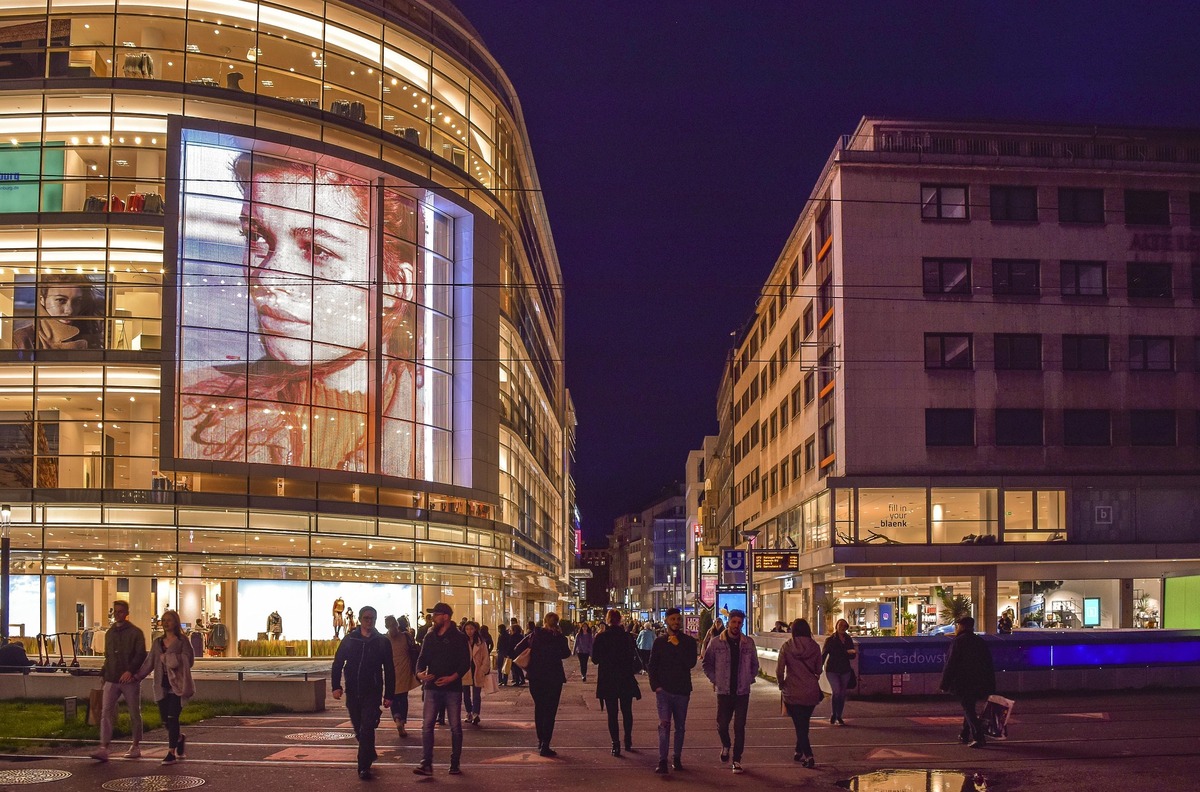
The emergence of Circadian Street Lighting—also known as biodynamic or human-centric outdoor lighting—is transforming the nightscapes of the world's most innovative cities. By replacing static, "always-on" blue-rich LEDs with smart systems that adjust color temperature and intensity in real-time, urban centers are finally addressing the silent epidemic of "light pollution" and its devastating impact on human melatonin cycles.
The Biological Toll of the Blue-Rich Night
The human body is governed by a 24-hour internal clock known as the circadian rhythm. This clock is primarily regulated by light exposure. When the sun goes down, the pineal gland in the brain begins to secrete melatonin, the "hormone of darkness" that signals the body to prepare for sleep, repair cells, and regulate the immune system.
The "Blue Light" Interference
Traditional "Cool White" LED streetlights, which proliferated in the early 2020s, emit a high concentration of blue wavelength light (460–480 nm). This specific wavelength is a biological trigger; it is the same light found in the morning sun that tells our brains to be alert and suppress melatonin.
When residents are exposed to this blue light through their windows or during a late-night walk, their melatonin production is suppressed. By 2026, health data has linked this chronic nocturnal light exposure to:
Sleep Fragmentation: Difficulty falling and staying asleep.
Metabolic Disruption: Increased risks of obesity and diabetes.
Mood Disorders: Higher rates of anxiety and depression among residents in highly lit urban cores.
Suppressed Immunity: Reduced ability to fight off infections and repair cellular damage overnight.
What is Circadian Street Lighting?
In 2026, "Smart" lighting has evolved beyond simple motion sensors. Circadian street lighting systems are designed to mimic the natural progression of light throughout the day and night.
The "Biodynamic" Lighting Schedule
Modern systems, like those implemented in cities like Zurich, Barcelona, and Copenhagen, follow a sophisticated "Dimming and Warming" protocol:
Dusk (3000K): Warm white light provides safety during the busy evening commute.
Early Evening (2700K): As activity slows, the lights shift to a "soft amber" tone.
Late Night (2000K - 2200K): From midnight to dawn, the lights transition to a deep "candlelight" glow. This spectrum contains almost no blue light, allowing the residents' pineal glands to function as if it were total darkness.
Adaptive Dimming
These lights don't just change color; they adjust intensity based on real-time data. Using AI-linked sensors, the lights might stay at 100% brightness if a pedestrian is detected but dim to 20% when the street is empty. This reduces overall "sky glow" while maintaining public safety.
The Leading Cities of the 2026 "Light Revolution"
As of early 2026, several major metropolises have completed or are in the final stages of a city-wide circadian lighting overhaul.
| City | Implementation Strategy | Key Result |
|---|---|---|
| Zurich, Switzerland | Full integration with smart city grid. | 40% reduction in resident-reported sleep issues. |
| Barcelona, Spain | Motion-activated "Biodynamic" zones in residential areas. | Significant reduction in urban light pollution. |
| Miami, USA | Replacement of 500,000 units with connected, tunable LEDs. | Improved public safety with 44% energy savings. |
| Grand Rapids, USA | AI-driven "Smart Hub" street lighting project. | Pioneer in human-centric lighting in the Midwest. |
| Oslo, Norway | Specialized amber-toning for long winter nights. | Mitigation of Seasonal Affective Disorder (SAD) symptoms. |
The Benefits: Why Cities are Investing Billions
The transition to circadian lighting is an expensive infrastructure project, but the long-term ROI (Return on Investment) for public health and urban sustainability is undeniable.
1. Restoring the "Right to Sleep"
For residents living in high-density apartments, "light trespass" from street lamps is a major grievance. Circadian lighting, combined with improved cutoff shields (which direct light downward rather than into windows), creates a more restful environment, improving the overall quality of life and productivity of the urban workforce.
2. Protecting Local Ecosystems
Humans aren't the only ones affected by blue light. Nocturnal wildlife, including birds, bats, and pollinating insects, are often disoriented by traditional LEDs. The move to warmer, amber-toned light in 2026 is helping to restore biodiversity in urban green spaces.
3. Energy Efficiency Meets Health
Tunable LEDs are significantly more efficient than legacy systems. By dimming the lights when streets are empty and shifting to lower-energy warm tones at night, cities are slashing their carbon footprints while simultaneously improving public health.
Impact on the Modern Traveler
For the community at intotravels.com, the rise of circadian-friendly cities is a major factor in "Wellness Tourism."
The End of "Urban Jet Lag"
Travelers visiting cities with circadian lighting find it much easier to adjust to new time zones. Because the city's environment supports their natural melatonin cycle, the "fog" of travel is lifted faster. A midnight walk in a circadian-lit neighborhood in Copenhagen won't "reset" your internal clock the way a bright blue-lit street in an older city would.
The Search for "Dark Sky" Urbanism
We are seeing a trend where travelers specifically seek out "Dark Sky" certified cities. These are locations that have mastered the balance between safety and the preservation of the night sky, allowing for stargazing even in the heart of the city.
Comparing Traditional LEDs vs. Circadian Lighting Systems
| Feature | Standard "Cool" LEDs (2015-2022) | Circadian Smart Systems (2026) |
|---|---|---|
| Color Temperature | Fixed (4000K - 5000K) | Variable (2000K - 4000K) |
| Melatonin Impact | High Suppression | Minimal/Protective |
| Light Spectrum | Blue-Rich | Blue-Filtered (at night) |
| Control | Static (Always on) | Dynamic (AI-Adaptive) |
| Aesthetic | Industrial/Cold | Natural/Warm |
The Future: Integrating Lighting with Public Health Data
The next step in this evolution is the integration of street lighting with Anonymous Health Aggregates. In 2026, some pilot projects are using aggregated, anonymized data from residents' wearables (with strict privacy protections) to adjust the lighting in specific neighborhoods. If a particular area shows high levels of collective sleep deprivation, the city’s lighting grid can automatically shift to a more aggressive "Melatonin-Protection" schedule for a few nights.
Conclusion: Reclaiming the Night
The replacement of traditional street lights with circadian systems is a testament to the fact that we are finally learning to design our cities for humans, not just for machines. By acknowledging the profound impact that light has on our biology, major cities are moving toward a future where "urban" and "healthy" are no longer contradictory terms.
In 2026, the best-lit city is no longer the brightest; it is the one that knows when to dim the lights and let its residents dream. At intotravels.com, we celebrate this move toward a more mindful, biological, and peaceful urban existence. The night belongs to us again—and our melatonin cycles have never been safer.


