
Digital Detox Law: Tech Companies Introduce Mandatory "Mindfulness Mode" for Remote Workers
The traditional "9-to-5" workday has been a relic of the past for years, but the freedom of remote work brought with it a shadow: the "Always-On" culture. By early 2026, the global epidemic of digital burnout reached a breaking point, prompting a historic legislative shift. Governments across the globe, led by the European Union and several forward-thinking Asian hubs, have passed the Digital Detox Law. This landmark legislation mandates that tech companies and remote-first employers implement a hard-coded "Mindfulness Mode" for their workforce.
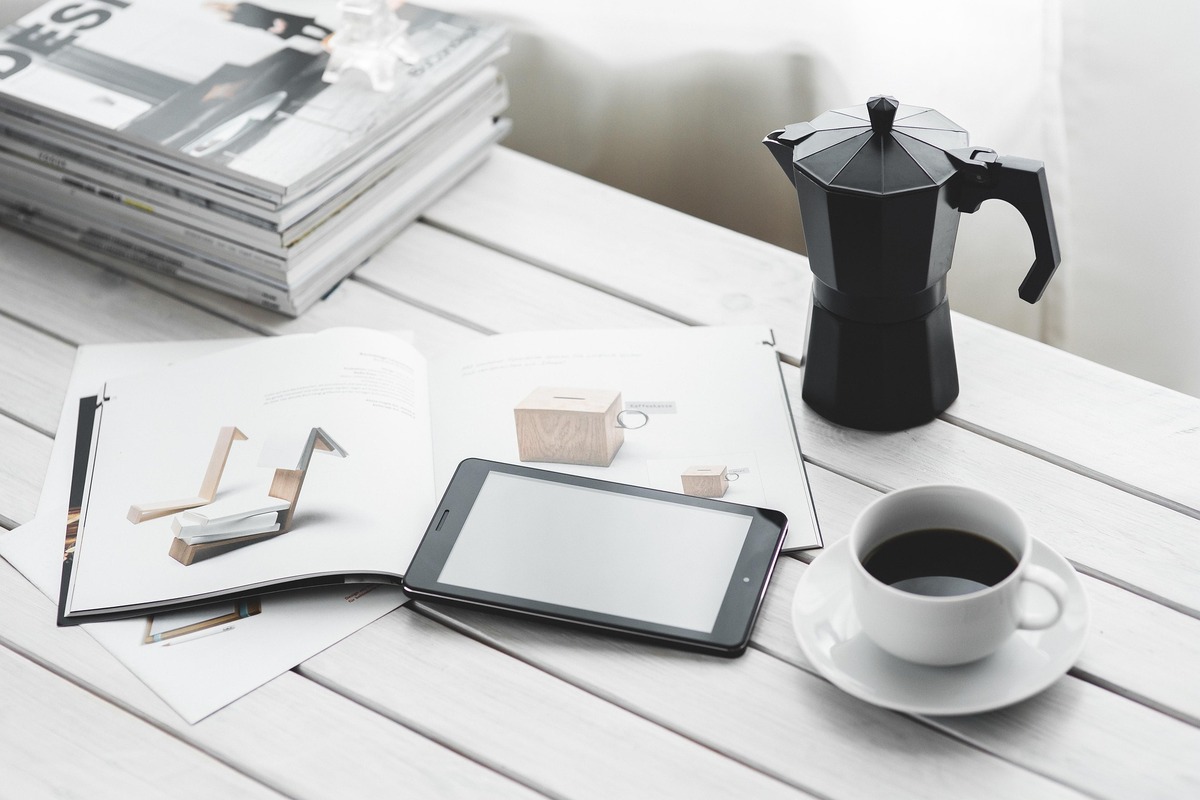
This is no longer a suggestion for wellness; it is a legal requirement. As the boundaries between home and office have completely dissolved, the Digital Detox Law serves as a structural "firewall" for the human nervous system. For the digital nomads and remote professionals who frequent intotravels.com, this law represents a fundamental reclaiming of personal time and mental sovereignty.
The Genesis of the Law: Why Digital Detox Became Mandatory
The transition from voluntary digital detoxing to mandatory "Mindfulness Mode" was driven by alarming data regarding the long-term impact of remote work on mental health.
The "Leaky Workday" Crisis
Studies conducted between 2024 and 2025 revealed that remote workers were averageing 2.5 hours more work per day than their office-based counterparts. The "leaky workday"—where a quick email check at 9:00 PM turns into an hour of labor—led to a 40% spike in clinical anxiety and sleep disorders.
The Erosion of "Deep Work"
Constant notifications from platforms like Slack, Teams, and specialized AI project managers created a state of "continuous partial attention." The brain’s ability to enter Flow State—the peak of productivity and satisfaction—was being systematically destroyed by the digital environment.
What is Mandatory "Mindfulness Mode"?
Under the 2026 Digital Detox Law, "Mindfulness Mode" is an integrated software feature that tech companies must embed into every professional communication and project management tool. It is not just a "Do Not Disturb" button; it is an intelligent, automated system designed to enforce biological rest.
1. Hard-Coded Connection Caps
Once a worker has hit their legally mandated daily limit (typically 8 to 9 hours of active digital presence), the "Mindfulness Mode" triggers a Hard Lockout. Professional apps become inaccessible, and outgoing messages are queued rather than sent. This prevents the "just one more thing" mentality that fuels burnout.
2. The "Right to Disconnect" Protocol
The law forbids employers from penalizing staff for being unreachable during "Off-Hours." In fact, "Mindfulness Mode" automatically hides all incoming notifications until the user’s next scheduled start time. If an employer attempts to bypass this by calling a personal device, the system logs the intrusion as a labor violation.
3. "Bio-Rhythm" Syncing
The most advanced versions of Mindfulness Mode integrate with the worker’s wearable data (such as the smart patches and rings discussed in our previous articles).
The "Stress Pause": If the AI detects a sustained spike in heart rate or a drop in heart rate variability (HRV) during the workday, it enforces a mandatory 15-minute "Digital Pause."
The Result: The screen dims, professional notifications are silenced, and the device offers a guided breathing exercise or a prompt to stand up and look at the horizon.
Impact on the Remote Work and Travel Community
For the audience of intotravels.com, the Digital Detox Law is a game-changer for the "Work-from-Anywhere" lifestyle.
Reclaiming the "Travel" in "Travel-Work"
Many digital nomads found themselves traveling to beautiful locations like Bali or the Swiss Alps, only to spend the entire trip staring at a screen. The mandatory "Mindfulness Mode" ensures that the traveler actually engages with their environment.
Forced Immersion: When your work tools lock at 5:00 PM local time, you are forced to step out, explore the local culture, and experience the "Quiet Travel" surge we’ve discussed previously.
Harmonizing Time Zones
The law includes specific protections for "Cross-Border Teams." It prevents a manager in New York from expecting a response from a remote worker in Lisbon at midnight. The software automatically adjusts "Mindfulness Mode" based on the worker’s GPS location, ensuring that their local night remains sacred.
Comparing Voluntary Wellness vs. The Digital Detox Law
| Feature | Voluntary "Wellness Programs" | Mandatory "Mindfulness Mode" |
|---|---|---|
| Enforcement | Optional/Self-policed | Hard-coded/Automated |
| Legal Standing | No protection against overtime | Legally protected "Off-Time" |
| Employer Access | Can send messages anytime | Messages are blocked/logged |
| Health Integration | None | Real-time bio-feedback triggers |
| Focus | "Work harder, then rest" | "Rest as a prerequisite for work" |
The Economic Argument: Why Tech Giants Comply
Surprisingly, major tech corporations have become the biggest proponents of "Mindfulness Mode." While it may seem counterintuitive to limit the usage of their products, the economic benefits are clear.
Reduced Turnover: Burnout is the #1 cause of "talent drain." By enforcing rest, companies keep their best workers for longer.
Higher "Peak Productivity": A worker who is forced to disconnect for 14 hours returns with significantly higher cognitive clarity than a worker who is "always on."
Liability Reduction: With the rise of "Digital Burnout" lawsuits, having an automated system that proves the company enforced rest is a vital legal shield for employers.
Ethical Considerations: The "Nanny State" vs. Health Sovereignty
The law has not been without controversy. Critics argue that hard-coded lockouts interfere with personal freedom and the "Right to Work."
The "Freedom to Grind" Debate
Some high-performing professionals argue that they should have the choice to work through the night if they are in a "Flow State." In response, the law allows for a "Deep Work Override"—but using it requires a manual justification and is capped at a certain number of hours per month to prevent abuse.
Data Privacy Concerns
Because "Mindfulness Mode" often relies on biometric data to trigger stress pauses, there are concerns about who has access to that data. The 2026 standard requires Zero-Knowledge Encryption, meaning the employer sees only the "Active/Inactive" status, never the raw biometric data used to make the decision.
Conclusion: The New Rhythm of the Digital Nomad
The Digital Detox Law of 2026 marks the end of the "Hustle Culture" era and the beginning of the "Sustainability Era." We are finally acknowledging that the human brain is a biological organ with finite limits, not a silicon processor that can run indefinitely.
For the remote professionals and global travelers of intotravels.com, "Mindfulness Mode" is the ultimate luxury. It is the gift of being "unreachable" without guilt. It allows us to be better workers by being better humans—humans who have the time to sleep, the time to connect, and the time to explore the world without a notification glowing in our pockets.
As we move forward, the "Digital Detox" will no longer be something we plan for once a year; it will be a natural, protected rhythm of every single day. The future of work isn't just remote—it's regulated, restored, and deeply mindful.


