
Functional Snacking: The End of Empty Calories in the Global Food Market
For decades, the concept of "snacking" was synonymous with indulgence, convenience, and, unfortunately, nutritional void. We reached for "empty calories"—foods high in sugar, unhealthy fats, and refined flours that provided a momentary energy spike followed by an inevitable crash. However, as we navigate the global food market of 2026, a seismic shift has occurred. We are witnessing the death of the "junk snack" and the birth of Functional Snacking.
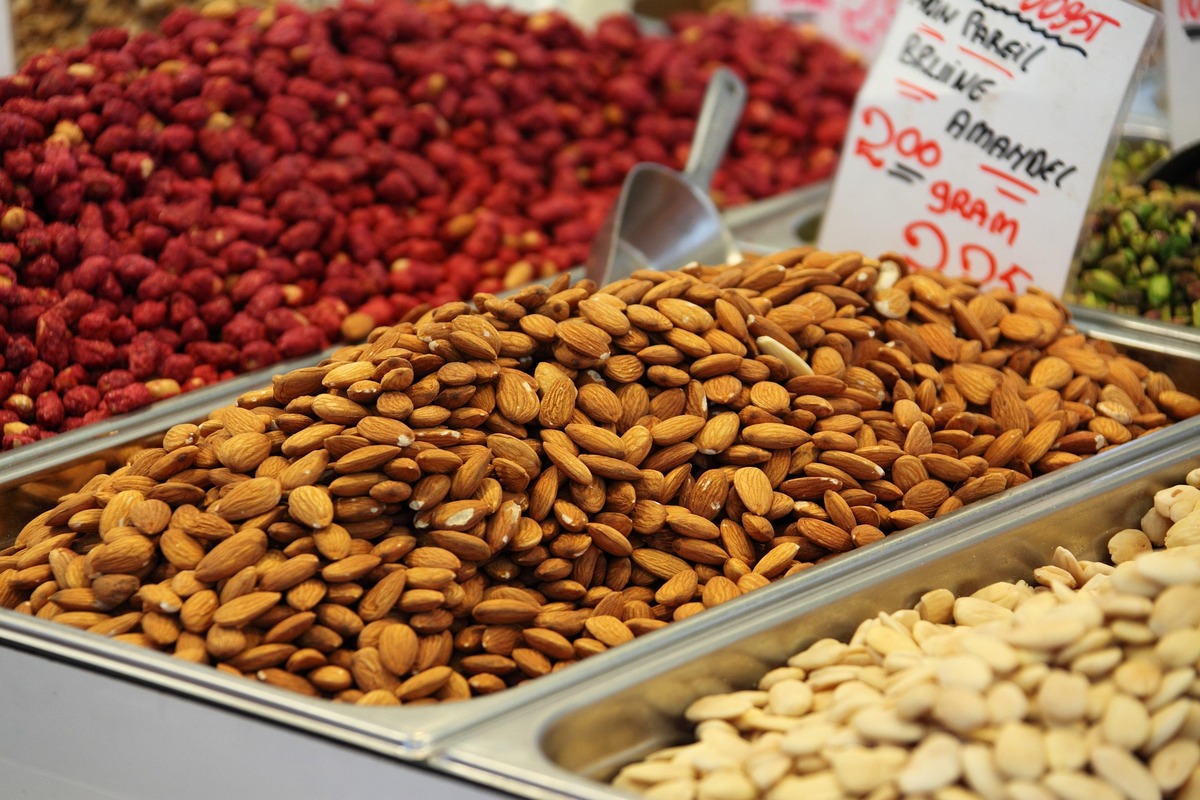
Today’s consumers no longer view snacks as a guilty bridge between meals. Instead, they view them as targeted opportunities for "bio-optimization." Whether it is a digital nomad in a co-working space in Bali or a hiker in the Swiss Alps, the demand is the same: snacks must work for the body, not against it. This article explores how functional snacking is redefining wellness, the technology behind these nutrient-dense innovations, and why this trend is a game-changer for the modern traveler.
What is Functional Snacking?
In 2026, functional snacking is defined as the consumption of small, portable food portions that are specifically engineered to provide a physiological benefit beyond basic nutrition. We are moving past the "high protein" or "low carb" labels of the early 2020s.
A functional snack in today's market is designed with a specific outcome in mind:
Cognitive Enhancement (Nootropics): Snacks that improve focus and memory.
Stress Reduction (Adaptogens): Ingredients that help the body manage cortisol levels.
Metabolic Health: Foods that stabilize blood sugar and improve insulin sensitivity.
Gut-Brain Optimization: Probiotic and prebiotic blends that enhance mood via the microbiome.
The "empty calorie" has been replaced by the "active calorie"—every gram of food is now expected to have a purpose.
The Drivers of the 2026 Functional Shift
The move toward functional snacking hasn't happened in a vacuum. Several global factors have converged to make this the dominant food trend of 2026.
1. The Death of the "Three-Square-Meals" Model
The traditional breakfast-lunch-dinner schedule is fading. With more people working remotely and traveling across time zones, "snacking" has effectively become "grazing." In 2026, many people consume 50% or more of their daily calories from snacks. This shift made it a biological necessity to ensure those snacks were nutrient-dense.
2. Precision Nutrition Integration
As discussed in our previous features on intotravels.com, the rise of AI-driven nutrition has made consumers hyper-aware of their specific deficiencies. If your wearable device tells you that your magnesium levels are low or that your inflammation markers are rising, you don't wait for dinner; you reach for a functional snack designed to address that specific data point.
3. Advanced Food Science: Beyond the "Protein Bar"
In 2026, food technology allows us to incorporate high-potency ingredients without compromising taste or texture. We are seeing the use of Micro-encapsulation, which hides the bitter taste of certain vitamins or minerals, and Precision Fermentation, which creates bio-available proteins that are far superior to the chalky whey or soy bars of the past.
Key Categories of Functional Snacks in 2026
The market has segmented into highly specialized categories that cater to the diverse needs of the modern, mobile population.
Nootropic Nibbles: Fuel for the Brain
For the digital nomad and the professional traveler, mental clarity is the ultimate asset. 2026 has seen an explosion in snacks containing:
Lion’s Mane Mushroom: For nerve growth factor and cognitive longevity.
L-Theanine and Caffeine: The classic "calm energy" duo, now found in gourmet dark chocolate squares or "brain-boosting" nut butters.
Bacopa Monnieri: An ancient herb now used in portable snack bites to enhance memory retention during long travel days.
Adaptogenic Bites: The Travel Stress Solution
Travel is inherently stressful on the body. Functional snacks are now the first line of defense against travel-induced anxiety and fatigue. Ingredients like Ashwagandha, Rhodiola, and Holy Basil are being infused into savory seaweed crisps and seed crackers. These snacks help "buffer" the body’s reaction to flight delays, time-zone shifts, and unfamiliar environments.
The "Satiety Secret": GLP-1 Natural Stimulators
With the global focus on metabolic health in 2026, a new category of snacks has emerged: those that naturally stimulate the body’s own satiety hormones. Using specific types of fermentable fibers (like Akkermansia-boosting polyphenols) and bitter compounds, these snacks tell the brain the body is full, preventing the overeating that often occurs during long-haul transits.
Why Functional Snacking is the Ultimate Travel Essential
For the community at intotravels.com, functional snacking is not just a health choice; it is a strategic travel tool.
1. Airplane Food Alternatives
The nutritional quality of airline catering remains a challenge. Travelers now bypass the processed "airline pretzels" in favor of their own functional kits. A well-packed kit in 2026 includes anti-inflammatory turmeric-ginger chews for circulation and melatonin-enriched tart cherry bites to prep the body for sleep upon landing.
2. Compact Nutrient Density
When packing for a trek or a multi-city tour, space is at a premium. Functional snacks provide the highest "nutrient-to-weight" ratio. Instead of carrying bulky fruit or heavy containers, travelers use freeze-dried functional powders or "nutrient-bricks" that provide the equivalent of a full serving of greens and protein in a package the size of a business card.
3. Local Flavor Meets Global Science
A beautiful trend in 2026 is the marriage of local, indigenous ingredients with functional science. In the Amazon, you might find functional snacks based on Camu Camu (the highest Vitamin C fruit). In Southeast Asia, snacks based on Black Ginger (for physical endurance) are becoming mainstream. This allows travelers to taste the world while supporting their biological health.
The Environmental Edge: Sustainable Functionalism
Functional snacking in 2026 is also a win for the planet. Because these snacks are designed to be high-potency, they often require less raw volume of ingredients, which reduces the pressure on agricultural land.
Furthermore, the industry has moved toward Upcycled Ingredients. Many functional snacks are made from the nutrient-rich "by-products" of other food processes—such as the fiber from fruit juicing or the spent grains from craft brewing. This circular approach ensures that "The End of Empty Calories" also means the reduction of food waste.
The Future: Real-Time Snack Customization
Looking toward 2027, the market is moving into "Active Dispensing." We are seeing the first generation of smart snack dispensers in airports and premium hotels. These machines sync with your health app, analyze your current "biological gap," and 3D-print a custom functional snack bar on the spot, containing the exact milligram count of nutrients your body requires at that moment.
Conclusion: Empowering the Global Citizen
The rise of functional snacking marks the end of the era where we were passive consumers of food. In 2026, every bite is a choice, and every snack is an opportunity to enhance our experience of the world.
By eliminating empty calories, we are not just avoiding weight gain or sugar crashes; we are fueling our curiosity, our resilience, and our capacity for adventure. For the travelers at intotravels.com, the message is clear: the next time you reach for a snack, don't just ask if it tastes good. Ask what it is going to do for you.
The journey is long, the world is vast, and you deserve a fuel that is as ambitious as your itinerary. Welcome to the era of functional snacking.
Comparison: Traditional Snacks vs. Functional Snacks (2026)
| Feature | Traditional Snacks (20th Century) | Functional Snacks (2026) |
|---|---|---|
| Primary Goal | Taste / Hunger suppression | Biological Optimization |
| Nutrient Quality | Empty Calories (Sugar/Starch) | Targeted (Nootropics/Adaptogens) |
| Blood Sugar Impact | High Spikes / Crashes | Stable / Low Glycemic |
| Travel Benefit | Temporary Energy | Jet Lag & Stress Mitigation |
| Ingredients | Synthetic / Refined | Whole-food / Bio-engineered |
| Environmental Impact | High Waste / Plastic | Upcycled / Circular / Low Carbon |


