
Zero-Waste Meal Prep: How Urban Communities Are Redefining Healthy and Sustainable Living
As we navigate the urban landscapes of 2026, a quiet revolution is taking place in the kitchens of the world’s most vibrant cities. For years, the fast-paced nature of city life was synonymous with convenience culture—single-use plastics, takeout containers, and significant food waste. However, a new movement has taken hold: Zero-Waste Meal Prep.
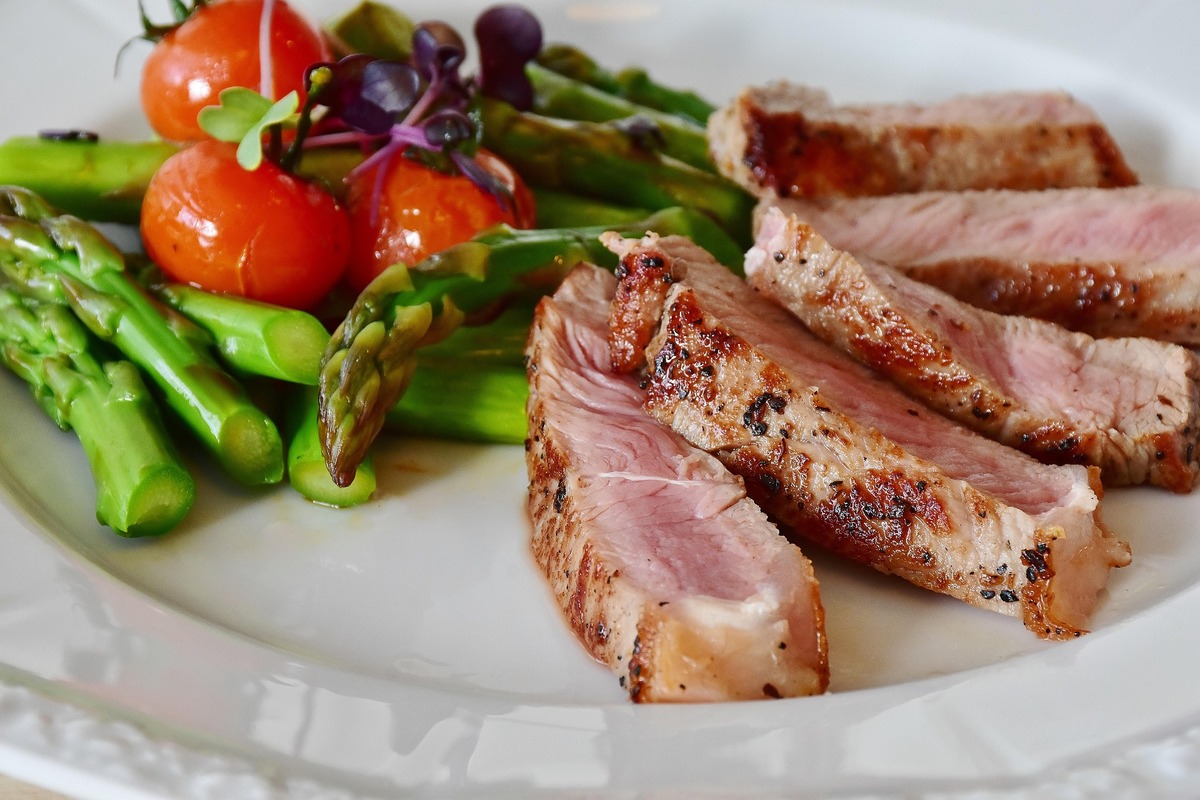
Urban communities are no longer choosing between their health and the health of the planet. Instead, they are redefining sustainable living by merging the efficiency of meal prepping with the ethics of a circular economy. From the high-rises of Tokyo to the lofts of New York, zero-waste living has moved from a niche lifestyle to a mainstream necessity. For the global citizens at intotravels.com, this movement represents the ultimate way to live vibrantly while leaving the smallest possible footprint.
The Intersection of Health and Sustainability
In 2026, "Healthy Living" is no longer just about the nutrients on your plate; it is about the integrity of the entire food system. Urban dwellers have realized that the traditional way of eating—buying pre-packaged ingredients and discarding scraps—is both economically and environmentally unsustainable.
Zero-waste meal prep is built on the philosophy of "Root-to-Stem" eating. It encourages the use of every part of an ingredient, reducing waste while maximizing nutrient intake. In many cases, the parts of the plants we used to throw away—like broccoli stalks, beet greens, and potato skins—are actually the most nutrient-dense portions. By embracing zero-waste prep, urban communities are unlocking a higher level of "functional nutrition" that supports busy, high-energy lifestyles.
The Pillars of the Zero-Waste Kitchen in 2026
To achieve a zero-waste kitchen in a compact urban environment, city dwellers are utilizing four key strategies that have become the standard for 2026.
1. The Rise of "Naked" Bulk Shopping
Urban centers have seen a massive resurgence of package-free grocery stores. Modern shoppers bring their own smart-containers to "tap-and-fill" stations for everything from grains and legumes to oils and vinegars. This eliminates the need for plastic packaging and allows residents to buy exactly the amount they need, reducing the likelihood of food expiring in the back of the pantry.
2. Digital Inventory and AI Meal Planning
The smart kitchens of 2026, which we have explored in previous features, play a vital role here. AI-driven apps now sync with a kitchen's inventory to suggest recipes based only on what is currently in the fridge. These apps prioritize "expiring soon" items, ensuring that a half-used bunch of kale or a single bell pepper becomes the star of the next meal rather than a contribution to the landfill.
3. Community Composting and Micro-Gardening
Even in the smallest apartments, urbanites are finding ways to close the loop. High-tech, odorless countertop composters have become a standard appliance. These devices turn food scraps into nutrient-rich soil in a matter of hours, which is then used in vertical balcony gardens to grow fresh herbs and micro-greens. For those without a garden, community "compost-sharing" apps allow residents to donate their scraps to local urban farms.
4. Reusable Preservation Technology
The "plastic wrap" and "zip-lock" bags of the past have been replaced by advanced, reusable materials. Silicone "stretch-lids," beeswax wraps, and vacuum-sealed glass containers are the tools of the trade. These not only keep prepped meals fresher for longer but also eliminate the toxic chemicals often found in disposable plastics.
The Meal Prep Strategy: Efficiency without Excess
In 2026, meal prepping has evolved from a chore into an art form. Urban communities are adopting a "Batch and Blend" strategy:
Component Prepping: Instead of cooking five identical meals, urban preppers cook components—roasted root vegetables, a large batch of mycoprotein or grains, and a variety of sauces. This prevents "palate fatigue" and allows for flexible assembly.
Scrap-Based Bases: The stems, peels, and ends of vegetables are collected throughout the week in a "Stock Box." At the end of the week, these are boiled down into a rich, mineral-dense vegetable broth that serves as the base for the following week’s soups or grain dishes.
Preservation Hacks: Techniques like quick-pickling and fermenting are used to extend the life of fresh produce. A jar of "zero-waste" pickled onions or fermented cabbage adds a probiotic punch to any meal while ensuring no vegetable goes to waste.
Zero-Waste Living for the Modern Traveler
For the followers of intotravels.com, zero-waste meal prep is a vital skill for sustainable exploration. Traveling often forces us into a cycle of "on-the-go" waste, but the 2026 traveler is better prepared.
The "Traveler's Prep Kit"
When heading to a new city, zero-waste enthusiasts pack a compact kit: a collapsible silicone container, a set of bamboo utensils, and a filtered water bottle. By prepping a "departure meal" at home, they avoid the excessive packaging of airport food. Once at their destination, they use local farmers' markets to prep "hotel-room salads" or "Airbnb bowls," allowing them to eat healthily while avoiding the plastic-heavy options often found in tourist hubs.
Supporting Local Circular Economies
Travelers are increasingly seeking out "Zero-Waste Cafes" and "Circular Hotels." These establishments prioritize local sourcing and have a "closed-loop" waste system. By choosing these destinations, travelers support the urban communities that are leading the charge in sustainable innovation.
The Economic and Psychological Benefits
Beyond the environmental impact, zero-waste meal prep offers significant personal benefits. In 2026, urban living is expensive; reducing food waste is equivalent to a significant pay raise. Statistics show that the average urban household in 2026 saves up to 30% on their grocery bills simply by utilizing everything they buy.
Psychologically, the movement has fostered a sense of "Mindful Consumption." There is a deep satisfaction in knowing that your lifestyle is not contributing to the degradation of the planet. This "eco-consciousness" reduces the underlying anxiety many feel about the climate, replacing it with a sense of agency and community connection.
Challenges of the Urban Zero-Waste Movement
The transition hasn't been without obstacles. Space remains the biggest challenge for urban dwellers. Manufacturers have responded by creating "multi-functional" prep tools—a single device that can chop, steam, and vacuum-seal, for example.
Accessibility is the second challenge. In 2026, community leaders are working to ensure that "Food Deserts" are replaced by "Sustainability Hubs," making bulk shopping and fresh produce affordable for all, not just the wealthy.
Conclusion: A Future of Abundance, Not Deprivation
The rise of zero-waste meal prep in urban communities marks a turning point in human history. We are moving away from a "disposable" mindset and toward a "stewardship" mindset. We have learned that sustainable living doesn't mean eating less or enjoying food less; it means eating better and enjoying food more because it aligns with our values.
For the explorers at intotravels.com, every meal prepped without waste is a vote for a cleaner, greener world. Whether you are in your own kitchen or a shared space across the globe, the power to redefine healthy living is in your hands—and in your reusable containers.
The cities of 2026 are no longer just concrete jungles; they are becoming thriving ecosystems of circular nutrition. By embracing zero-waste meal prep, we aren't just saving the planet—we are saving ourselves.
Zero-Waste Meal Prep Checklist (2026 Edition)
| Step | Action | Benefit |
|---|---|---|
| Shop | Use "Naked" bulk bins & reusable jars | Zero packaging waste |
| Prep | Utilize "Root-to-Stem" techniques | 20-40% more micro-nutrients |
| Store | Vacuum-sealed glass & silicone | Keeps food fresh 3x longer |
| Cycle | Countertop composting of scraps | Creates soil for home gardens |
| Track | Sync with AI Inventory apps | Prevents food expiration |
| Travel | Pack a "Sustainable Transit Kit" | Avoids airport & hotel plastic |


