
Ghost Forests No More: Massive Drone-Led Reforestation Projects Show First Results.
In 2026, the term "Ghost Forest"—once a haunting symbol of ecological decay—is beginning to lose its sting. For years, these skeletal remains of coastal and inland woodlands, killed by saltwater intrusion or devastating wildfires, stood as grim monuments to a changing climate. However, the tide has turned.
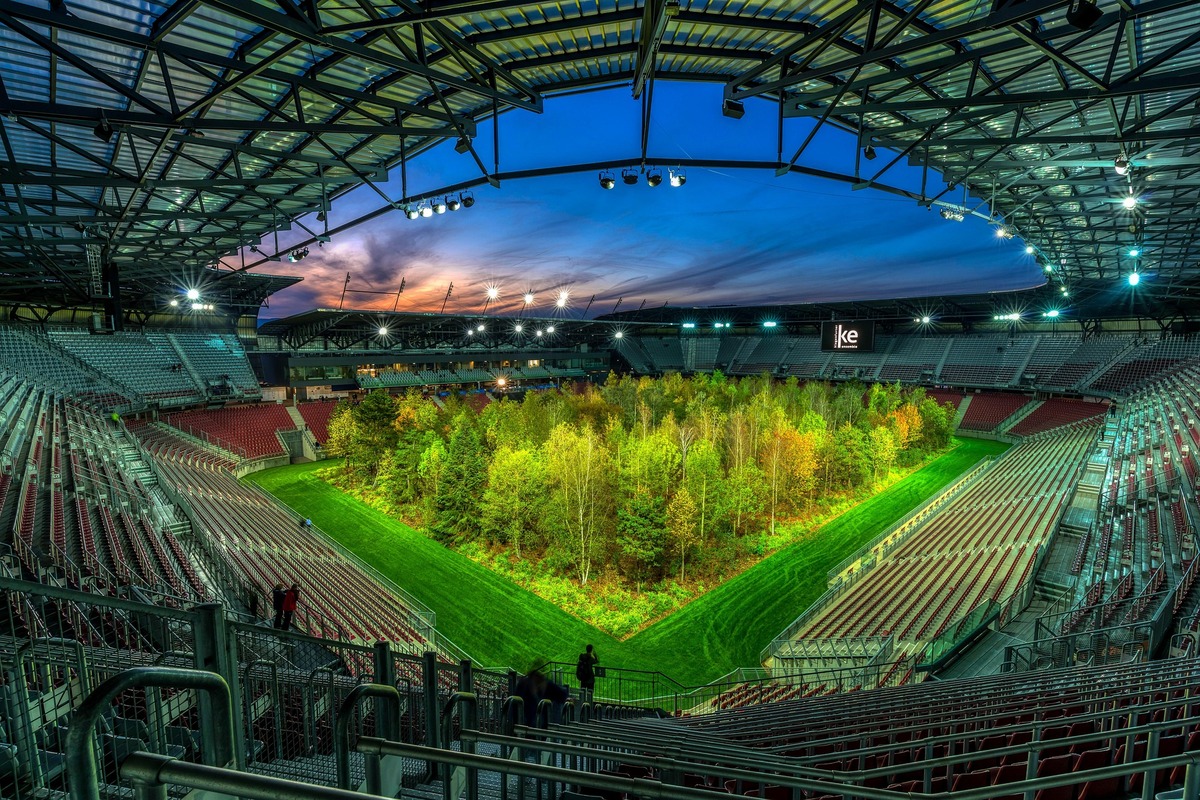
Thanks to the maturation of autonomous drone swarms and AI-driven silviculture, massive reforestation projects are reporting their first successful results. From the marshlands of the American East Coast to the fire-ravaged peaks of the Andes, the "Ghost Forest" is being replaced by a resilient, digital-first "New Growth."
1. The 2026 Breakthrough: From Pilot to Planet-Scale
The year 2026 marks a critical milestone: the transition from experimental "seed-bombing" to Precision Reforestation. Early drone efforts often suffered from low germination rates, but the 2026 data shows a 12–30% improvement in seedling survival compared to just two years ago.
The Power of the Swarm
The modern reforestation drone is no longer a lone pilot-operated toy. Today’s projects utilize Autonomous Swarms. Controlled by a single supervisor, a pair of pilots can now oversee a fleet that plants up to 100,000 trees in a single day. To put that in perspective, a manual planter might typically plant 1,500 trees in the same timeframe.
These swarms operate with "Form-1" efficiency, returning to mobile "depots" on mountainsides or coastlines for rapid reloading of "seed pucks" before launching again to follow a pre-defined, AI-optimized flight path.
2. Advanced "Seed Pod" Technology: The Secret to Survival
The primary reason 2026 is seeing the "First Results" of these projects is the evolution of the Encapsulated Seed Pod. In a ghost forest, the soil is often hostile—too salty, too dry, or stripped of nutrients.
The Bio-Shield Pucks
Modern drones fire specialized pods (often called "pucks") deeper into the soil using pneumatic launchers. These pods are not just seeds; they are mini-ecosystems:
Biodegradable Coatings: Engineered to protect the seed from birds and rodents while retaining moisture for months of drought.
Microbial Boosters: Infused with specific fungi and bacteria (mycorrhizae) that help roots thrive in degraded soil.
Pre-Germination: Seeds are "primed" so they begin growing weeks faster than they would in nature, giving them a head start against invasive species.
3. Real-Time Mapping: Choosing the "Sweet Spot"
Drones in 2026 do more than just drop seeds; they are the "eyes" of the forest. Every project begins with a Multispectral Mapping Phase.
LiDAR and AI Analysis
Using LiDAR (Light Detection and Ranging) and thermal sensors, drones map the terrain to a resolution of mere centimeters. AI algorithms then analyze this data to identify "High-Probability Zones"—areas where the soil moisture, shade, and slope provide the best chance for a specific tree species to survive.
This level of spatial targeting ensures that we aren't just "spraying and praying," but strategically placing every tree where it has the best chance to reclaim a ghost forest.
4. Case Studies: The 2026 Success Stories
Across the globe, the first visible results are providing a blueprint for the future of "phygital" (physical + digital) conservation.
| Region | Project Focus | 2026 Results |
|---|---|---|
| Atlantic Coast, USA | Salt-Tolerant Mangroves | 40% canopy recovery in former "ghost marsh" zones. |
| Canadian Rockies | Post-Wildfire Pine & Spruce | 2.9 million trees planted across 50+ project sites with high survival. |
| Borneo, SE Asia | Peatland & Rainforest | Integration of drones with eDNA to track returning wildlife species. |
| Central Chile | Mountain Reforestation | Large-scale restoration in Valparaíso using satellite-guided drones. |
The "eDNA" Connection
In the Peruvian Amazon and Borneo, 2026 projects are using drones to collect environmental DNA (eDNA) from the canopy. The results are stunning: in areas where drone-led reforestation began three years ago, genetic material from as many as 50–200 vertebrate species is being detected, signaling that the "Green Heart" is beating again.
5. Economic and Social Impact: Empowering Communities
A common misconception is that drones replace people. In 2026, the most successful projects are those that empower local communities.
The "Community Drone" Model
Research from the University of Bristol in 2025/26 has shown that inexpensive, second-hand drones are being used by community forest organizations to monitor carbon storage and document illegal encroachment. By 2026, "Drone Forestry" has become a high-skill job for local residents in emerging economies, allowing them to manage their own land tenure and promote Ecotourism Businesses.
6. Monitoring and Transparency: The Blockchain Ledger
One of the biggest hurdles for reforestation has been "Trust." In 2026, many drone-led projects use Blockchain-Based Traceability.
Every seed pod dropped is a data point.
Satellites like Copernicus and Planet Labs provide "Overhead Truth," verifying the growth of the forest in real-time.
Investors and NGOs can see a "Digital Twin" of the growing forest, ensuring that every dollar spent is resulting in a living tree.
7. Challenges: The Survival Rate Struggle
Despite the high-tech optimism, 2026 is also a year of learning from failure.
Low Survival in Extreme Heat: In some desertified regions, survival rates still struggle to hit 10%.
Weather Limitations: Heavy wind and rain can still ground drone swarms for weeks.
Financial Constraints: Scaling these technologies to the "One Billion Tree" goal requires massive capital that is still primarily concentrated in developed nations.
Summary: A Future Beyond the Ghost Forest
The "Ghost Forest" was once a warning of a dying world. In 2026, it has become a canvas for a technological rebirth. By combining the speed of the drone, the intelligence of the algorithm, and the resilience of the seed, we are doing more than just planting trees—we are restoring hope.
At intotravels.com, we see these reforested zones as the next great destinations for "Regenerative Travel." Tomorrow's tourists won't just visit ancient woods; they will walk through the "Drone-Grown" forests of 2026, witnessing the exact moment humanity decided to fight back.


