
How to Travel Sustainably: Eco-Friendly Travel Guide
Travel allows us to discover new cultures, landscapes, and perspectives. However, tourism also impacts the environment and local communities. From carbon emissions to plastic waste and overtourism, the way we travel matters. The good news is that sustainable travel is achievable with mindful planning and responsible choices. This eco-friendly travel guide will help you reduce your environmental footprint while still enjoying unforgettable adventures.
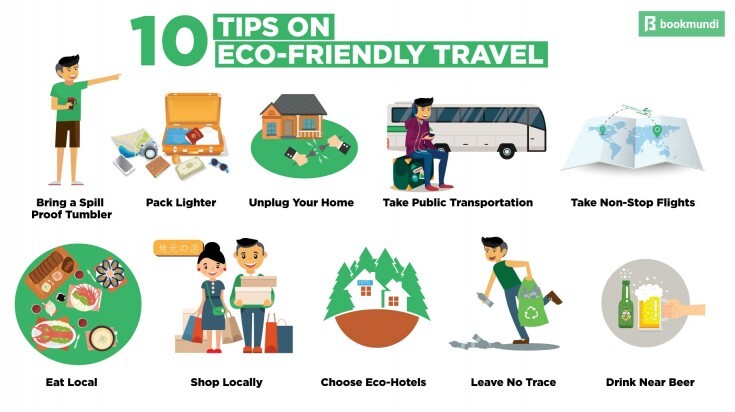
What Is Sustainable Travel?
Sustainable travel means minimizing negative environmental, social, and economic impacts while maximizing positive contributions to local communities. It involves making conscious decisions before, during, and after your trip to protect natural resources and respect cultural heritage.
Responsible tourism ensures that future generations can continue to enjoy the destinations we love today.
Choose Eco-Friendly Transportation
Transportation is one of the largest contributors to travel-related carbon emissions.
Fly Smarter
Choose direct flights when possible
Pack light to reduce aircraft weight
Consider carbon offset programs
Use Public Transport
Buses, trains, and subways have a lower environmental impact compared to private taxis or rental cars.
Walk or Bike
Exploring a city on foot or by bicycle not only reduces emissions but also allows you to experience destinations more authentically.
Stay in Sustainable Accommodations
Many hotels and resorts now implement eco-friendly practices such as:
Energy-efficient lighting
Water-saving systems
Recycling programs
Locally sourced food
Look for accommodations that demonstrate clear sustainability commitments rather than vague marketing claims.
Reduce Plastic and Waste
Single-use plastics are a major environmental issue in tourism-heavy areas.
Pack Reusable Essentials
Refillable water bottle
Reusable shopping bag
Travel utensils
Metal or bamboo straw
Avoid Excess Packaging
Buy local products with minimal packaging and refuse unnecessary plastic bags.
Support Local Communities
Sustainable travel also means contributing positively to the local economy.
Eat Local
Choose locally owned restaurants and markets instead of international chains.
Shop Responsibly
Buy handmade crafts directly from local artisans rather than mass-produced souvenirs.
Respect Cultural Traditions
Learn basic customs and dress appropriately to show respect for local culture.
Protect Wildlife and Natural Areas
Avoid activities that exploit animals or damage ecosystems.
Do not ride wild animals or support unethical wildlife attractions
Follow marked trails in national parks
Avoid touching coral reefs while snorkeling
Dispose of waste properly
Responsible behavior preserves fragile ecosystems for future travelers.
Travel Off-Peak When Possible
Overtourism strains infrastructure and harms communities. Visiting during shoulder seasons helps distribute tourism more evenly, reduces crowding, and often lowers travel costs.
Conserve Water and Energy
Small actions make a big difference:
Turn off lights and air conditioning when leaving your room
Reuse towels instead of requesting daily replacements
Take shorter showers
Mindful consumption reduces strain on local resources.
Offset Your Carbon Footprint
If flying is unavoidable, consider contributing to verified carbon offset programs that invest in renewable energy or reforestation projects. While not a perfect solution, offsetting can help mitigate environmental impact.
Final Thoughts
Sustainable travel is about making thoughtful choices that protect the planet and support the people who call your destination home. By reducing waste, choosing eco-friendly transportation, respecting wildlife, and supporting local communities, you can explore the world responsibly. Traveling sustainably doesn’t mean sacrificing comfort or enjoyment—it simply means being more aware and intentional. Let your journeys leave positive footprints, not environmental damage. 🌱🌍✈️


