
Silent National Parks: Where to Find Restoration in the World’s Quietest Nature Reserves This Year
In our modern, hyper-connected era, silence has become the ultimate luxury. We live in a world defined by the constant hum of traffic, the ping of digital notifications, and the ambient noise of urban sprawl. Scientific research increasingly suggests that "noise pollution" is not just an annoyance—it is a physiological stressor. Conversely, true silence—or rather, the presence of only natural soundscapes—has the power to lower cortisol levels, improve cognitive function, and restore the human spirit.
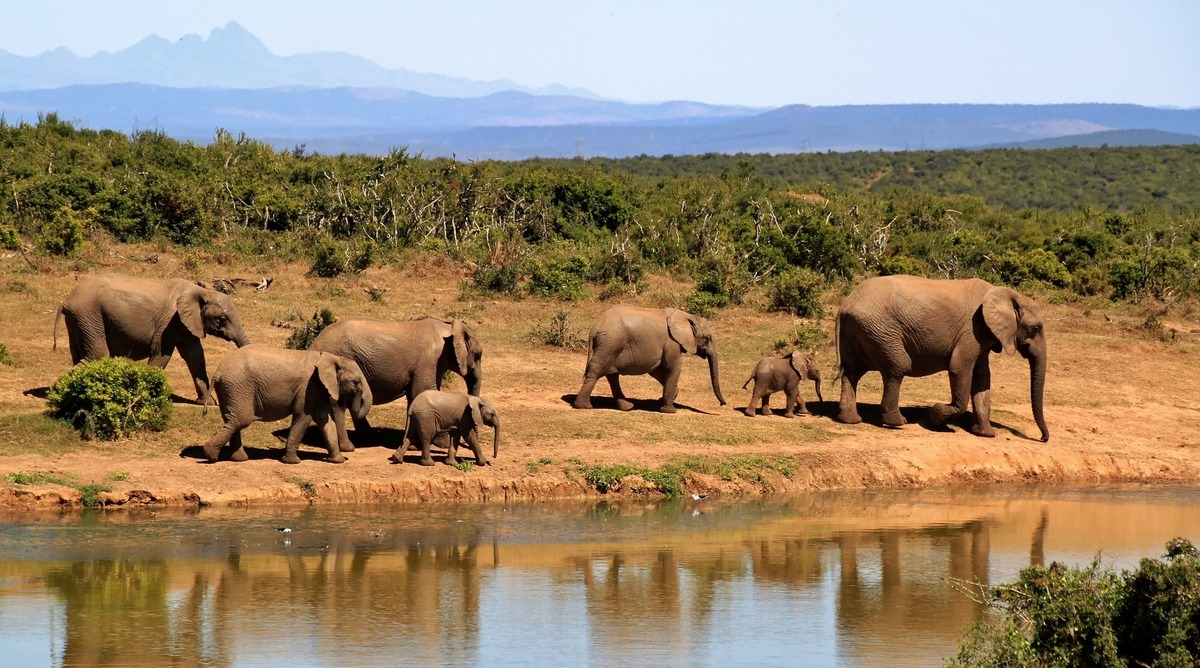
As we move through 2026, a new travel trend is emerging: Acoustic Tourism. Travelers are no longer just looking for beautiful views; they are seeking "Quiet Parks." These are protected regions where human-made noise is at an absolute minimum, allowing the symphony of wind, water, and wildlife to take center stage.
If you are feeling burnt out and overstimulated, here is your definitive guide to the world’s most restorative silent national parks and nature reserves.
The Science of Silence: Why We Need Quiet Spaces
Before diving into the destinations, it is essential to understand why silence is restorative. Nature is never truly "silent." Instead, it is filled with geophony (the sounds of earth, like wind and rain) and biophony (the sounds of living organisms).
Studies in environmental psychology show that human brains process natural sounds differently than mechanical ones. While a leaf rustling or a distant bird call helps the nervous system settle into a state of "soft fascination," the sound of a jet engine or a highway triggers a "fight or flight" vigilance. By visiting these quiet reserves, you are effectively giving your brain a much-needed "hard reset."
1. Olympic National Park, USA: The "One Square Inch of Silence"
Located in Washington State, Olympic National Park is home to one of the most famous quiet spots on Earth. Deep within the Hoh Rainforest lies a place designated as "One Square Inch of Silence."
The Acoustic Landscape
The Hoh Rainforest is a lush, moss-draped cathedral of ancient trees. The dense vegetation acts as a natural sound absorber, dampening noise and creating an acoustic environment that is incredibly rare. On a windless day, the silence here is so profound that you can hear the heartbeat of the forest.
Restoration Tip: Hike the Hoh River Trail. The further you move away from the visitor center, the more the mechanical world fades away.
What to Listen For: The soft "plink" of moisture dropping from Sitka spruces and the low-frequency bugle of Roosevelt elk.
2. Sinharaja Forest Reserve, Sri Lanka: A Tropical Symphony
While many associate silence with stillness, in the tropical UNESCO-listed Sinharaja Forest Reserve, restoration comes through the purity of biological sound. This is one of the last viable areas of primary tropical rainforest in Sri Lanka.
Why it Restores the Soul
Because the reserve is mountainous and difficult to access by vehicle, the interior remains free from the rumble of engines. It is a sanctuary of "pure" sound. The layers of bird calls and the rhythmic drone of cicadas create a white-noise effect that is deeply meditative.
The Experience: Engaging in "Forest Bathing" (Shinrin-yoku) here allows you to tune into the micro-sounds of the jungle—the scuttle of a lizard on dry leaves or the distant rush of a hidden waterfall.
3. Grasslands National Park, Canada: The Sound of the Infinite
For those who find peace in wide-open spaces, Grasslands National Park in Saskatchewan offers a type of silence that feels infinite. This is one of the few places in North America where the original prairie landscape remains undisturbed.
The Quiet of the Plains
There are no trees to rustle here, and very few visitors. The silence is "big." It allows your ears to stretch to the horizon. In 2026, as urban density increases, the psychological relief of standing in a 360-degree vista of quietude cannot be overstated.
Dark Sky Preserve: Not only is it quiet by day, but it is also a Dark Sky Preserve. The lack of light pollution matches the lack of noise, making it a dual-sensory sanctuary.
The Soundscape: The whistling of the wind through the fescue grass and the occasional, lonely cry of a coyote.
4. Bialowieza Forest, Poland/Belarus: Europe’s Ancient Whisper
As one of the last and largest remaining parts of the immense primeval forest that once stretched across the European Plain, Bialowieza is a time capsule.
A Deep, Ancient Quiet
The sheer mass of the old-growth oaks and pines creates an acoustic barrier against the modern world. Walking through Bialowieza feels like stepping back 10,000 years. The silence here is heavy and dignified, rooted in the presence of the European bison that roam freely.
The Restoration Factor: The forest encourages a slow pace. You cannot rush through these woods; you must move quietly to catch a glimpse of the wildlife, which in turn forces you into a state of mindfulness.
5. Namib-Naukluft National Park, Namibia: The Silence of the Sands
Deserts offer a specific kind of "absolute" silence. In the Namib Desert, the oldest desert in the world, the silence is as hot and dry as the orange dunes of Sossusvlei.
The Acoustic Void
In the famous Deadvlei—a white clay pan dotted with skeleton-like trees—the air is often perfectly still. Without the movement of water or a high density of animals, the silence can become almost tangible. It is a place for deep introspection and "digital detox."
The Experience: Climbing "Big Daddy" dune at sunrise. Once you reach the peak, the world below is hushed. It is one of the few places on the planet where you can truly hear the "singing" of the sands as the wind moves the grains.
How to Practice "Quiet Travel" in 2026
To truly benefit from these silent reserves, you must approach them differently than a standard sightseeing trip. Here are the rules for an acoustic-focused journey:
1. The 15-Minute Rule
When you arrive at a quiet spot, sit down and remain perfectly still and silent for at least 15 minutes. It takes about that long for the local wildlife to get used to your presence and for your own ears to "re-calibrate" to the lower decibel levels.
2. Leave the Headphones Behind
It is tempting to hike with a podcast or music, but doing so defeats the purpose of acoustic restoration. Let the environment be your soundtrack. You will be amazed at the complexity of sounds you notice when your ears are "open."
3. Move Solo or in Small Groups
Noise scales with the size of the group. To experience the deepest levels of restoration, consider a solo walk or a small-group guided tour that emphasizes silence.
4. Respect the "Quiet Zone"
If a park has designated quiet zones, adhere to them strictly. Turn your phone to silent (or better yet, airplane mode) and speak only in whispers.
Summary of the World's Quietest Reserves
| Destination | Country | Primary Soundscape | Best Time to Visit |
|---|---|---|---|
| Olympic NP | USA | Temperate Rainforest & Water | May - September |
| Sinharaja | Sri Lanka | Tropical Biophony (Birds/Insects) | January - March |
| Grasslands NP | Canada | Wind & Prairie Wildlife | June - August |
| Bialowieza | Poland | Old-Growth Forest Murmurs | September - October |
| Namib-Naukluft | Namibia | Absolute Desert Stillness | May - October |
Conclusion: Finding Your Inner Quiet
The search for silence is ultimately a search for ourselves. When we strip away the layers of artificial noise, we are forced to confront our own thoughts and the raw beauty of the natural world. The National Parks listed above are more than just tourist destinations; they are "acoustic cathedrals" that offer a rare form of healing.
As you plan your 2026 travels on intotravels.com, consider making room for a "Quiet Trip." Whether it’s the mossy silence of the Pacific Northwest or the ancient whispers of a European forest, the world’s quietest places are waiting to help you find your center again.
The world is loud, but the Earth is quiet. It’s time to listen.


