
The Great Rewilding: How Europe’s New Wildlife Corridors Restored Ancient Migration Routes
For centuries, the map of Europe has been a grid of human intervention. Concrete highways, high-speed railways, and sprawling agricultural monocultures created a fragmented landscape where nature was relegated to isolated "islands" of green. For the continent's large mammals—wolves, lynx, brown bears, and European bison—this fragmentation was a death sentence, cutting off genetic exchange and blocking the ancestral paths they had followed since the last Ice Age.
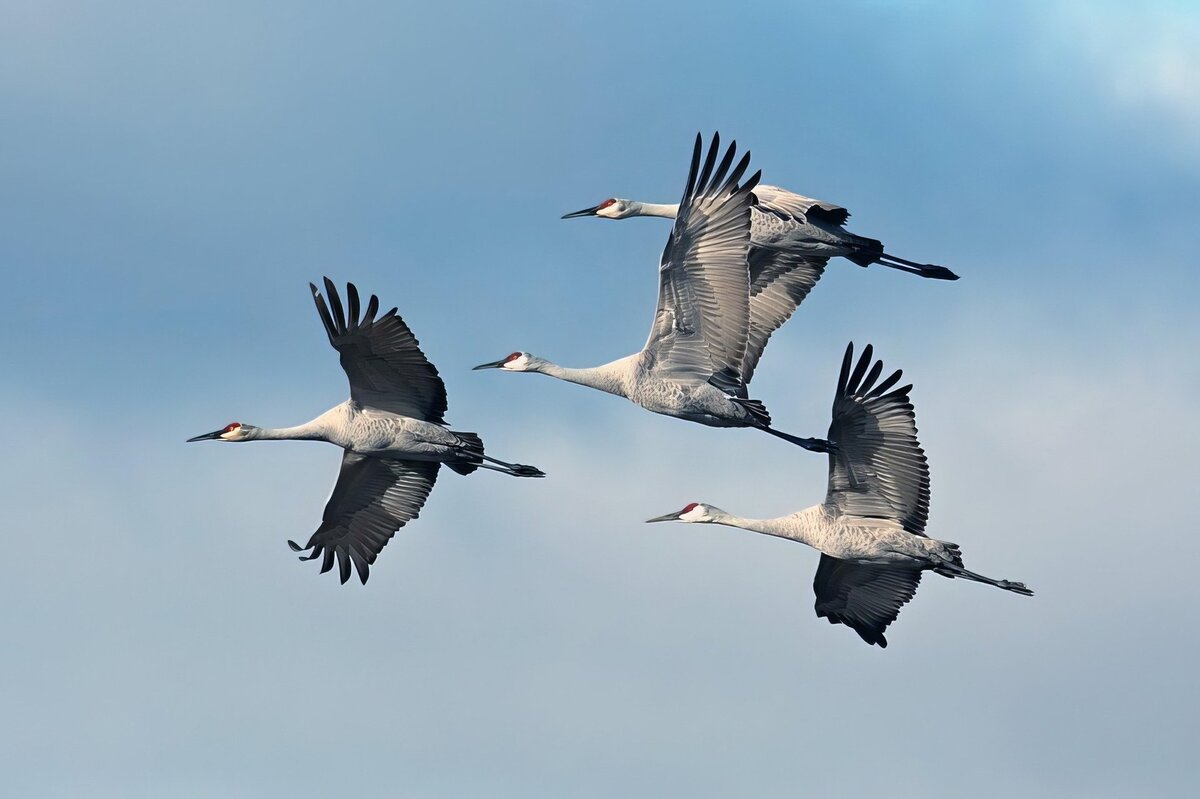
However, as we move through 2026, a quiet but monumental shift has occurred. This is the era of The Great Rewilding. Across the continent, a network of massive wildlife corridors has begun to stitch the landscape back together. By restoring ancient migration routes, Europe is not only saving its biodiversity but also creating a new category of "Wilderness Tourism" that is reshaping the travel industry. On intotravels.com, we explore how these green arteries are bringing the wild back to the heart of the Old World.
1. What are Wildlife Corridors? The 2026 Vision
A wildlife corridor is a functional link between two or more larger areas of natural habitat. In 2026, these are no longer just small "green bridges" over motorways. They are Continental Arteries—vast stretches of restored forest, wetlands, and grasslands that allow animals to move, hunt, and breed across national borders.
The Connectivity Revolution
The goal of the Great Rewilding in 2026 is "connectivity." Conservationists have moved away from simply protecting a single park. Instead, they are focused on the Trans-European Nature Network (TEN-N). This initiative aims to ensure that a wolf born in the Italian Apennines could, in theory, travel all the way to the French Alps or the German forests without ever having to cross a dangerous six-lane highway or a sterile cornfield.
2. Restoring the "Big Three" Migration Routes
Three major corridors have become the crown jewels of the European rewilding movement in 2026. These routes are now the primary focus for eco-travelers and wildlife photographers.
The Carpathian-Alpine Bridge
The Carpathians host the largest populations of brown bears and wolves in Europe. Historically, the development of Central Europe cut these mountains off from the Alps.
The 2026 Status: A series of "landscape bridges" and reforestation zones across Austria, Slovakia, and Hungary has reopened the path.
The Impact: For the first time in over a century, young male lynx are being tracked moving from the dense Romanian forests into the Austrian Alps, diversifying a gene pool that was dangerously shallow.
The European Green Belt
Born from the "Iron Curtain" that once divided East and West, this 12,500-kilometer corridor is the longest in the world.
The 2026 Status: What was once a land of minefields and watchtowers is now a "living laboratory." In 2026, this corridor serves as a north-south highway for migratory birds and mammals moving between the Arctic and the Mediterranean.
The Impact: It has become a sanctuary for the European wildcat and the elusive black stork, providing a continuous strip of undisturbed nature through the middle of a crowded continent.
The Iberian Highland Corridor
In Spain and Portugal, the abandonment of rural farmlands has provided a unique opportunity.
The 2026 Status: Large-scale rewilding projects have connected the Sierra Morena with the Montes de Toledo.
The Impact: This corridor has been the literal lifeline for the Iberian Lynx. Once the world’s most endangered feline, the lynx now uses these corridors to expand its territory, with populations reaching record highs in 2026.
3. The Technology of Coexistence
How does a 100-story urban civilization coexist with a migrating bear? The answer in 2026 lies in High-Tech Ecology.
Smart Overpasses and Underpasses
Europe now boasts over 5,000 specialized "Ecoducts." These are not simple concrete bridges; they are engineered ecosystems.
Biophilic Engineering: These bridges are covered in local soil and vegetation, mimicking the surrounding forest.
Acoustic Buffering: Advanced sound-absorbing walls block the noise of the traffic below, ensuring that skittish animals feel safe enough to cross.
Pheromone Trails: In some critical crossings, scientists use synthetic scent markers to guide animals toward the bridge and away from the road.
AI-Driven Traffic Management
In 2026, "Connected Cars" are part of the conservation team. When a GPS-collared elk or bear approaches a road, the animal's location is beamed to a central server. This server then sends a real-time "Wildlife Alert" to all autonomous and semi-autonomous vehicles within a 5-kilometer radius, automatically lowering speed limits until the animal has safely passed.
4. Rewilding Tourism: The New Frontier for Travelers
For the readers of intotravels.com, the Great Rewilding has created an entirely new way to see Europe. We are seeing a shift from "Sightseeing" to "Sign-Seeing."
Tracking the Apex Predators
In 2026, "Rewilding Safaris" are the hottest trend in European travel. These are not passive tours; they are immersive experiences led by "Wildlife Rangers."
The Romanian Bison Trek: Travelers can join rangers in the Southern Carpathians to track herds of European bison, which were reintroduced to the wild and are now thriving.
The Wolf Silence: In the German-Polish borderlands, "Listening Tours" allow guests to experience the primeval sound of wolf packs howling in forests that were silent for two centuries.
The Rise of the "Rewilding Lodge"
Traditional mountain huts are being replaced by eco-luxury lodges that fund the corridors. These lodges often feature:
Citizen Science Labs: Guests can help sort through camera-trap footage or analyze environmental DNA (eDNA) from local streams to identify which species are using the corridor.
Zero-Footprint Design: Buildings that disappear into the landscape, using "Bio-morphic" architecture that provides nesting sites for birds and bats within the walls.
5. The Benefits Beyond Biodiversity
The Great Rewilding isn't just about animals; it's about the survival of the European landscape itself.
| Benefit | How Rewilding Helps | 2026 Observation |
|---|---|---|
| Flood Prevention | Restored wetlands and beaver dams slow down water flow. | Significant reduction in flash flooding in the Rhine and Danube basins. |
| Carbon Sequestration | Natural forests and peatlands store more carbon than timber plantations. | Rewilding zones are now essential to Europe's "Net Zero" 2026 targets. |
| Rural Revitalization | Eco-tourism brings high-value jobs to "dying" villages. | Abandoned villages in Spain and Italy are seeing a "Youth Influx" of eco-entrepreneurs. |
| Mental Health | "Forest Bathing" and access to wild spaces. | Rewilding corridors are being linked to urban "Green Spokes," allowing city dwellers easy access to the wild. |
6. The Challenges of a Wild Europe
Restoring ancient routes in a modern world is not without conflict. In 2026, the primary challenge is Human-Wildlife Conflict.
Livestock Protection: As wolves and bears return, farmers face new risks. The solution has been a mix of "Smart Fencing" and the return of traditional livestock guardian dogs.
Political Borders: While animals don't recognize borders, bureaucracies do. The 2026 "Rewilding Schengen" agreement has helped, but harmonizing conservation laws between EU and non-EU states remains a work in progress.
7. Summary: A Continent Reborn
The Great Rewilding is the most hopeful story of 2026. It proves that nature is not a fragile thing that needs to be kept in a cage, but a resilient force that only needs a little space to thrive. By building bridges—both literal and metaphorical—Europe has ensured that its ancient inhabitants can once again walk the paths of their ancestors.
For the traveler, this means that Europe is no longer just a museum of the past; it is a living, breathing wilderness. On your next trip, look beyond the cathedrals and the cafes. Look for the green line on the horizon—the corridor where the wild is coming home.


