
The "Quiet Travel" Surge: Mental Recovery Retreats Without Wi-Fi Become the Top Luxury Destination
In the hyper-connected world of 2026, where digital saturation has reached an all-time high, the ultimate symbol of wealth is no longer a gold-plated watch or a private jet. Instead, it is silence. The travel industry is witnessing a seismic shift known as the "Quiet Travel" surge. As global burnout levels hit record peaks, luxury is being redefined not by what is added to an itinerary, but by what is removed—specifically noise, crowds, and the constant "ping" of digital notifications.
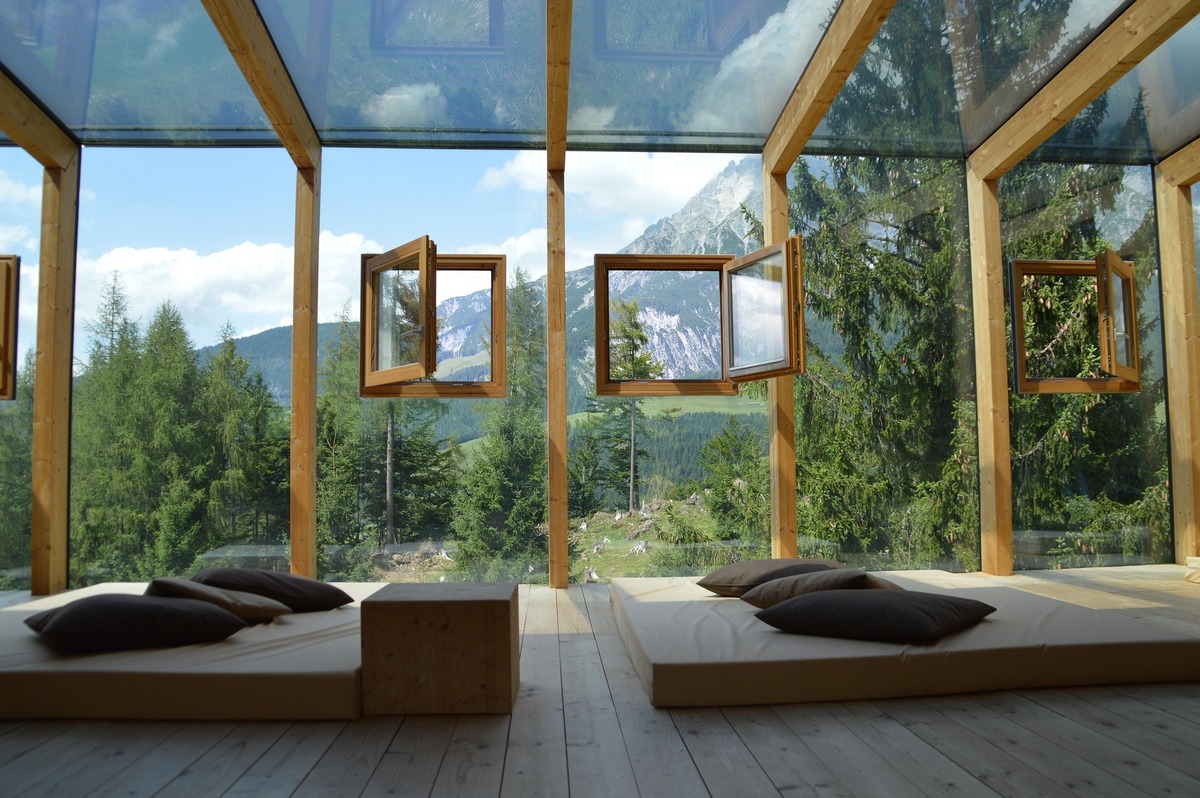
Leading this movement are Mental Recovery Retreats, specialized sanctuaries that operate entirely without Wi-Fi. These destinations have surpassed traditional five-star resorts to become the most sought-after experiences for the modern elite. For the readers of intotravels.com, who understand that the best journeys often lead inward, the "Quiet Travel" trend offers a radical path to reclaiming one's nervous system.
Defining "Hushpitality": The New Era of Acoustic Luxury
The travel industry has coined a new term for this phenomenon: Hushpitality. This goes beyond merely having a quiet room; it is the practice of engineering an entire travel experience around the preservation of peace. In 2026, "Acoustic Luxury" is the primary amenity.
The Architecture of Silence
Luxury properties are now being built using noise-absorbing materials like volcanic stone or cork-integrated wood. The goal is to create a "sound vacuum" where the only audible elements are the natural rhythms of the environment—wind through the trees, the crash of waves, or the crackle of a fireplace.
"Dead-Zoning" as a Premium Service
While high-speed Wi-Fi was once a non-negotiable for luxury hotels, many top-tier retreats now proudly market themselves as "Dead-Zones." These are geographically isolated locations—tucked into the Bhutanese mountains or the heart of the Italian Dolomites—where the terrain naturally blocks cellular signals. For those who cannot self-regulate their screen time, this physical impossibility of connection is the greatest relief of all.
The Science of the "Digital Detox": Why Your Brain Needs the Disconnect
Why are millions of travelers paying a premium to be "disconnected"? The answer lies in the physiological impact of our digital habits.
Cortisol Regulation and the Prefrontal Cortex
Constant notifications keep the brain in a state of "high Beta" wave activity, associated with stress and hyper-vigilance. A three-day stay in a Wi-Fi-free environment allows the brain to transition into Alpha and Theta wave states, which are essential for creative problem-solving and emotional regulation. Without the pressure of social comparison and "FOMO" (Fear Of Missing Out), cortisol levels drop significantly within the first 48 hours.
Restoring the Circadian Rhythm
Blue light from screens is the primary disruptor of melatonin production. At Mental Recovery Retreats, the absence of Wi-Fi naturally leads to a "Sunset Ritual" where travelers rely on firelight or warm-spectrum lanterns. This allows the body to reset its internal clock, often resulting in the deepest, most restorative sleep a traveler has experienced in years.
The Global Leaders in No-Wi-Fi Luxury
For those seeking a total mental reset in 2026, several destinations have emerged as the "Islands of Silence."
| Destination | Property Type | Unique Feature |
|---|---|---|
| Bhutan | Monastic-Style Lodges | High-altitude silence with 17th-century meditation rituals. |
| Azores, Portugal | Eco-Volcanic Retreats | Strict sustainability controls that limit human density. |
| Japan (Kanazawa) | Ryokan Sanctuaries | Minimalist design combined with silent, ritualized dining. |
| Indonesia (Togean Islands) | Off-Grid Eco-Resorts | Zero signal bars and days dictated by the tides. |
| Arizona, USA | Desert "Canyon" Retreats | Sound sanctuaries built into noise-absorbing red rock. |
What to Expect at a Mental Recovery Retreat
A stay at a Wi-Fi-free luxury retreat is a structured journey toward self-discovery. It is not about boredom; it is about purposeful stillness.
1. The "Device Handover" Ritual
Upon arrival, many retreats facilitate a ceremonial "unplugging." Devices are stored in signal-blocking lockboxes. This isn't a punishment, but a shared agreement between the guest and the host to protect the sanctity of the space.
2. Nature-Led Programming
Instead of scrolling, days are filled with "Nature Hits." This includes:
Forest Bathing (Shinrin-yoku): Slow, mindful walks through old-growth forests to lower blood pressure.
Silent Trekking: Guided hikes where communication is non-verbal, allowing the traveler to focus entirely on sensory input.
Cold Plunges and Hot Springs: Using thermal contrast to stimulate the nervous system without the need for digital entertainment.
3. "Silent Service"
In these retreats, even the staff participates in the "Quiet Travel" ethos. Service is intuitive and discreet. Communication with the "concierge" might happen through handwritten notes left on a wooden tray, eliminating the need for apps or phones.
The Benefits: Reaching the "Inner Horizon"
The impact of a Mental Recovery Retreat extends far beyond the duration of the trip. Travelers report a series of profound "after-shocks" once they return to the real world:
Restored Attention Span: The ability to focus on a single task—like reading a book or having a deep conversation—without the urge to check a screen.
Heightened Emotional Intelligence: Without digital distractions, travelers find they are more attuned to their own feelings and the needs of those around them.
Rekindled Passions: Many find themselves returning to "analog" hobbies like sketching, journaling, or photography (using traditional film) that had been abandoned in the digital age.
"Quiet Travel" and the Modern Traveler
For the readers of intotravels.com, the "Quiet Travel" surge is the ultimate response to the "over-tourism" and "over-connectivity" of the early 20s. We are seeing a move away from "ticking off destinations" and toward "Restorative Immersion."
Solo Travel as Self-Discovery
The pursuit of silence is driving a massive surge in solo travel. For many, traveling alone to a Wi-Fi-free destination is the only way to guarantee a free flow of introspection. It is an investment in one’s own mental health—a way to "return to yourself" after a year of performing for the digital world.
The "Traveler's Regulate" Protocol
Sophisticated travelers are now integrating "Quiet Days" into their larger itineraries. After a week of exploring a bustling city like Tokyo or Rome, they retreat to a No-Wi-Fi sanctuary for three days of "regulation" before heading home. This ensures they return from their holiday feeling truly recharged, rather than needing a "holiday from their holiday."
Conclusion: The Luxury of Being Unreachable
The "Quiet Travel" surge is more than just a passing trend; it is a necessary evolution in how we care for ourselves. In 2026, being "unreachable" is the highest status symbol because it implies you have the autonomy to step away from the noise.
Mental Recovery Retreats without Wi-Fi offer a rare commodity: Space. Space to breathe, space to think, and space to simply be. As we continue to explore the world, the most valuable discoveries will not be found on a map, but in the quiet moments between the notifications. At intotravels.com, we invite you to put down the phone, pick up a book, and listen to the beautiful, radical sound of nothing at all.


