
The Rise of "Micro-Retirements": Why Mid-Career Sabbaticals are the Big Travel Trend of 2026
For decades, the standard career trajectory followed a rigid, linear path: work for 40 years, save aggressively, and wait until your mid-60s to finally "see the world." But as we move through 2026, that traditional model is being dismantled. A new movement is taking hold of the global workforce, particularly among Millennials and Gen X professionals: The Micro-Retirement.
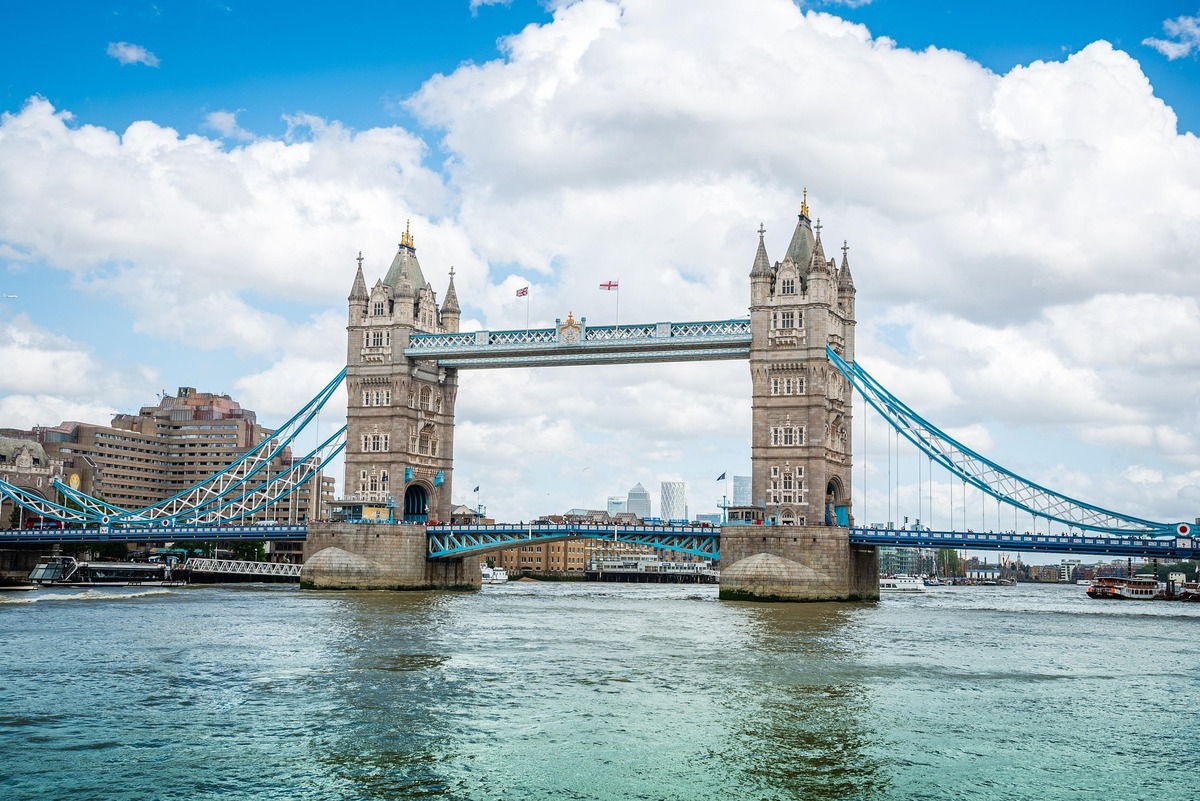
Instead of deferring joy for a distant future, today’s professionals are opting for mid-career sabbaticals—intentional, extended breaks lasting anywhere from three months to a year. These are not mere vacations; they are strategic "resets" designed to prevent burnout, foster personal growth, and experience high-adventure travel while still in peak physical health.
In this guide, we explore why micro-retirements have become the defining travel trend of 2026 and how you can plan your own restorative mid-career escape.
What is a Micro-Retirement?
A micro-retirement (also known as a mini-retirement) is a self-elected career pause. Unlike a standard two-week holiday, which often feels like a frantic race to "relax" before returning to a mounting inbox, a micro-retirement offers enough time to truly detangle from the corporate world.
The philosophy is simple: Distribute your retirement throughout your life rather than saving it for the end. In 2026, this concept has gained mainstream traction due to the rise of remote work, increased awareness of mental health, and a shifting cultural value toward "time wealth" over "material wealth."
Key Differences: Sabbatical vs. Micro-Retirement
Sabbaticals: Usually employer-sanctioned and often unpaid, with a guaranteed job waiting upon return.
Micro-Retirements: More often self-initiated, sometimes involving quitting a role entirely to pivot into a new industry or lifestyle later.
Why 2026 is the Year of the Mid-Career Reset
Several factors have converged to make 2026 the "Year of the Sabbatical." Following the rapid digital transformation of the early 2020s, the "always-on" culture reached a breaking point.
1. The Fight Against "Quiet Burnout"
While "Quiet Quitting" dominated headlines years ago, 2026 is defined by "Quiet Burnout"—a state where high-performers continue to deliver results but feel internally hollow. Professionals are realizing that a weekend at a spa isn't enough to fix a systemic lack of inspiration. A micro-retirement provides the deep "acoustic rest" needed to reignite creative fire.
2. The "Why-cation" Movement
According to 2026 travel reports, travelers are choosing intentions over destinations. This shift, dubbed "Why-cations," prioritizes personal goals like learning a new language in Spain, volunteering for conservation projects in Costa Rica, or training in traditional martial arts in Japan.
3. Financial Re-alignment
The modern workforce is increasingly skeptical of traditional retirement ages. With fluctuating life expectancies and economic shifts, many 30- and 40-somethings prefer to spend their "active years" traveling now, trusting their ability to earn more later, rather than waiting for a retirement age that feels increasingly out of reach.
The Benefits of Taking a Mid-Career Break
Taking 6 months off might seem risky for your resume, but in 2026, recruiters are actually viewing these gaps differently.
Skill Diversification: Many "micro-retirees" use their time to learn high-value soft skills, such as cross-cultural communication or advanced leadership, through global experiences.
Mental Clarity: Stepping away from the daily grind allows for "strategic reflection." Most people return from a sabbatical with a clearer vision of their career goals, often leading to more lucrative and fulfilling roles.
Physical Vitality: High-altitude trekking in Nepal or scuba diving in the Galapagos is significantly more manageable at 35 or 45 than at 70.
Planning Your Micro-Retirement: A Strategic Framework
A successful mid-career break requires more than just a plane ticket. It requires a "Sabbatical Mindset."
Step 1: Define Your "Why"
Are you traveling to rest, to learn, or to transition?
The Restorative Break: Focuses on "Slow Travel," staying in one location for months (e.g., a villa in Tuscany or a beach house in Vietnam).
The Educational Break: Involves structured learning (e.g., a culinary course in Paris or a yoga teacher training in Bali).
The Adventure Break: A multi-country journey focused on physical challenges (e.g., the Silk Road by train or the Pan-American Highway).
Step 2: The Financial "Runway"
Most financial experts recommend the "Sabbatical Cushion" formula:
In 2026, "geo-arbitrage" is a popular strategy—earning in a strong currency and spending your micro-retirement in regions like Southeast Asia, Eastern Europe, or Latin America, where your savings can last three times as long.
Step 3: Negotiating with Your Employer
You might not have to quit. Many forward-thinking companies in 2026 have formalized sabbatical policies to retain top talent.
The Pitch: Frame your break as a way to "recharge for the next five-year push."
The Continuity Plan: Offer a detailed plan on who will cover your responsibilities while you are away.
Top Micro-Retirement Destinations for 2026
Where should you spend your mid-career reset? Here are the top picks for 2026 based on cost, connectivity, and "restoration potential."
| Destination | Vibe | Best For | Average Monthly Cost (USD) |
|---|---|---|---|
| Medellín, Colombia | Eternal Spring | Networking & Remote Work | $1,500 - $2,200 |
| Luang Prabang, Laos | Spiritual Peace | Digital Detox & Nature | $1,200 - $1,800 |
| Tallinn, Estonia | Medieval Tech | Innovation & Baltic Summer | $2,500 - $3,200 |
| Azores, Portugal | Volcanic Wild | Adventure & Hiking | $2,200 - $3,000 |
| Da Lat, Vietnam | Mist & Pine | Creativity & Slow Living | $1,000 - $1,600 |
Overcoming the "Gap Year" Stigma
The biggest hurdle for most mid-career professionals is the fear of being "left behind." However, the narrative has shifted. In 2026, a "blank space" on a resume is often interpreted as a sign of financial independence, self-confidence, and a healthy work-life boundary.
When you return, don't hide the gap. Highlight the "Sabbatical ROI":
“I spent six months in South America, which improved my Spanish to a professional level and allowed me to lead our LatAm expansion.”
“I took a four-month reset to study sustainable architecture in Scandinavia, which I can now apply to our new project.”
Conclusion: The New Luxury is Time
The rise of micro-retirements in 2026 proves that we are no longer willing to trade our best years for a gold watch at 65. Travel is no longer a reward for a lifetime of labor; it is a vital part of a sustainable, long-term career.
If you find yourself staring at your screen, wondering if there is more to life than the next quarterly review, the answer is likely waiting for you in a different time zone. A micro-retirement isn't an escape from reality—it's an investment in a better one.
As you browse the curated journeys here on intotravels.com, ask yourself: If you were to retire for just three months this year, where would you go?


