
The "Sleep Architecture" Boom: AI-Driven Bedrooms That Adjust Oxygen and Temp in Real-Time
For decades, the luxury travel and home wellness industries focused on the superficial: high-thread-count linens, blackout curtains, and the occasional lavender-scented pillow mist. However, as we move through 2026, a radical shift has occurred. We have entered the era of "Sleep Architecture." No longer viewed as a passive state of rest, sleep is now understood as an active, highly complex biological process that can be engineered for peak performance.
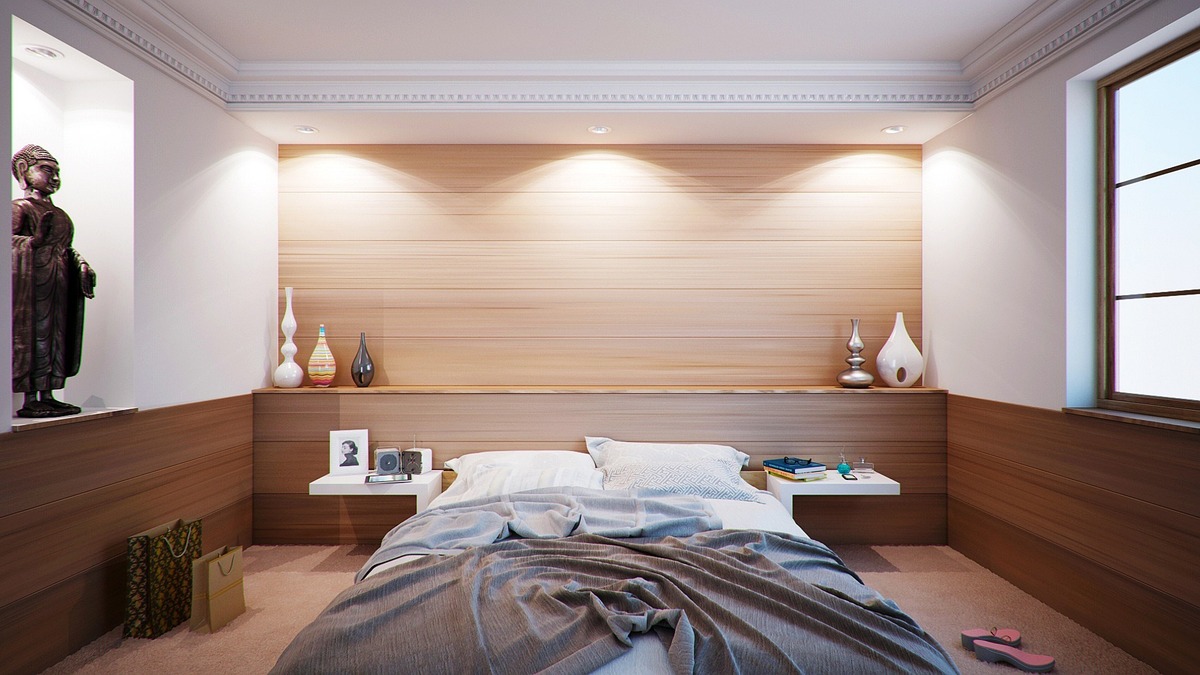
The modern bedroom is being reimagined as a sophisticated medical-grade environment. Driven by artificial intelligence and real-time biometric feedback, these "smart sanctuaries" go far beyond tracking how many hours you slept. They are now actively manipulating the environment—adjusting oxygen levels, air pressure, and ambient temperature in milliseconds—to ensure the user cycles through the stages of sleep with mathematical precision.
What is Sleep Architecture?
In clinical terms, sleep architecture refers to the structural organization of your sleep cycles. A healthy night’s sleep consists of several rounds of Non-Rapid Eye Movement (NREM) and Rapid Eye Movement (REM) sleep.
The Stages of the Night
Stage N1 & N2 (Light Sleep): The transition from wakefulness.
Stage N3 (Deep Sleep/Slow Wave Sleep): The "physical repair" phase where growth hormones are released and tissues are restored.
REM Sleep: The "mental repair" phase associated with dreaming, memory consolidation, and emotional processing.
The "Sleep Architecture Boom" is centered on the idea that the environment should not be static throughout the night. Because the body’s needs change as it moves from deep sleep to REM, the room must evolve in real-time to support those specific biological shifts.
The Core Technologies: Temperature and Oxygen Manipulation
The most significant breakthroughs in 2026 involve the real-time adjustment of atmospheric variables—specifically temperature and oxygen concentration.
Thermal Regulation: The Deep Sleep Catalyst
The human body must drop its core temperature by about 2°F (1°C) to initiate and maintain deep sleep. Traditionally, people set their thermostats to a single number all night. AI-driven bedrooms, however, utilize "Thermal Mapping."
Using infrared sensors in the ceiling and sensors embedded in the mattress, the AI detects the exact moment you enter N3 (Deep Sleep). It then triggers a cooling cycle, lowering the mattress surface temperature and the air immediately surrounding your body. As you transition toward REM sleep—where the body loses its ability to regulate temperature effectively—the AI gently warms the environment to prevent "micro-awakenings" caused by shivering.
Oxygen Enrichment: Enhancing Cellular Recovery
Perhaps the most futuristic element of Sleep Architecture is the use of Oxygen Concentrators. By 2026, high-end suites and luxury homes are equipped with systems that subtly increase the oxygen percentage in the room from the standard 21% to 23% or 24% during the deep sleep phase.
Increased oxygen availability during N3 sleep accelerates muscle recovery and brain detoxification. The AI monitors your respiratory rate; if it detects shallow breathing or a drop in blood oxygen levels (common in mild sleep apnea), it automatically enriches the air, ensuring the brain remains fully oxygenated throughout the night.
AI: The Invisible Architect
The brain of the modern bedroom is an AI engine that learns from your specific biology. This isn't a "one-size-fits-all" setting; it is a personalized algorithm that improves over time.
Biometric Feedback Loops
The bedroom of 2026 uses "contactless sensing." Radar-based sensors (UWB technology) track your heart rate, breathing patterns, and even your toss-and-turn frequency without the need for a wearable device.
If the AI detects a spike in heart rate (indicating a nightmare or stress), it may adjust the ambient soundscape to include soothing low-frequency tones.
If it detects restlessness, it might subtly adjust the firmness of the mattress using pneumatic air chambers to relieve pressure points.
Circadian Lighting and Atmospheric Pressure
Beyond oxygen and heat, the AI manages the "light hygiene" of the room. It mimics the "astrological clock," slowly shifting light from a warm amber (which promotes melatonin) to a blue-enriched white in the morning to suppress melatonin and trigger cortisol release. Some systems even adjust atmospheric pressure to simulate the air quality of high-altitude or coastal environments, depending on what the user's specific biology requires for optimal rest.
Impact on the Luxury Travel Industry
For a platform like intotravels.com, the Sleep Architecture boom is a defining trend for the future of hospitality.
The "Sleep Suite" as a Destination
In 2026, travelers are no longer booking hotels based solely on the view or the spa; they are booking for the "Sleep Lab." Major hotel chains are unveiling suites where the air, light, and sound are completely controlled by AI. For the business traveler crossing time zones, these rooms offer "Jet Lag Mitigation" programs that use specific oxygen and light sequences to reset the internal clock in half the usual time.
Total Customization via the Cloud
The "Sleep Architecture" model allows for a seamless transition between home and hotel. A traveler can carry their "Sleep Profile" on their phone. When they check into a hotel in London or Tokyo, the room's AI downloads their specific preferences—knowing exactly what temperature they need for REM and how much oxygen they require for recovery.
Comparing Traditional Sleep Environments vs. AI Architecture
| Feature | Traditional Bedroom | AI-Driven Sleep Architecture |
|---|---|---|
| Temperature | Static (Manual thermostat) | Dynamic (Adjusts per sleep stage) |
| Air Quality | Standard ventilation | Oxygen-enriched & HEPA filtered |
| Firmness | Fixed mattress | Real-time pneumatic adjustment |
| Lighting | On/Off or Dimmer | Circadian-synced AI lighting |
| Data Usage | None | Real-time biometric feedback loops |
| Goal | Comfort/Rest | Biological optimization & recovery |
The Benefits: Beyond "Feeling Rested"
The Sleep Architecture boom isn't just about avoiding a groggy morning; it is a longevity strategy.
Cognitive Longevity: By maximizing REM sleep, AI bedrooms help the brain clear out amyloid-beta (proteins linked to Alzheimer's).
Athletic Performance: Enhanced oxygen and deep-sleep cooling accelerate muscle protein synthesis, making it a favorite for elite athletes.
Metabolic Health: Proper sleep architecture regulates insulin sensitivity and hunger hormones, aiding in weight management.
Emotional Resilience: Consistent, high-quality sleep stabilizes the amygdala, making the user more resilient to stress and anxiety during the day.
Ethical and Privacy Considerations
As with any AI-driven technology, the collection of intimate biometric data raises concerns.
Data Security
A system that monitors your heart rate and breathing while you are at your most vulnerable must be incredibly secure. The industry is moving toward "Local AI," where the processing happens on a device within the room rather than in the cloud, ensuring that your sleep data remains private.
The "Nocebo" Effect
There is also the risk of Orthosomnia—an obsession with getting the "perfect" sleep score. If the AI tells you that your sleep architecture was poor, you might feel tired even if you feel fine. Developers are now focusing on "passive coaching," where the room makes adjustments without bombarding the user with stressful data points.
Conclusion: The Bedroom as a Bio-Hacking Lab
The "Sleep Architecture" boom marks the end of the bedroom as a simple place of rest. In 2026, it is a high-performance laboratory designed to repair the damage of the day and prepare the body for the challenges of tomorrow. By harnessing AI to manipulate the very air we breathe and the temperature of our skin, we are finally unlocking the true potential of the one-third of our lives we spend in the dark.
For the readers of intotravels.com, whether you are upgrading your home or seeking out the next generation of wellness retreats, the message is clear: the future of health isn't just about how you move or what you eat—it's about the architecture of your sleep.


