
Zero-Emission Summits: Why 2026 is the Year of Eco-Certified Mountaineering
For decades, the image of the intrepid mountaineer stood as a symbol of human triumph over nature. However, as the world’s highest peaks became increasingly crowded, a darker reality emerged: trail erosion, "trash glaciers," and a significant carbon footprint left by expeditions. But as we reach 2026, the narrative has fundamentally changed. This is the year of the Zero-Emission Summit.
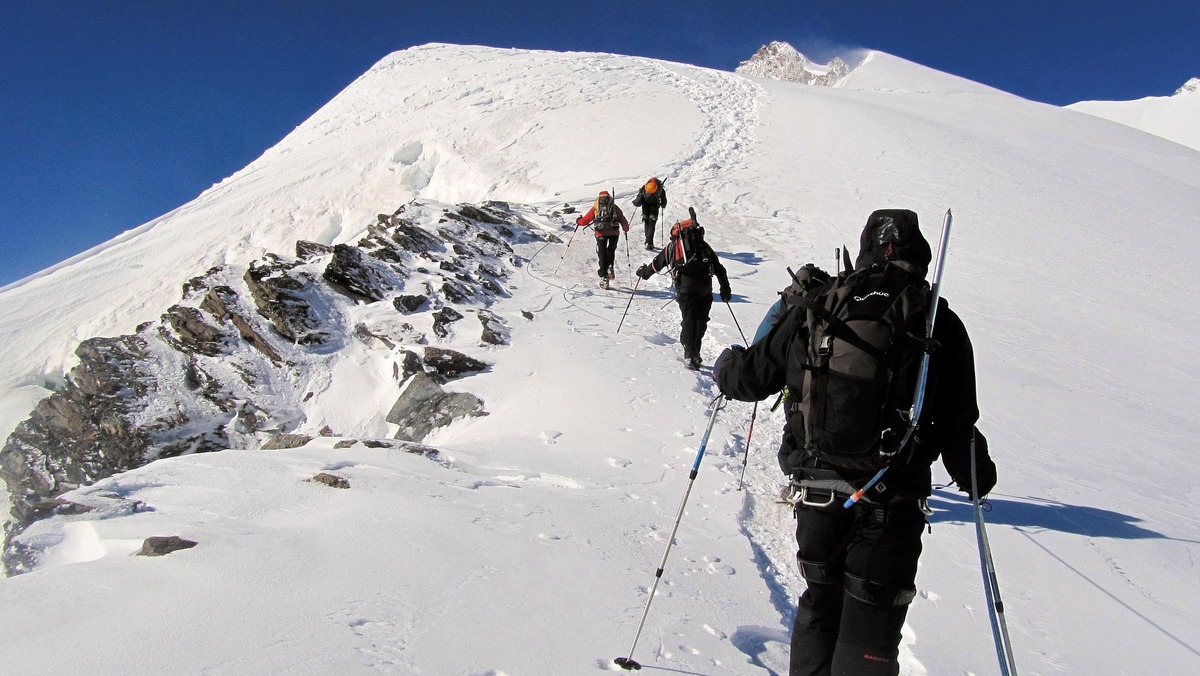
Mountaineering has undergone a radical transformation, shifting from a conquest-driven sport to a conservation-led discipline. In 2026, "Eco-Certified Mountaineering" is no longer an optional badge of honor—it has become the global standard for operating on the world's most iconic peaks. From the Himalayas to the Andes, the climbing community is proving that you can reach the roof of the world without leaving a trace behind.
1. The 2026 Mandate: What is Eco-Certified Mountaineering?
Eco-Certified Mountaineering is a rigorous framework that governs every aspect of a high-altitude expedition. In 2026, major mountain range authorities—including the Nepal Mountaineering Association and the Alpine Clubs of Europe—have synchronized their requirements.
The Three Pillars of the Zero-Emission Summit:
Carbon Neutrality: Every gram of CO2 produced—from international flights to base camp heating—must be offset through verified local high-altitude reforestation or renewable energy projects.
Waste Circularity: A "Net-Negative" waste policy where teams must bring down more weight than they took up, specifically targeting "legacy trash" from previous decades.
Human Impact Management: Strict regulations on human waste disposal, requiring self-contained, biodegradable systems that prevent the contamination of glacial water sources.
2. Technology Fueling the Green Ascent
The transition to zero-emission summits in 2026 would be impossible without a revolution in mountaineering technology. The gear used by 2026 explorers is a marvel of sustainable engineering.
Hydrogen and Solar Base Camps
The roar of diesel generators, once a staple of base camp life, has been silenced. In 2026, base camps are powered by Portable Hydrogen Fuel Cells and high-efficiency, flexible solar arrays.
The "Sun-to-Ice" Method: Solar energy is used to melt ice for water and power communications, while hydrogen provides silent, emission-free heat during the freezing nights.
Biodegradable Gear and Apparel
The "fast fashion" of outdoor gear has ended. 2026 climbers use apparel made from Circular Polymers—fabrics that can be fully depolymerized and remade into new gear at the end of their life. Even the climbing ropes and slings are now made from bio-based dyneema, which has a significantly lower carbon footprint than traditional petroleum-based synthetics.
Electric High-Altitude Drones
In 2026, the use of helicopters for logistics and rescues has been drastically reduced in favor of heavy-lift electric drones. These drones transport supplies to higher camps and remove waste, eliminating the massive carbon emissions and noise pollution associated with traditional rotorcraft in thin air.
3. The "Legacy Clean-Up" Movement
2026 is the year the mountain began to heal. Under the new eco-certification rules, every commercial expedition is required to dedicate a percentage of their Sherpa and guide hours to Legacy Extraction.
Mining the "Trash Glaciers"
As glaciers melt due to climate change, they are revealing decades of frozen trash—old oxygen bottles, tents from the 70s, and discarded gear. In 2026, "Eco-Certified" teams use AI-powered ground-penetrating radar to locate these trash pockets.
The Reward System: Climbers who successfully remove legacy waste receive "Climbing Credits" that can be used for future permit discounts, turning the clean-up into a competitive, community-driven effort.
4. The Economic Shift: The Value of a Green Permit
The cost of climbing in 2026 has increased, but the value proposition has shifted. A "Green Permit" is now a highly coveted asset.
| Feature | Traditional Permit (Pre-2024) | Eco-Certified Permit (2026) |
|---|---|---|
| Waste Deposit | Cash refund on return | Blockchain-verified "Trash-Out" log |
| Energy Source | Fossil Fuel Generators | Solar/Hydrogen Hybrid |
| Porter Welfare | Basic requirements | Mandatory "Living Wage" & Tech-Augmentation |
| Carbon Offset | Optional/Minimal | Compulsory & Verified Local Reinvestment |
By making the permit process transparent and technology-backed, 2026 has ensured that only the most responsible operators can access the peaks. This has led to a "Quality over Quantity" model that benefits both the environment and the local mountain communities.
5. Case Study: Mount Everest’s Green Transformation
In 2026, Mount Everest (Sagarmatha) has become the gold standard for eco-certification. The "Everest 2026 Protocol" includes:
The Biogas Initiative: A massive facility at a lower altitude that converts human waste from the mountain into usable cooking gas for local villages.
Smart Tracking: Every piece of gear taken above Base Camp is tagged with a passive RFID chip. If a tent or bottle is left behind, the expedition's "Eco-Rating" is immediately docked, impacting their ability to operate in future seasons.
6. The Ethical Impact on Local Communities
Eco-certified mountaineering in 2026 is as much about people as it is about the planet. A Zero-Emission Summit requires a healthy, fairly compensated local workforce.
Tech-Augmented Porters
To reduce the physical toll on porters and high-altitude workers, 2026 certifications encourage the use of Exoskeletons. These non-powered or low-powered frames help distribute weight more effectively, reducing long-term joint damage and allowing local workers to have longer, healthier careers.
Educational Reinvestment
A significant portion of the "Eco-Fee" in 2026 goes toward Climate Education for the next generation of mountain guides. Local communities are now the world’s leading experts in high-altitude conservation, turning the "Sherpa" role into one of environmental leadership and scientific data collection.
7. Challenges: The Risk of "Greenwashing" in the Clouds
As with any trend, 2026 faces the challenge of "Greenwashing." Some operators may claim to be zero-emission while cutting corners. To combat this, a global, decentralized "Eco-Log" has been created. Travelers and climbers can check the real-time sustainability rating of any guide company on a public ledger, ensuring that "Eco-Certified" remains a mark of true integrity.
8. Summary: A New Peak for Humanity
The arrival of the Zero-Emission Summit in 2026 marks a new maturity in our relationship with the mountains. We have moved past the era of "conquering" and into an era of stewardship. For the modern climber, the greatest achievement is no longer just standing on the summit—it is standing there knowing that the mountain is cleaner, the community is stronger, and the air is clearer because they were there.
At intotravels.com, we celebrate this new era. The mountains are our most sacred playgrounds, and in 2026, we are finally treating them with the respect they deserve. If you are planning an ascent this year, make sure your footprint is zero, but your impact is legendary.


