
Culinary Tourism 2.0: Virtual Reality Tastings and the Future of Cultural Exploration
The essence of travel has always been rooted in the sensory. We travel to see new horizons, hear unfamiliar languages, and, perhaps most importantly, to taste the world. For decades, culinary tourism meant physically flying to a destination to sit in a local bistro or street market. However, as we move through 2026, the definition of "being there" is undergoing a digital revolution.
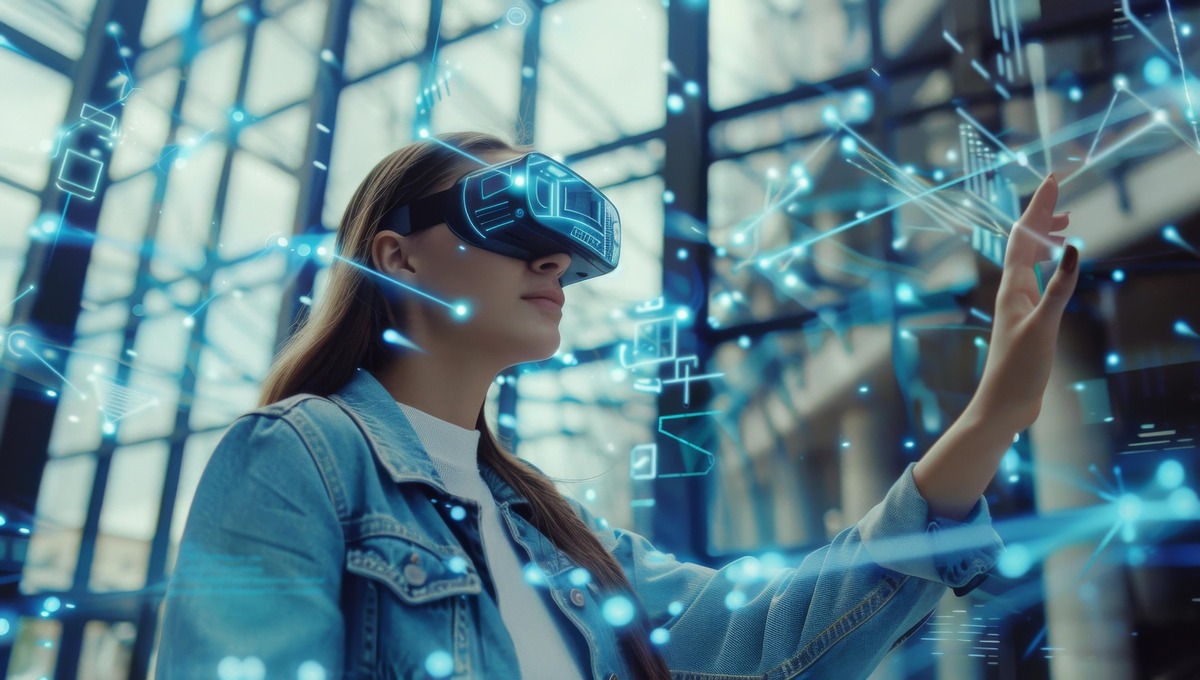
Welcome to Culinary Tourism 2.0. This is the era where the physical and virtual worlds collide, powered by high-fidelity Virtual Reality (VR), haptic feedback, and "Digital Scent" technology. It is a world where a traveler in London can experience a traditional tea ceremony in Kyoto or a vineyard tour in Mendoza without leaving their living room—and remarkably, they can actually "taste" the experience.
At intotravels.com, we explore how these technologies are not replacing traditional travel, but rather enhancing it, creating a new frontier for cultural exploration.
1. What is Culinary Tourism 2.0?
Culinary Tourism 2.0 refers to the use of immersive technology to simulate or enhance the gastronomic journey. While early VR was limited to sight and sound, the 2026 iteration—often called "V-Gastronomy"—incorporates the remaining senses to create a holistic "Virtual Tasting."
The Multi-Sensory Stack
The "2.0" experience is built on three technological pillars:
Immersive Visuals (VR/AR): 8K 360-degree environments that transport you to the heart of a bustling Tuscan kitchen or a high-altitude Andean farm.
Digital Olfaction: Scent-dispensing devices (Olfactive Wearables) that release precise aromatic compounds synchronized with the visual experience.
Taste-Triggering "Aids": The use of "Electric Taste" (galvanic tongue stimulation) or physical tasting kits delivered to your door that correlate with the virtual journey.
2. The Rise of Virtual Reality Tastings
The standout feature of 2026 is the VR Tasting Event. This is no longer a gimmick; it has become a sophisticated marketing and educational tool for the travel industry.
The "Try Before You Fly" Model
Airlines and luxury resorts are now using VR tastings as the ultimate "brochure." Prospective travelers can put on a headset and spend 15 minutes in a virtual version of a resort’s signature restaurant. They can meet the chef (a high-fidelity AI or a pre-recorded hologram), learn about the sourcing of local ingredients, and sample the "vibe" of the location.
This "sensory preview" reduces the friction of booking, ensuring that by the time the traveler arrives in person, they are already emotionally and gastronomically connected to the destination.
3. How Digital Scent and "Electric Taste" Work
The most common question about Culinary Tourism 2.0 is: How can I taste a pixel? In 2026, the answer is a mix of chemistry and neurology.
Scent-Sync Technology
Scientists have identified that up to 80% of what we perceive as "flavor" is actually smell. Modern VR headsets now come with (or can be paired with) small cartridges that house hundreds of primary scent molecules. When the VR user "picks up" a virtual lemon in a Sicilian orchard, the device releases a micro-burst of citric acid and limonene molecules directly into the user’s breathing zone.
The Digital Tongue
The "Taste" element is often handled by Galvanic Tongue Stimulation (GTS). Small electrodes on a specialized tasting utensil or a thin film placed on the tongue use electric currents to mimic the five basic tastes: salty, sour, bitter, sweet, and umami. By varying the frequency and intensity of the current, a VR program can trick the brain into "tasting" the acidity of a wine or the saltiness of a sea-urchin pasta.
4. Reshaping Cultural Exploration
Culinary Tourism 2.0 is doing more than just selling vacations; it is democratizing cultural education and preserving "Culinary Heritage."
Accessing Forbidden or Fragile Destinations
There are many culinary traditions located in areas that are ecologically fragile or politically unstable. VR tastings allow global citizens to engage with these cultures without causing physical foot traffic or environmental strain.
Example: A virtual journey into the heart of the Amazon to learn about indigenous cacao harvesting. The "visitor" learns about the culture and "tastes" the raw fruit, all while the physical ecosystem remains untouched.
Preserving "Ghost Recipes"
As elders in remote villages pass away, many traditional recipes are at risk of disappearing. In 2026, cultural anthropologists are using VR to record these processes in 3D. Future generations can "enter" these kitchens, watch the exact hand movements of the cook, and experience the intended flavor profile through digital taste replication.
5. The Hybrid Reality: Enhancing the Physical Meal
While "VR-only" experiences are popular for home use, the most exciting development for the 2026 traveler is Augmented Reality (AR) Dining.
The "Smart Plate"
When you sit down at a restaurant in a leading 2026 food hub like Singapore or Paris, you might be offered an AR lens. As you look at your plate, digital layers appear:
Provenance Data: A 3D map showing exactly which farm your steak came from.
Molecular Breakdown: Visualizing the nutritional and metabolic impact of the dish.
Cultural Context: While you eat a specific Moroccan tagine, the AR lens surrounds you with the sights and sounds of the Atlas Mountains, explaining the history of the spices used in that specific bite.
This is "Table-side Storytelling" taken to the next level, turning a 30-minute meal into a deep cultural masterclass.
6. Global Hubs of Culinary Tourism 2.0
If you want to experience the cutting edge of V-Gastronomy in 2026, these cities are the leaders:
| City | The Virtual Experience | Key Technology |
|---|---|---|
| Tokyo, Japan | "Cyber-Sushi" History Tours | Haptic gloves for texture simulation. |
| Lyon, France | Virtual "Bouchon" Cooking Classes | AI-Chef avatars with real-time feedback. |
| San Francisco, USA | "Molecular Meta-Bars" | Digital scent-infused cocktail lounges. |
| Seoul, South Korea | Ancestral Fermentation VR | Micro-climate simulation (heat/humidity). |
7. The Ethical and Physical Challenges
Despite the wonder of Culinary Tourism 2.0, 2026 has brought its share of debates.
The "Uncanny Valley" of Taste: Critics argue that digital taste can never replicate the "soul" or the "accidental imperfections" of a real meal. There is a risk that the digital version becomes a "sanitized" caricature of a culture.
Health and Safety: Regulating the electrical stimulation of the tongue and the inhalation of synthetic scents is a new frontier for health authorities.
The Loss of Physical Connection: There is a fear that if the virtual version is "good enough," people will stop supporting the physical economies of local communities.
8. Summary: The Future is "Phygital"
Culinary Tourism 2.0 is not the end of travel; it is the beginning of a more informed, more accessible, and more immersive way to explore our world. By using VR and AR to bridge the sensory gap, we can foster a deeper appreciation for the world’s diverse food cultures before we even pack a bag.
For the readers of intotravels.com, these technologies are tools for "Pre-Discovery." They allow us to become better travelers—more knowledgeable about the stories behind our food and more conscious of the impact our physical presence has on the world.
In 2026, the world is at your fingertips, and its flavors are on the tip of your tongue. Whether you are exploring a virtual market from your sofa or using AR to decode a meal in a foreign land, the "Global Kitchen" has never been closer.


