
Urban Vertical Gardens: Bringing the 'Farm-to-Table' Concept to 100-Story Skyscrapers
As the global population continues to tilt toward massive urban centers, the traditional image of a farm—vast horizontal stretches of green under an open sky—is undergoing a radical vertical transformation. In 2026, the "Farm-to-Table" movement has reached a literal new peak. No longer confined to the rural outskirts, agriculture has moved into the heart of the metropolis, climbing the glass facades of 100-story skyscrapers.
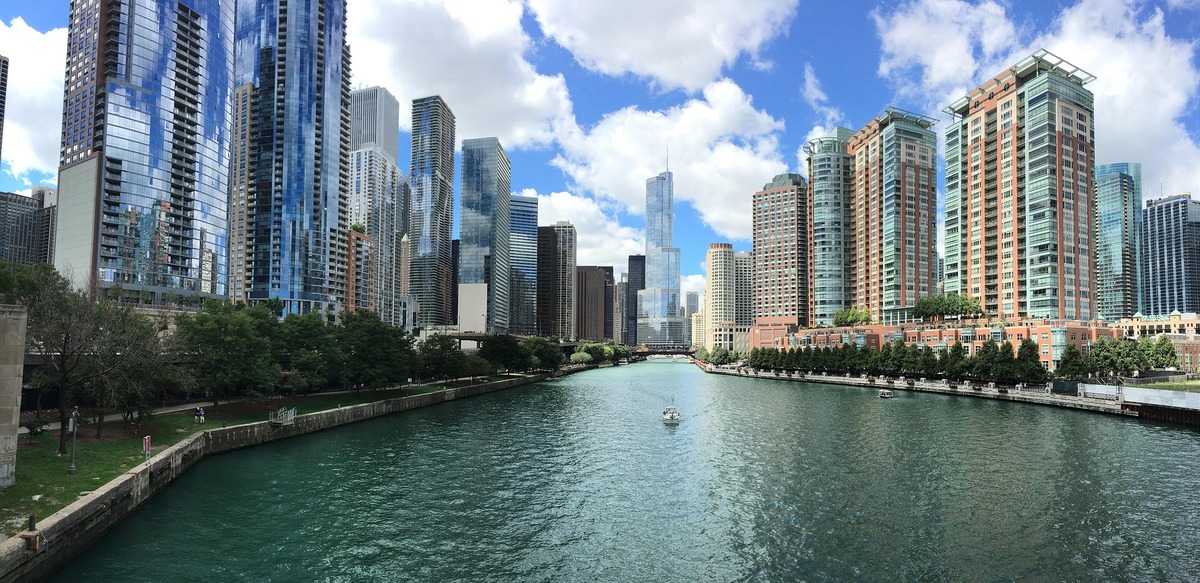
This is the era of High-Rise Agronomy. For travelers and urbanites navigating the mega-cities of the world, these "Living Towers" are not just architectural marvels; they are self-sustaining ecosystems that are redefining food security, luxury dining, and urban wellness.
1. The Sky-High Evolution of Farm-to-Table
The traditional "Farm-to-Table" model relied on logistics: trucking produce from rural farms to city restaurants. In 2026, the "Farm" and the "Table" often exist within the same building. This shift is driven by a necessity for sustainability and a consumer demand for hyper-freshness.
The Vertical Advantage
Vertical gardens in skyscrapers utilize controlled-environment agriculture (CEA). By moving crops indoors and upward, urban farmers can bypass the limitations of seasons and soil.
Year-Round Production: Controlled LED lighting and climate systems allow for 365 days of harvesting.
Space Efficiency: One acre of vertical farming can yield the equivalent of 10 to 20 acres of traditional soil farming.
Zero Logistics: The "food miles" are replaced by "food floors." Produce is transported via internal elevators, arriving at the restaurant in seconds rather than days.
2. The Technology Powering the 100-Story Farm
Growing food at 1,000 feet in the air requires more than just sunlight. The skyscrapers of 2026 are equipped with sophisticated systems that make vertical gardening viable at an industrial scale.
Hydroponics, Aeroponics, and Aquaponics
Soil is too heavy for skyscraper structures. Instead, 2026 urban farms use:
Aeroponics: Suspending plant roots in a mist of nutrient-rich water. This uses 95% less water than traditional farming and promotes faster growth.
Aquaponics: A closed-loop system where fish (raised in basement or mid-level tanks) provide nutrients for the plants, and the plants filter the water for the fish.
AI-Managed Microclimates: Sensors monitor the CO2 levels, humidity, and light spectrum on every floor, adjusting the environment in real-time to optimize flavor and nutrient density.
3. The Impact on Luxury Gastronomy
For the high-end traveler, the presence of an urban vertical garden changes the dining experience from a meal to an immersion.
The "Harvest-at-Table" Experience
In 2026, Michelin-starred restaurants located on the top floors of skyscrapers like the Burj Khalifa or the Merdeka 118 feature "Live Harvest" stations. Diners can watch as microgreens, rare herbs, and even dwarf fruit trees are plucked from the "Green Wall" next to their table and incorporated into their dish instantly.
Reclaiming Forgotten Varieties
Because these gardens are climate-controlled, chefs are no longer limited to what grows in the local climate. A skyscraper in a desert city like Dubai can grow delicate Alpine strawberries or Japanese Wasabi. This has led to a "Global Palette" that is locally grown, allowing chefs to experiment with exotic flavors without the environmental guilt of air-freight.
4. Wellness and the "Oxygen Effect"
Beyond food, vertical gardens are reshaping the health of urban travelers. Skyscrapers are notorious for "Sick Building Syndrome" caused by recycled air.
Natural Air Filtration
A 100-story skyscraper with integrated vertical gardens acts as a massive carbon sink. The thousands of plants across the building’s "skin" and internal atriums scrub CO2 from the air and release pure oxygen.
Biophilic Design: Research in 2026 shows that guests staying in "Green Skyscrapers" report lower cortisol levels and improved sleep quality.
Therapeutic Gardening: Many luxury hotels within these towers offer "Harvesting Sessions" as part of their spa packages, allowing travelers to reconnect with nature without leaving the city center.
5. Urban Resilience and Food Security
The rise of the 100-story farm is also a matter of survival. In a world of volatile supply chains, the ability for a city to feed itself is a major asset.
The "Edible City" 2026
Cities like Singapore have pioneered the "30 by 30" goal (producing 30% of nutritional needs locally by 2030). Skyscrapers are the primary tool for achieving this. In 2026, many residential and commercial towers are mandated to dedicate at least 10% of their floor space to "productive greenery."
This means that during a global logistics crisis, the residents of a 100-story tower have access to fresh protein (from aquaponics) and vegetables right at their doorstep.
6. Global Leaders in Vertical Skyscraper Farming
As you plan your 2026 travels, these are the iconic "Living Skyscrapers" you must visit:
| Building/Project | City | Unique Feature |
|---|---|---|
| The Oasia Hotel | Singapore | A "living skin" of 21 species of creepers and plants. |
| The Shenzhen Farm Tower | Shenzhen, China | A 51-story tower designed specifically to produce food for 40,000 people. |
| Bosco Verticale (Evolution) | Milan, Italy | The original "Vertical Forest" expanded into high-rise residential farming. |
| The Spiral | New York, USA | Continuous cascading terraces that bring "High-Line" greenery to every floor. |
7. The Challenges of Verticality
Despite the success of 2026, growing food in the clouds isn't without its hurdles.
Energy Consumption: Keeping grow-lights on 24/7 requires massive power. However, most 2026 towers solve this with transparent solar glass and wind turbines integrated into the building’s crown.
Structural Load: Water and plant systems are heavy. Structural engineers now use ultra-lightweight carbon-fiber composites to support the "soil-less" farms on upper floors.
Pollination: In a closed indoor environment, there are no bees. 2026 farms use "Robo-Bees"—tiny drones that mimic the pollination patterns of insects to ensure crops fruit correctly.
8. The Future: Towards "Atmospheric Farming"
Looking toward 2030, the next step is using the altitude of skyscrapers to harvest moisture directly from the clouds—a process known as Atmospheric Water Generation. This would make 100-story farms entirely independent of the city's water grid, creating truly autonomous "Islands in the Sky."
Summary: A Greener Horizon
The integration of vertical gardens into 100-story skyscrapers represents the ultimate reconciliation between technology and nature. In 2026, the city is no longer a "concrete jungle" but a "productive forest."
For the traveler, these towers offer a glimpse into a sustainable future where luxury and responsibility coexist. The next time you check into a high-rise hotel, don't just look at the view—look at the garden growing on the window. You might just be eating it for dinner.


