
Metabolic Menus: The Intersection of Personalized Nutrition and Fine Dining
For decades, the world of fine dining and the world of strict nutrition occupied opposite ends of the spectrum. High gastronomy was synonymous with indulgence—rich sauces, butter-laden pastries, and multi-course tasting menus that left diners in a "food coma." Conversely, "nutrition" was often associated with restriction, blandness, and clinical calculations.
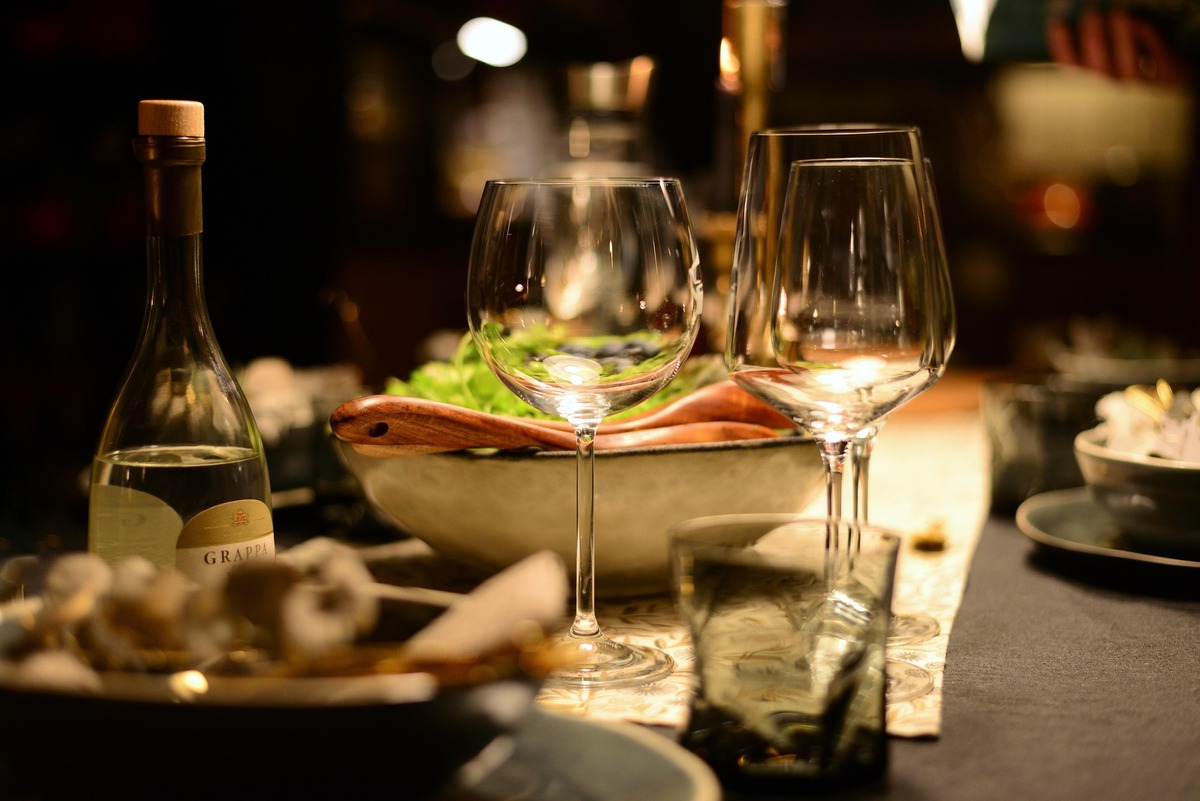
As we move through 2026, these two worlds have finally merged to create a revolutionary culinary category: Metabolic Menus. This is the era of hyper-personalized nutrition, where Michelin-starred techniques meet real-time biological data. For the modern traveler, luxury is no longer just about the rarest ingredients; it is about a meal tailored specifically to their unique DNA, blood glucose levels, and metabolic rhythm.
1. The Core Concept: What is a Metabolic Menu?
A Metabolic Menu is a dining experience where the ingredients, portion sizes, and cooking methods are adjusted in real-time based on the diner’s physiological needs. In 2026, this is powered by "The Trio": Wearable Tech, AI Analysis, and Molecular Gastronomy.
The "Bio-Sync" Arrival
The experience often begins before the diner even enters the restaurant. Many high-end establishments in 2026 allow guests to "sync" their continuous glucose monitors (CGMs) or metabolic trackers with the kitchen’s AI system.
By the time you sit down, the chef knows if you are currently experiencing high oxidative stress, if your glucose levels are trending low, or if your body requires specific amino acids for recovery after a long-haul flight. The result is a meal that tastes like a masterpiece but functions like a precision-engineered supplement.
2. The Science Behind the Art: How It Works
The shift toward metabolic fine dining is grounded in the 2026 understanding that "one size fits all" nutrition is a myth. Every individual processes macronutrients differently based on their gut microbiome and genetic expression.
Glucose-Stabilized Gastronomy
One of the primary goals of a Metabolic Menu is the elimination of the "post-meal crash." Chefs are now using:
Alternative Flour Matrixes: Replacing refined wheat with blends of sprouted legumes and nut flours that provide a slower glycemic response.
Vinegar-Based "Priming": Serving sophisticated, house-fermented botanical tonics before the meal to improve insulin sensitivity.
Sequential Dining: Designing menus where fats and fibers are consumed in a specific order to "buffer" the absorption of sugars from the main course or dessert.
The Role of Nootropics and Adaptogens
Metabolic menus in 2026 also focus on "Cognitive Performance." If a diner is a business traveler with a meeting the next morning, the menu might emphasize Nootropic ingredients—such as Lion’s Mane mushroom or high-purity Omega-3s—while avoiding inflammatory seed oils that can cause "brain fog."
3. The Chef-Scientist: A New Culinary Breed
The kitchen staff of 2026 looks different than it did five years ago. Alongside the Sous Chef and the Sommelier, many top-tier restaurants now employ a Culinary Nutritionist or a Metabolic Consultant.
Precision Cooking 2026
In a metabolic kitchen, the tools are as advanced as the ingredients.
Centrifuges: Used to extract pure nutrients from vegetables without losing volatile enzymes to heat.
Ultrasonic Homogenizers: Creating silky sauces without the need for heavy cream or emulsifiers that might disrupt gut health.
Atmospheric Pressure Cookers: Preserving the maximum antioxidant capacity of delicate greens.
The chef’s challenge is to take these "clinical" requirements and wrap them in the textures and flavors of fine dining. A "metabolic dish" might look like a piece of wild-caught turbot with a vibrant chlorophyll foam, but beneath the surface, every element has been chosen to optimize the diner's specific lipid profile.
4. Personalization at the Table: The 2026 Experience
For a traveler booking through intotravels.com, a Metabolic Menu experience is the ultimate form of "Self-Care Tourism." Here is how a typical dinner might unfold:
The Consultation
Upon arrival, the sommelier might offer a "Biological Aperitif"—perhaps a chilled herbal infusion tailored to your current hydration levels. Using a tablet or an AR (Augmented Reality) interface, you can see how each potential dish on the menu will interact with your unique biomarkers.
The Customized Course
Imagine a "Risotto" where the rice has been replaced with micronized cauliflower and hearts of palm, cooked in a bone broth rich in collagen. For one diner, the AI might suggest extra healthy fats (like cold-pressed avocado oil) to support hormone production. For another, it might suggest a higher concentration of cruciferous bitters to support liver detoxification.
The "Afterburn" Report
The service doesn't end with the bill. In 2026, many restaurants send a digital "Metabolic Impact Report" to the diner’s app the next morning, showing how the meal helped stabilize their sleep quality and recovery markers.
5. Global Hotspots for Metabolic Fine Dining
As this trend matures in 2026, several cities have emerged as the "Metabolic Capitals" of the world:
| City | Key Focus | Notable Innovation |
|---|---|---|
| Zurich, Switzerland | Longevity & Vitality | Integration with high-end medical spas and "Bio-hacking" retreats. |
| Tokyo, Japan | Microbiome Gastronomy | Using 1,000-year-old fermentation secrets to optimize gut health in real-time. |
| Singapore | Tech-Enabled Bespoke Dining | AI-driven kitchens that sync with national health databases (opt-in). |
| Los Angeles, USA | Performance & Aesthetics | Menus designed to optimize skin health and physical energy for "Screen-Ready" diners. |
6. The Ethics and Future of Bio-Data Dining
While the benefits are clear, the rise of Metabolic Menus in 2026 brings up questions about Data Privacy. Elite restaurants must now have the same level of cybersecurity as a hospital.
However, for most luxury travelers, the trade-off is worth it. In an age of information overload, having a world-class chef act as your personal "biological architect" is the height of convenience.
The "Trickle-Down" Effect
While currently a staple of Michelin-starred establishments, we are beginning to see the "Metabolic Standard" trickle down to premium-casual dining. In late 2026, several "Metabolic Cafe" chains are launching, offering data-driven lunches for the everyday worker.
7. Summary: Why It’s the Ultimate Travel Luxury
Travel is inherently stressful on the body. Circadian rhythm disruption, altitude changes, and different water sources all take a toll on our metabolism. The Metabolic Menu is the travel industry's answer to this problem.
By eating at the intersection of personalized nutrition and fine dining, the 2026 traveler no longer has to choose between "experiencing a culture" and "maintaining their health." They can do both, ensuring they return from their journey feeling better than when they left.
At intotravels.com, we believe that the future of travel is not just about where you go, but how you grow. And in 2026, that growth starts at the cellular level.


