
Smart Kitchens 2026: Appliances That Track Your Micro-Nutrient Intake in Real-Time
For decades, the "kitchen of the future" was a concept defined by speed and convenience—think faster microwaves and self-cleaning ovens. However, as we move through 2026, the definition of a smart kitchen has undergone a radical shift. Today, the kitchen is no longer just a place to prepare food; it has become a sophisticated health laboratory.
The most significant breakthrough of this year is the emergence of appliances that track micro-nutrient intake in real-time. We have moved beyond simple calorie counting. Modern kitchens now monitor the precise levels of vitamins, minerals, and antioxidants in every meal, providing homeowners and travelers with a level of biological insight previously reserved for medical professionals. This article explores the technology driving this revolution and how it is changing our relationship with nutrition.
The Evolution from Macro to Micro Tracking
In the early 2020s, health enthusiasts were obsessed with "macros"—the balance of proteins, fats, and carbohydrates. While useful, macro-tracking ignores the "invisible" drivers of health: the micro-nutrients. Deficiencies in Vitamin D, Magnesium, or Zinc can lead to chronic fatigue, weakened immunity, and cognitive decline, yet these levels were historically impossible to track without frequent blood tests.
In 2026, the smart kitchen has solved this problem. Using a combination of spectroscopy, AI-driven computer vision, and integrated biosensors, your kitchen appliances now work together to provide a live dashboard of your nutritional status.
Key Appliances Leading the Nutritional Revolution
The smart kitchen of 2026 is an ecosystem where every device communicates. Here are the core components making real-time micro-nutrient tracking possible:
1. AI-Scanner Refrigerators with Ethylene Sensors
The refrigerator is the command center. In 2026, these units do more than just keep food cold. They use internal hyperspectral cameras to scan produce the moment it is placed inside. These cameras can detect the nutrient density of a vegetable based on its light-reflection patterns. Furthermore, ethylene gas sensors monitor the ripening process, alerting the user when a fruit is at its peak nutritional potency and warning them before vitamins begin to degrade due to over-ripening.
2. Smart Cutting Boards with Molecular Analysis
One of the most impressive tools in the 2026 kitchen is the smart prep station. As you slice ingredients on a smart cutting board, embedded sensors utilize Near-Infrared Spectroscopy (NIRS) to analyze the molecular composition of the food. Within seconds, a display on the board or your augmented reality (AR) glasses shows the exact milligram count of Vitamin C in your bell peppers or the Omega-3 profile of your salmon.
3. Nutrient-Preserving Ovens and Steamers
Traditional cooking methods often "leach" nutrients out of food. The smart ovens of 2026 use AI to determine the optimal temperature and moisture level to preserve specific micro-nutrients. If you are roasting broccoli, the oven adjusts its heat curve to protect the sulforaphane—a powerful antioxidant—ensuring that what you track on the cutting board actually makes it to your plate.
4. The Integrated "Health Sink"
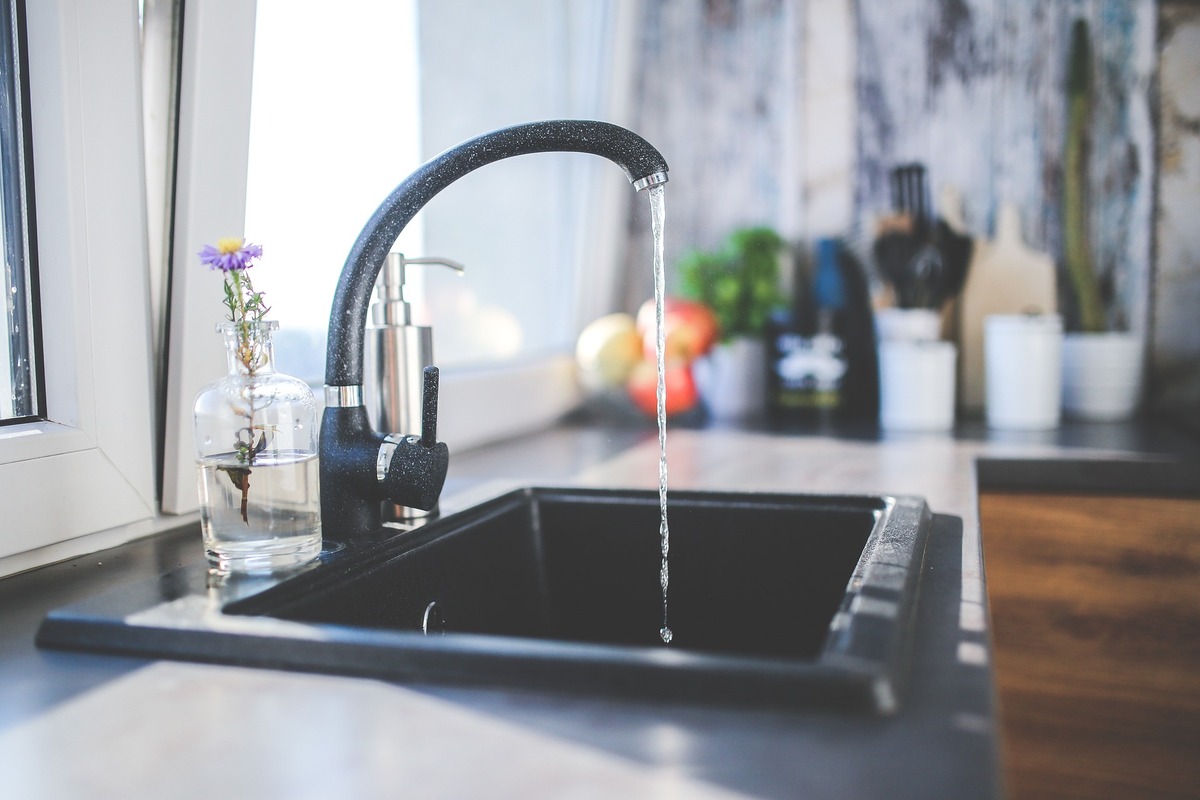
Even the kitchen sink has become a data point. Advanced filtration systems now analyze the mineral content of your tap water, adding precise amounts of electrolytes or minerals back into the stream based on your body’s current needs, which are synced from your wearable health devices.
The Role of AI and the "Digital Twin"
The magic of 2026 technology lies in the integration. Your kitchen appliances don't just collect data; they interpret it through your Digital Twin. This is a virtual model of your biological self that knows your DNA, your recent blood work, and your activity levels.
If your wearable device detects that your iron levels are trending low, your smart kitchen will react. When you open the fridge, the internal display will highlight iron-rich foods like spinach or lean meats. If you ask the smart assistant for a recipe, it will prioritize meals that optimize iron absorption, perhaps suggesting a pairing with Vitamin C-rich citrus to enhance bioavailability.
Transforming the Traveler's Lifestyle
For the community at intotravels.com, the smart kitchen revolution is a game-changer for maintaining health on the road.
Smart Kitchens in Luxury Rentals and Hotels
The "Wellness Suite" of 2026 now includes a compact smart kitchenette. Travelers can sync their nutritional profiles to the hotel’s system upon check-in. This allows the suite to stock the fridge with snacks tailored to the traveler’s specific jet-lag recovery needs or immune-system support.
Portable Nutrient Scanners
For those exploring remote regions, 2026 has seen the rise of portable, pocket-sized nutrient scanners. These devices use the same NIRS technology as smart cutting boards, allowing travelers to scan local market produce or restaurant meals to ensure they are meeting their nutritional goals even when far from their home kitchen.
Precision Wellness: Avoiding the "Over-Supplementation" Trap
One of the greatest benefits of real-time tracking is the reduction of unnecessary supplementation. Many people in the past took handfuls of multivitamins without knowing if they were actually deficient. In 2026, the smart kitchen provides a "Food-First" approach. By seeing that you’ve already hit 100% of your Magnesium goal through your daily meals, the system prevents you from over-supplementing, saving you money and protecting your kidneys and liver from processing excess synthetic nutrients.
Data Privacy in the Heart of the Home
As with all AI-driven technology in 2026, data privacy is a central topic. Leading appliance manufacturers have adopted decentralized data storage and "Edge AI" processing. This means your nutritional data and images of your food are processed locally within your kitchen’s hardware rather than being sent to a corporate cloud. Users have total "Opt-In" control over whether they want to share their data with their doctors or nutritionists.
The Economic and Environmental Impact
While the initial cost of smart appliances was high, by 2026, the market has expanded to include mid-range options. Furthermore, these appliances contribute significantly to reducing food waste. By knowing exactly what nutrients are in the fridge and when they will expire, households are throwing away 40% less food than they did a decade ago.
Environmentally, these systems encourage the consumption of local, seasonal produce. The scanners often show that a local, seasonal apple has significantly higher nutrient density than one that has been shipped across the globe and stored for months, nudging consumers toward more sustainable choices.
Conclusion: The Kitchen as a Sanctuary of Longevity
In 2026, we have moved past the era of "counting calories" and entered the era of "optimizing biology." The smart kitchen is no longer a collection of disconnected gadgets; it is a proactive partner in your health journey.
By tracking micro-nutrient intake in real-time, we are removing the guesswork from wellness. We can finally see the invisible impact of our dietary choices, allowing us to eat for energy, mental clarity, and long-term disease prevention. For the modern explorer, the smart kitchen provides the ultimate foundation of health, ensuring that no matter where the journey leads, the body is fueled by the precision of science and the power of nature.
The kitchen has officially become the most important room in the house for your health, proving that in 2026, the best medicine truly is what's for dinner.
Key Features of the 2026 Smart Kitchen Ecosystem
| Appliance | Core Technology | Nutritional Benefit |
|---|---|---|
| Smart Fridge | Hyperspectral Imaging | Tracks freshness & antioxidant levels |
| Cutting Board | NIRS Spectroscopy | Real-time mg count of vitamins/minerals |
| Precision Oven | AI Heat Mapping | Prevents thermal degradation of nutrients |
| Smart Faucet | Mineral Bio-sensors | Customizes water electrolyte balance |
| Mobile App | Digital Twin Sync | Correlates food intake with blood markers |


