
Sustainable Hydration: The Growing Popularity of Plant-Based Electrolyte Waters
For the modern traveler and wellness enthusiast, the plastic bottle of neon-colored "sports drink" is rapidly becoming a relic of the past. As we move through 2026, a new movement is quenching the world's thirst: Sustainable Hydration. This trend isn't just about reducing plastic waste; it’s about a fundamental shift toward Plant-Based Electrolyte Waters.
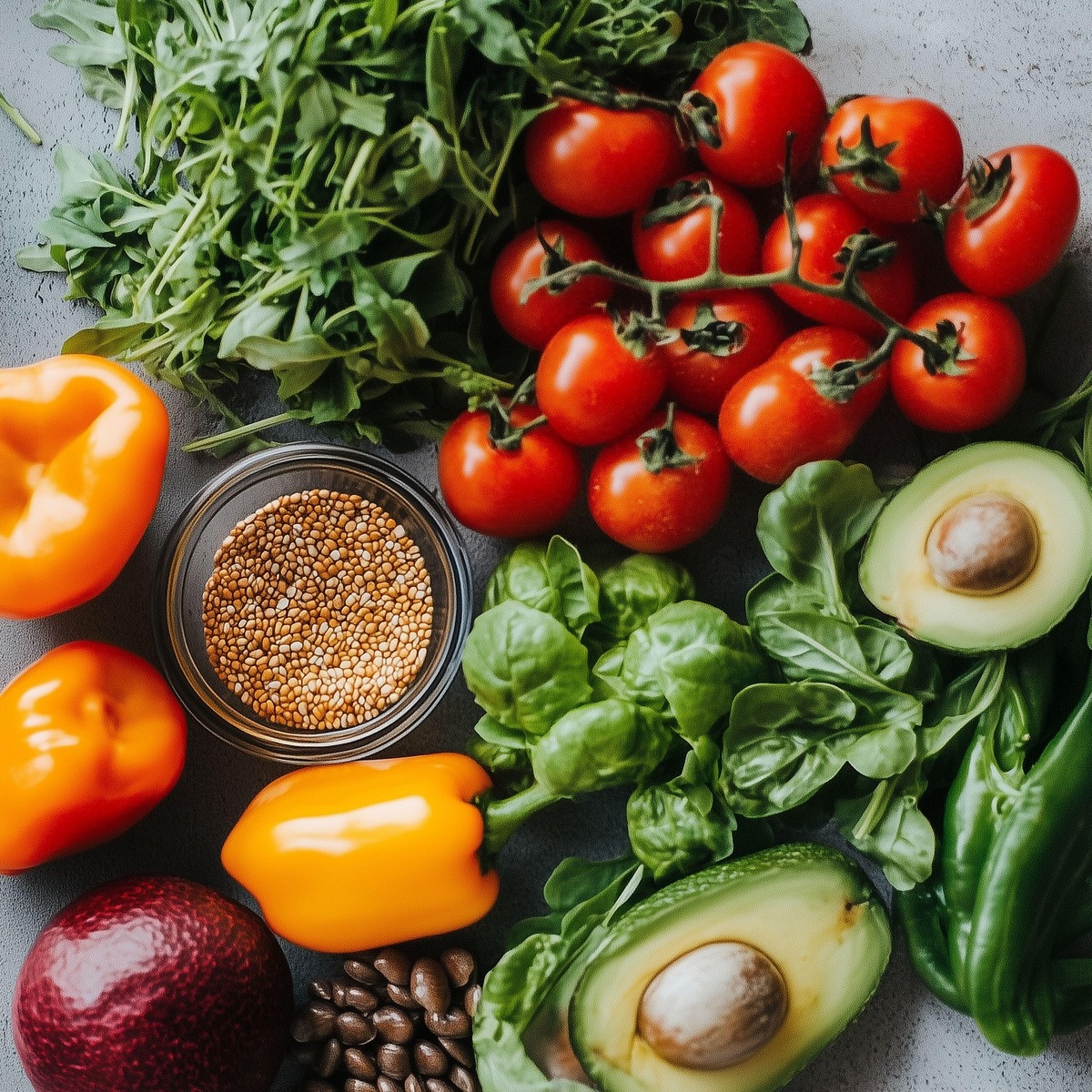
Consumers are no longer satisfied with synthetic dyes, artificial sweeteners, and refined sugars in their recovery drinks. Instead, they are turning to the natural intelligence of plants—coconuts, cacti, maple trees, and watermelons—to replenish their bodies. For the community at intotravels.com, where exploration meets environmental consciousness, plant-based hydration is the new travel essential.
The Problem with Traditional Sports Drinks
To understand the popularity of plant-based alternatives, we must look at what they are replacing. Traditional sports drinks were designed for high-intensity athletes, often containing high concentrations of sodium and simple sugars to provide quick energy. However, for the average traveler or yoga practitioner, these drinks often provide more calories and chemicals than necessary.
In 2026, the "clean label" movement has reached the hydration aisle. People are wary of:
Artificial Colors: Linked to various health concerns and unnecessary for hydration.
High-Fructose Corn Syrup: Which can cause energy crashes and digestive distress during travel.
Environmental Toll: The carbon footprint of transporting heavy, plastic-bottled water across the globe.
What Are Plant-Based Electrolyte Waters?
Unlike synthetic drinks, plant-based electrolyte waters are derived directly from the sap, fruit, or leaves of plants that have naturally filtered and enriched the water with minerals. These plants act as nature’s own "precision distillers," pulling water from the ground and infusing it with a unique profile of electrolytes—specifically potassium, magnesium, calcium, and sodium.
1. Coconut Water: The Pioneer
Coconut water remains the titan of the industry. Naturally rich in potassium, it is often referred to as "Nature’s IV." In 2026, the focus has shifted toward raw, organic, and cold-pressed varieties that preserve the live enzymes and delicate flavor profile of the fruit.
2. Cactus (Prickly Pear) Water
One of the fastest-growing trends this year is cactus water. Derived from the fruit of the prickly pear cactus, this water is naturally pink and loaded with rare antioxidants called betalains. For travelers, cactus water is a "secret weapon" because betalains are known to reduce inflammation and have been scientifically linked to reducing the severity of hangovers and jet lag.
3. Maple Water
Maple water is the pure, clear sap that flows from maple trees in early spring. In its raw form, it is 98% water and 2% nutrients. It contains over 46 different bioactive compounds, including electrolytes, amino acids, and minerals like manganese, which supports bone health and metabolism. It has a subtle, earthy sweetness without the sugar load of maple syrup.
The "Sustainable" in Sustainable Hydration
The popularity of these drinks isn't just about what’s inside the bottle; it’s about the bottle itself and how the ingredients are sourced.
Ethical Sourcing and Regenerative Forestry
In 2026, hydration brands are being held to the standards of Regenerative Agriculture. Maple water brands, for example, are praised for protecting old-growth forests, as the trees must remain healthy and standing to produce sap for decades. Similarly, cactus water utilizes a plant that requires very little water to grow, making it one of the most desert-resilient and sustainable crops on the planet.
Circular Packaging
The "Sustainable Hydration" movement has pushed packaging innovation to its limits. We are seeing:
Biodegradable Tetrapaks: Made from FSC-certified paper and plant-based linings.
Aluminum Cans: Which have a much higher recycling rate than plastic.
Powdered Concentrates: For the travelers at intotravels.com, plant-based electrolyte powders (freeze-dried coconut or cactus juice) are a game-changer. You carry the nutrients in a lightweight sachet and mix them with local filtered water, drastically reducing the carbon footprint associated with shipping liquid.
Hydration and the Traveler: More Than Just Thirst
Traveling, especially by air, is a dehydrating experience. The low humidity in airplane cabins can lead to "trans-epidermal water loss," leaving your skin dry and your brain foggy.
Jet Lag and Recovery
Plant-based electrolyte waters offer more than just hydration; they offer functional recovery. The high potassium content in coconut and maple water helps regulate fluid balance and nerve signals, which can be disrupted during long-haul flights. Cactus water's anti-inflammatory properties help soothe the "puffy" feeling many travelers experience after landing.
The Mind-Body Connection
2026 has seen a rise in "Mindful Hydration." People are treating their water intake as a ritual. Sipping on a chilled, ethically sourced cactus water while watching a sunset in a new city feels more aligned with a "slow travel" ethos than chugging a blue-dyed sports drink in a plastic bottle.
The Science of Absorption: Bioavailability
One reason plant-based waters are winning the mainstream shift is bioavailability. Because the minerals in these waters are already "packaged" by a living organism, the human body often recognizes and absorbs them more efficiently than synthetic mineral salts added to plain water.
The natural sugars found in these waters—like the trace amounts of glucose and fructose in coconut water—actually facilitate the transport of electrolytes across the intestinal wall. This "co-transport" mechanism ensures that you aren't just drinking water, but actually hydrating your cells.
The Future: Personalized Plant Hydration
As we look toward 2027, the next step is the fusion of plant-based waters with AI-driven personalization. Modern wellness apps can now tell you which specific plant water your body needs based on your sweat rate, your local climate, and your recent activity levels.
Did you just finish a humid hike in the jungles of Vietnam? The AI might suggest a sodium-heavy coconut water blend. Spending a dry, cold day exploring the museums of London? It might point you toward a manganese-rich maple water to support your metabolism and energy.
Conclusion: Nature Knows Best
The rise of plant-based electrolyte waters is a testament to the fact that, in 2026, we are returning to natural solutions for modern problems. Sustainable hydration is about respecting our bodies and our planet simultaneously.
For the explorers at intotravels.com, making the switch to plant-based hydration is a small but powerful choice. It supports regenerative farming, reduces plastic waste, and provides a superior, bioavailable source of the minerals we need to stay vibrant while exploring the world.
The next time you reach for a drink to replenish your energy, look to the trees, the cacti, and the vines. Nature has already created the perfect formula—no lab required.
Comparison of Popular Plant-Based Waters (2026 Data)
| Feature | Coconut Water | Cactus Water | Maple Water |
|---|---|---|---|
| Primary Electrolyte | Potassium | Magnesium / Potassium | Manganese / Calcium |
| Key Benefit | Rapid Rehydration | Anti-inflammatory | Metabolic Support |
| Flavor Profile | Nutty & Sweet | Berry-like & Crisp | Light & Earthy |
| Best For | Post-Workout | Jet Lag / Hangover | Daily Wellness |
| Sustainability | High (if fair-trade) | Excellent (Drought-resistant) | Superior (Forest protection) |


