
Digital Nomads and the 'Global Kitchen': How Remote Work is Reshaping Local Food Scenes.
In 2026, the boundary between "traveler" and "resident" has blurred into a new demographic: the permanent digital nomad. This global workforce, armed with high-speed satellite internet and flexible schedules, is no longer just passing through destinations. They are staying for months, sometimes years, creating a phenomenon known as the "Global Kitchen."
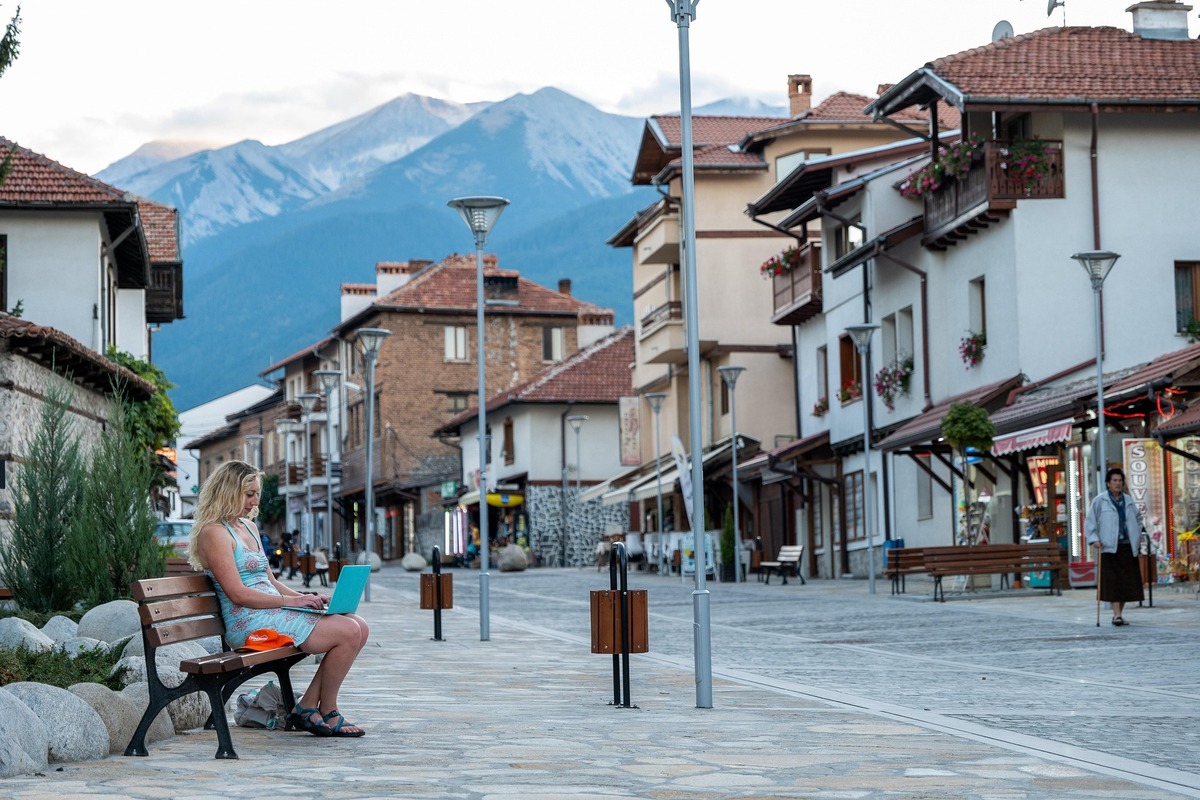
For a travel platform like IntoTravels, understanding this shift is crucial. The influx of remote workers into traditional hubs is doing more than just driving up apartment rents; it is fundamentally rewriting the DNA of local food scenes from Lisbon to Luang Prabang.
1. The Rise of the "Co-Dining" Space
In the early 2020s, digital nomads looked for cafes with good Wi-Fi. In 2026, they are looking for gastronomic hubs. The "Global Kitchen" trend has given rise to the Co-Dining Space—a hybrid of a high-end food hall, a community kitchen, and a workspace.
The Shift from Coffee to Culinary Productivity
Nomads are moving away from the "latte-and-laptop" cliché. They now demand nutritious, "brain-power" meals that can be eaten while working. This has forced local eateries to redesign their menus. In 2026, we see:
Ergonomic Dining: Tables designed at desk height with integrated charging ports.
Timed Menus: "Flow State" lunch specials that are served in small, non-distracting portions over a two-hour period.
Subscription Meal Plans: Local restaurants offering weekly "nomad tiers" for remote workers who want consistent, healthy local food without the hassle of daily ordering.
2. The "Fusion of Necessity": Culinary Gentrification or Evolution?
When thousands of remote workers from New York, Berlin, and Seoul descend on a coastal town in Mexico or Vietnam, the local food scene undergoes a "Fusion of Necessity."
Adapting Local Flavors to International Palates
Local chefs are increasingly adapting their traditional recipes to meet the dietary preferences of the global nomad—specifically trends like plant-based, gluten-free, and keto. While some critics argue this dilutes local culture, others see it as a vibrant evolution.
For example, in 2026, the "Nomad-Style Pho" in Hanoi might feature organic zoodles (zucchini noodles) or sprouted bean sprouts, catering to the wellness-obsessed remote worker while maintaining the traditional bone broth soul of the dish. This "Global Kitchen" effect creates a new category of cuisine that belongs to no single country but is a product of the digital age.
3. The Return of the "Community Table"
Remote work can be a lonely endeavor. In 2026, the "Global Kitchen" serves a vital social function: combatting nomad isolation. ### Supper Clubs and "Work-from-Kitchen" Events
We are seeing a massive surge in Nomad Supper Clubs. These are organized dinners where remote workers pay a flat fee to eat a traditional meal at a local’s home or a communal restaurant table. The focus is on "unplugged" networking.
Local food scenes are responding by moving away from intimate tables for two and toward long, communal benches. In cities like Medellin and Canggu, the most successful restaurants in 2026 are those that facilitate "accidental networking" through shared platters and family-style service.
4. Impact on Local Supply Chains and Agriculture
The "Global Kitchen" doesn't just change what’s on the plate; it changes how the food gets there. Digital nomads often bring with them a high demand for transparency and sustainability.
The "App-to-Farm" Movement
Nomads are tech-savvy. In 2026, they are using local apps to track the "carbon footprint" of their lunch. This has forced local suppliers to digitize. Small-scale farmers in rural Thailand or Portugal are now using blockchain-verified platforms to sell directly to the "nomad cafes" in the city, ensuring they get a fairer price while meeting the nomad’s demand for "ethical eating."
5. Case Studies: The 2026 Global Kitchen Hubs
If you are a remote worker in 2026, these three destinations offer the most evolved "Global Kitchen" experiences:
| City | The Nomad Food Identity | Key Culinary Feature |
|---|---|---|
| Lisbon, Portugal | The Atlantic Fusion | Tinned fish "charcuterie" boards optimized for sharing during Zoom breaks. |
| Chiang Mai, Thailand | The Wellness Orchard | Farm-to-desk smoothies infused with local adaptogens like Kratom or Galangal. |
| Mexico City, Mexico | The Modern Cantina | High-speed Wi-Fi in traditional markets (Mercados) with dedicated "quiet zones" for calls. |
6. The Challenges: The "Avocado Toast" Conflict
The rise of the Global Kitchen is not without friction. As local food scenes adapt to higher-paying remote workers, the prices of staples often rise, pricing out the local population.
In 2026, "Culinary Displacement" is a hot topic. Successful nomad hubs are those that implement "Dual-Pricing" or "Social Plates." Some restaurants in 2026 offer a "Local’s Discount" or use the profits from high-priced nomad lattes to fund community meal programs. For the conscious digital nomad, supporting businesses that address this balance is a key part of their travel ethos.
7. The Future: AI-Integrated Dining for Nomads
Looking toward the end of 2026, the next step for the Global Kitchen is AI Integration.
Imagine an app that syncs your Google Calendar with local restaurant menus. If you have a high-stress meeting at 2:00 PM, the "Global Kitchen" AI suggests a nearby cafe serving magnesium-rich pumpkin seeds and calming herbal teas for lunch. This level of "Bio-Productivity" is the ultimate goal for the elite digital nomad.
Summary: A World That Eats Together
The "Global Kitchen" is more than a food trend; it is a manifestation of our newly connected world. As remote work becomes the standard for millions, the way we eat while traveling has shifted from "tasting the culture" to "integrating with the culture."
For the local food scene, the presence of digital nomads provides a constant stream of revenue and a push toward innovation. For the nomad, the local kitchen provides a sense of home and a gateway to the community. In 2026, the table is set for everyone—as long as there is a strong Wi-Fi signal.
Planning Your Next Remote Work Stint?
The food scene should be as much a part of your "office" choice as the internet speed. Whether you’re looking for a quiet corner in a Porto bakery or a vibrant communal table in a Seoul market, the world is your kitchen.


