
How to Eat Like a Local: Travel Food Etiquette Guide
One of the best ways to truly experience a destination is through its food. But tasting local dishes is only part of the journey. Understanding dining etiquette and cultural food customs helps you connect respectfully with locals and avoid awkward mistakes.
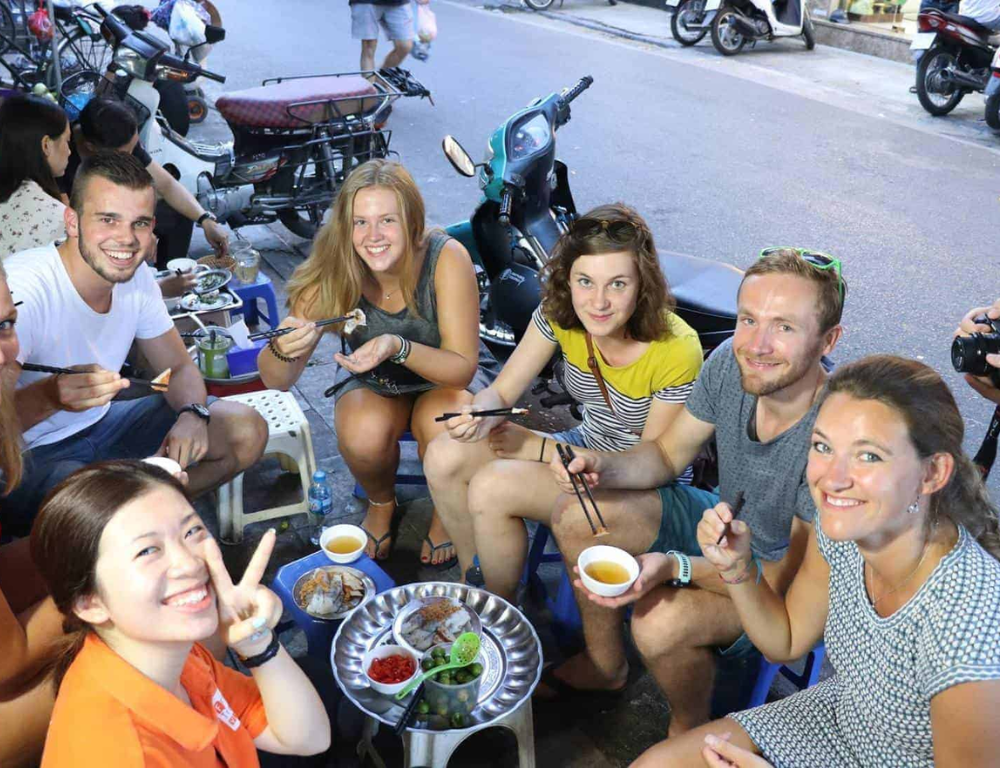
If you want to eat like a local on your next trip, this travel food etiquette guide will help you navigate global dining traditions with confidence.
Why Food Etiquette Matters When Traveling
Food customs reflect a country’s values, history, and social norms. What is polite in one place may be considered rude in another. Learning basic etiquette shows respect for the culture and enhances your overall travel experience.
Travelers who understand dining customs often receive warmer hospitality and enjoy more authentic interactions.
Learn Basic Table Manners Before You Go
Before visiting a new country, research its common dining rules. Focus on:
How to greet hosts
Whether tipping is expected
Proper utensil use
Dining posture
Common gestures to avoid
A little preparation can prevent uncomfortable situations.
Chopsticks Etiquette in Asia
In many Asian countries, chopsticks are the primary eating utensils. However, there are specific customs to follow:
Do not stick chopsticks upright in rice (this resembles funeral rituals).
Avoid pointing at people with chopsticks.
Do not pass food directly from chopsticks to chopsticks.
Instead, place food on shared plates or use serving utensils when available.
Eating with Your Hands
In parts of South Asia, the Middle East, and Africa, eating with your hands is traditional and respectful. However, there are guidelines:
Use your right hand only.
Wash hands before and after the meal.
Use bread or fingers to scoop food neatly.
Observing how locals eat can guide your behavior.
European Dining Etiquette
In many European countries:
Keep both hands visible above the table (not in your lap).
Hold utensils throughout the meal rather than switching hands.
Finish everything on your plate unless instructed otherwise.
Meals are often slower and more social, so avoid rushing.
Tipping Culture Around the World
Tipping practices vary widely:
In the United States, tipping is expected and often 15–20%.
In Japan, tipping can be considered rude.
In some European countries, service charges may already be included.
Research local expectations to avoid confusion or embarrassment.
Respect Religious and Cultural Food Practices
Many cultures have dietary traditions influenced by religion or customs. For example:
Some countries avoid pork or beef.
Fasting periods may affect meal schedules.
Alcohol may not be widely consumed.
Being mindful of these practices shows cultural sensitivity.
Accepting Food and Hospitality
In many cultures, refusing food can be seen as impolite. If offered food:
Accept at least a small portion.
Express gratitude.
Compliment the host or cook sincerely.
If you have dietary restrictions, explain them politely in advance.
Dining in Local Homes
When invited to someone’s home:
Bring a small gift (such as sweets or fruit).
Wait to be shown where to sit.
Follow the host’s lead for when to start eating.
Showing appreciation is key to positive cultural exchange.
Observe Before Acting
If unsure about proper etiquette:
Watch how locals behave.
Follow the host’s example.
Ask politely if needed.
Curiosity and humility go a long way in building meaningful travel experiences.
Final Thoughts
Eating like a local is about more than just trying traditional dishes — it’s about respecting customs, embracing cultural differences, and engaging thoughtfully with the people you meet. Food brings communities together, and understanding etiquette helps you become part of that experience.
On your next adventure, don’t just taste the culture — honor it. Your dining experiences will become richer, more authentic, and far more memorable. 🌍🍽️


