
Lab-Grown Gastronomy: Why Cultivated Meat Finally Hit the Mainstream Menu This Year.
In 2026, the global food industry has reached a watershed moment. For years, the concept of "lab-grown" or cultivated meat was relegated to science fiction or high-budget laboratory experiments. However, this year, a confluence of regulatory breakthroughs, technological scaling, and a shift in consumer consciousness has propelled cultivated meat from a curiosity into the mainstream.
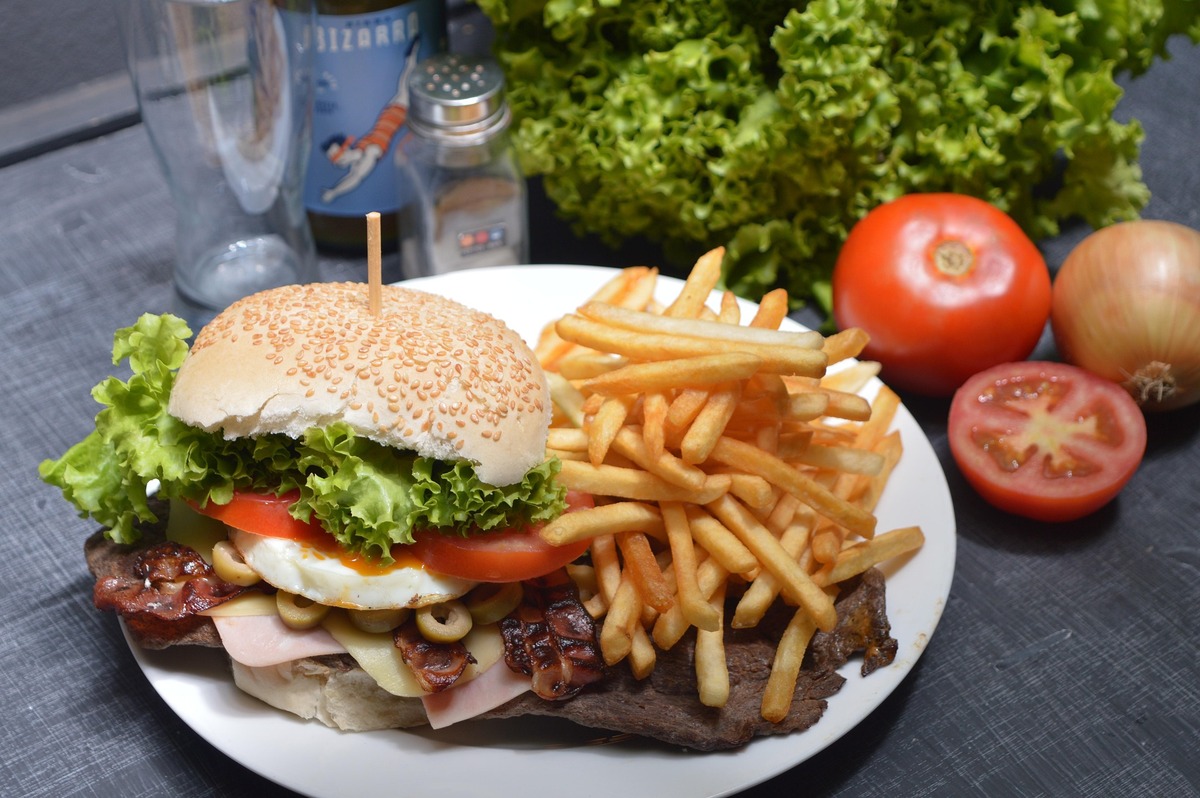
For travelers and food enthusiasts, the question is no longer "Will we eat it?" but rather "Where can we try it next?" From high-end bistros in Singapore to experimental kitchens in San Francisco, Lab-Grown Gastronomy is the defining culinary trend of 2026.
The Breakthrough Year: Why Now?
The transition of cultivated meat into the mainstream in 2026 is not an overnight success but the result of a decade of intensive "cellular agriculture." Several key factors have converged to make this the year of the cultivated steak:
1. The "Scale-Up" Revolution
Until recently, the biggest hurdle was the cost of production. In 2013, the first lab-grown burger cost over $300,000 to produce. By 2026, the industry has achieved "Scale-Up," with massive bioreactor facilities in countries like the US, Israel, and Singapore bringing production costs down significantly. While still a premium product, it is now comparable in price to high-end organic or wagyu beef.
2. Regulatory Green Lights
2026 has seen a domino effect of government approvals. Following Singapore’s lead, the United States, Australia, and parts of the European Union have established clear safety frameworks. These "Green Lights" have allowed major food distributors to finally integrate cultivated proteins into their supply chains without legal ambiguity.
3. Ethical and Environmental Urgency
With global temperatures hitting record highs and the traditional livestock industry’s heavy footprint under fire, Gen Z and Millennial diners are demanding alternatives. Cultivated meat offers the "unapologetic" experience of real animal protein—the same amino acids, fats, and textures—without the ethical weight of slaughter or the environmental cost of methane and land use.
The Sensory Experience: Is It Actually "Meat"?
One of the most persistent myths is that lab-grown meat is a "substitute" like tofu or seitan. In 2026, chefs are proving that cultivated meat is molecularly identical to traditional meat.
Texture and "The Bite"
Early versions were mostly minced (burgers and nuggets). However, 2026 has seen the mastery of 3D Bioprinting and Scaffolding. By using edible plant-based structures, scientists can now "grow" muscle fibers and fat tissues together, replicating the complex marbling of a ribeye or the delicate flake of a salmon fillet.
The Flavor Gap
The secret to the 2026 success story is the inclusion of Cultivated Fat. Researchers discovered that the "meatiness" we crave comes primarily from the fat. By cultivating specialized fat cells alongside muscle, the 2026 generation of lab-grown meat achieves that essential "sizzle" and "umami" that plant-based alternatives often lack.
Global Hotspots: Where to Dine on the Future
As you plan your 2026 travels with IntoTravels, these are the cities leading the "Cultivated Cuisine" movement:
Singapore: The Global Hub
Singapore remains the world leader. In 2026, you can find cultivated chicken and pork not just in fine dining, but in specialized "Future Food" stalls at select hawker centers.
Must-try: The "Cultivated Satay"—a traditional street food favorite reimagined with cell-based pork.
San Francisco & New York: The Innovation Coast
In the US, celebrity chefs have embraced the "Bio-Bistro" concept. 2026 marks the year that several Michelin-starred restaurants have permanently replaced their conventional veal and foie gras with "cruelty-free" cultivated versions.
The Trend: "Hybrid Plates"—dishes that mix cultivated meat with ancient grains or wild-foraged mushrooms for a "Neo-Heritage" experience.
Sydney: The Sustainable Frontier
Australia has surged ahead in 2026, focusing on "Exotic Cultivated Proteins." Because the technology allows for the cultivation of any animal cell, Sydney chefs are experimenting with cultivated kangaroo and quail, offering flavors that are sustainable and legally protected.
2026 Market Analysis: A Snapshot
| Feature | Conventional Meat | Plant-Based Meat | Cultivated Meat (2026) |
|---|---|---|---|
| Environmental Impact | High | Low | Low-Medium (Improving) |
| Animal Welfare | Low | High | High (No Slaughter) |
| Taste Parity | 100% | 70-85% | 98-100% |
| Market Status | Staple | Mainstream | Emerging Mainstream |
The "Hybrid" Bridge: The Secret to Popularity
Interestingly, much of the "lab-grown" meat consumed in 2026 is actually Hybrid. To manage costs and enhance nutrition, many brands have introduced products that are 50% cultivated animal cells and 50% high-quality plant proteins (like pea or mycelium).
This hybrid approach has served as a "bridge" for skeptical consumers. It provides the authentic smell and flavor of meat while appealing to health-conscious diners looking for higher fiber and lower cholesterol.
The Future of Food Tourism
For the modern traveler, food is more than just sustenance; it is a way to engage with the values of a destination. In 2026, visiting a "Cellular Farm" or a "Bioreactor Kitchen" has become as popular as visiting a vineyard or an organic farm.
Tourists are now booking "Bio-Gastronomy Tours" in cities like Tel Aviv and Singapore, where they can see the technology behind their meal and participate in tastings of "The Meat of 2030." This transparency is building the trust necessary for the industry to grow beyond 2026.
Conclusion: A New Chapter in Gastronomy
The arrival of lab-grown meat on mainstream menus in 2026 represents more than just a technological achievement; it represents a shift in our relationship with the planet. We are entering an era where we can enjoy the traditions of a steak dinner or a festive roast without the environmental "bill" that comes with it.
As we look toward the rest of 2026 and beyond, the "Lab-Grown" label is shedding its sterile image and becoming a badge of culinary sophistication and ethical responsibility. On your next journey, will you be brave enough to order the future?


