
Top Wine Regions and Their Cultural Tasting Traditions
Wine is more than a drink — it is history, geography, craftsmanship, and culture poured into a glass. Across the world, famous wine regions have developed not only exceptional vintages but also distinctive tasting traditions shaped by local customs and generations of expertise.
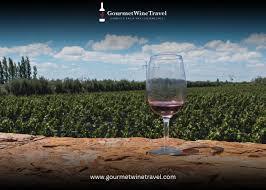
For travelers who appreciate culture through flavor, visiting renowned wine regions offers an immersive experience that goes far beyond the vineyard.
Bordeaux, France
Bordeaux is one of the most prestigious wine regions in the world. Known for its elegant red blends, the region emphasizes structure, aging potential, and refined tasting rituals.
Cultural Tasting Tradition
Wine tastings in Bordeaux are typically formal and educational. Visitors learn about terroir — the unique combination of soil, climate, and landscape that shapes each wine’s character. Tastings often follow a structured sequence, focusing on aroma, color, and finish.
Pairing wine with cheese, duck, or local breads enhances the experience, reflecting the region’s culinary heritage.
Tuscany, Italy
Tuscany’s rolling hills and historic vineyards make it one of Europe’s most romantic wine destinations. The region is famous for Sangiovese-based wines and rustic countryside estates.
Cultural Tasting Tradition
In Tuscany, wine tasting feels warm and communal. Visitors often enjoy guided tours followed by relaxed outdoor tastings with olive oil, fresh bread, and regional dishes. Conversations flow easily, and wine is seen as part of everyday life rather than a luxury.
Family-owned vineyards frequently share stories passed down through generations.
Napa Valley, United States
Napa Valley is synonymous with modern winemaking innovation. Known for bold Cabernet Sauvignon and luxury tasting rooms, the region blends tradition with contemporary style.
Cultural Tasting Tradition
Tastings in Napa are polished and curated. Guests often book appointments in advance and enjoy personalized sessions led by knowledgeable hosts. Wine flights are carefully presented, and visitors are encouraged to explore flavor notes and vineyard techniques.
Food pairings, scenic terraces, and vineyard tours create a complete sensory experience.
Rioja, Spain
Rioja is Spain’s most celebrated wine region, known for oak-aged reds with smooth, balanced flavors.
Cultural Tasting Tradition
In Rioja, wine tasting is closely connected to food and community. Many wineries offer tours of historic cellars followed by tastings accompanied by tapas. The experience feels authentic and rooted in local identity.
Wine is rarely rushed — it is meant to be enjoyed slowly and socially.
Mendoza, Argentina
Nestled at the foothills of the Andes, Mendoza is famous for its bold Malbec wines and dramatic mountain scenery.
Cultural Tasting Tradition
Wine tasting in Mendoza often combines outdoor adventure with relaxed hospitality. Visitors may cycle between vineyards or enjoy tastings with panoramic views of the Andes. Grilled meats, especially Argentine asado, are common pairings.
The atmosphere is welcoming and informal, emphasizing enjoyment and connection.
Douro Valley, Portugal
The Douro Valley is one of the oldest demarcated wine regions in the world and home to Port wine.
Cultural Tasting Tradition
Tastings in the Douro Valley often include both table wines and fortified Port. Many estates overlook terraced vineyards along the river, creating stunning backdrops. The tasting experience highlights tradition, craftsmanship, and regional pride.
Visitors learn about centuries-old production methods that continue to define the area.
Marlborough, New Zealand
Marlborough is globally recognized for its vibrant Sauvignon Blanc and fresh, aromatic wines.
Cultural Tasting Tradition
Wine tasting here reflects New Zealand’s laid-back lifestyle. Many wineries offer casual yet informative sessions, often outdoors. Sustainability and environmental responsibility are central themes in vineyard tours.
The focus is on purity, freshness, and connection to nature.
What Makes Wine Tasting Cultural?
Wine tasting traditions differ around the world, but they often share common elements:
Storytelling about heritage and terroir
Emphasis on food pairings
Respect for craftsmanship
Community and social connection
Celebration of regional identity
Each region expresses its culture uniquely through how wine is produced, served, and enjoyed.
Tips for Visiting Wine Regions
To make the most of your experience:
Book tastings in advance when required
Pace yourself and stay hydrated
Ask questions about local traditions
Explore regional cuisine alongside wine
Respect vineyard rules and etiquette
Engaging with hosts and learning about production methods deepens appreciation.
Final Thoughts
Wine regions offer more than beautiful landscapes and exceptional bottles — they provide insight into history, tradition, and local pride. From the structured elegance of Bordeaux to the relaxed charm of Mendoza, each destination tells a story through its tasting rituals.
For cultural travelers, exploring wine regions is a journey of flavor, heritage, and unforgettable moments shared around a table. Raise a glass and let the world’s vineyards guide your next adventure. 🍷🌍


